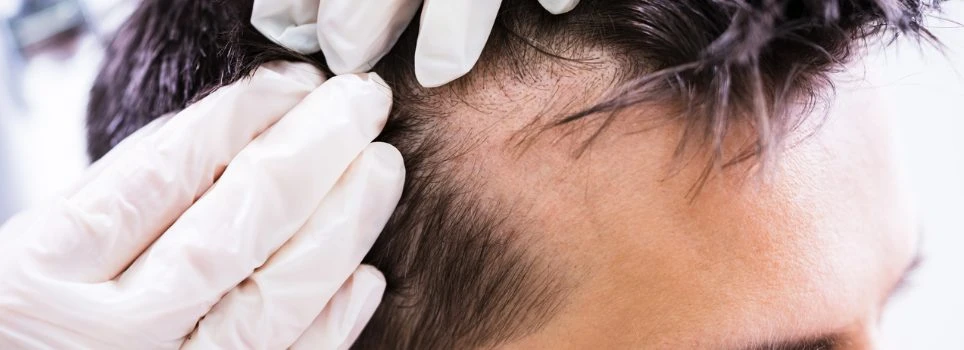
Hair loss is a common concern that affects millions of people worldwide, and Islamabad is no exception. From genetic predispositions to lifestyle factors, hair thinning and balding can have a profound impact on self-esteem and overall well-being. In recent years, hair transplant procedures have emerged as a popular solution for those seeking to restore their hair naturally and effectively. However, selecting the right hair transplant clinic Islamabad requires careful consideration of several factors, including expertise, technology, patient care, and long-term results. This article explores the key aspects of hair transplant clinics in Islamabad, helping you make an informed decision for your hair restoration journey.
Understanding Hair Transplant Procedures
Hair transplant procedures are surgical methods designed to move hair follicles from a donor area, usually the back or sides of the scalp, to areas experiencing thinning or baldness. The two most widely practiced techniques are Follicular Unit Extraction (FUE) and Follicular Unit Transplantation (FUT). FUE involves extracting individual hair follicles and implanting them into the thinning areas, leaving minimal scarring and ensuring a faster recovery. FUT, on the other hand, involves removing a strip of scalp from the donor area, dissecting it into individual grafts, and transplanting them. Both techniques aim to provide natural-looking results, but the choice of procedure depends on factors such as the extent of hair loss, hair characteristics, and personal preference.
In Islamabad, many clinics specialize in both FUE and FUT procedures, offering patients options tailored to their specific needs. High-quality clinics often provide personalized consultations, during which a specialist assesses hair density, scalp condition, and donor area availability to recommend the most suitable approach. Understanding the procedural differences and expected outcomes is essential for anyone considering a hair transplant, as this knowledge ensures realistic expectations and satisfaction with the results.
Choosing the Right Hair Transplant Clinic in Islamabad
Selecting the right hair transplant clinic is a critical step that can significantly influence the success of the procedure. One of the first considerations should be the qualifications and experience of the surgeons. Highly skilled surgeons with extensive experience in performing hair transplants are more likely to deliver natural-looking results and minimize potential complications. Prospective patients should research the clinic's reputation, check reviews, and look for before-and-after photos of previous patients to gauge the quality of work.
Technology and equipment are equally important. Clinics that utilize advanced tools and techniques, such as robotic-assisted FUE or high-definition microscopes for graft preparation, often provide better outcomes. Modern technology enhances precision, reduces the risk of damage to hair follicles, and promotes faster healing. Additionally, hygiene and safety standards are crucial. Reputable clinics maintain sterile environments, follow strict medical protocols, and prioritize patient safety throughout the procedure.
Another essential aspect is the clinic’s approach to patient care. A good hair transplant clinic in Islamabad should provide comprehensive consultations, transparent pricing, and follow-up care. Patient comfort, effective communication, and post-procedure guidance are critical for achieving optimal results and a positive experience.
Pre-Procedure Considerations
Before undergoing a hair transplant, patients should undergo a thorough assessment to determine their suitability for the procedure. A detailed consultation includes evaluating the extent of hair loss, scalp elasticity, hair quality, and overall health. Certain medical conditions, medications, and lifestyle habits may affect the success of a hair transplant, making it important for the clinic to assess these factors carefully.
Preparing for the procedure may involve lifestyle adjustments, such as avoiding smoking and alcohol consumption, which can affect healing. Patients are also advised to follow specific instructions regarding hair washing, medication, and diet before the surgery. Understanding the pre-procedure requirements ensures smoother operations and better outcomes.
The Hair Transplant Procedure
On the day of the procedure, patients can expect a meticulous and carefully managed process. Local anesthesia is administered to the donor and recipient areas to ensure comfort during the surgery. In FUE procedures, individual follicles are extracted using specialized instruments, while FUT involves removing a strip of scalp for graft preparation. The harvested follicles are then carefully implanted into the recipient area, following the natural growth pattern of hair.
The duration of the procedure varies depending on the number of grafts required and the complexity of the transplant. While some sessions may take a few hours, extensive procedures might span an entire day. Skilled surgeons ensure that the placement of hair follicles looks natural and consistent with the patient’s facial features.
Post-Procedure Care and Recovery
Recovery following a hair transplant is a crucial phase that influences the final outcome. Patients may experience mild discomfort, swelling, or redness in the treated areas, which typically subsides within a few days. Proper post-operative care, including keeping the scalp clean, avoiding strenuous activities, and following the prescribed medications, is essential for successful healing.
Hair transplant clinics in Islamabad often provide detailed aftercare instructions, including how to wash the hair, manage any discomfort, and monitor for potential complications. Follow-up appointments allow the surgeon to assess healing, address concerns, and ensure the transplanted hair is growing as expected. While initial growth may be visible within a few months, full results are generally apparent after 9 to 12 months. Patience and adherence to post-procedure guidelines play a vital role in achieving the desired appearance.
Benefits of Hair Transplants
Hair transplant procedures offer several advantages beyond merely restoring hair. They provide a permanent solution to hair loss, unlike temporary treatments such as wigs or topical solutions. The results are natural, as transplanted follicles grow like normal hair and can be styled freely. In addition to improving appearance, hair transplants boost self-confidence, enhancing personal and professional interactions.
Psychological benefits are also significant. Hair loss can cause emotional distress, affecting self-esteem and social interactions. Restoring hair can help individuals regain a sense of normalcy and improve overall well-being. The combination of aesthetic and psychological benefits makes hair transplant procedures a popular choice among both men and women in Islamabad.
Common Concerns and Misconceptions
Despite its popularity, hair transplantation is often surrounded by misconceptions. Some people fear that the procedure is painful or leaves noticeable scars. While minor discomfort may occur, local anesthesia and modern techniques make the surgery relatively painless. FUE, in particular, leaves minimal scarring, which is usually not visible once the hair grows back.
Another concern is the longevity of results. When performed correctly by an experienced surgeon, hair transplants are permanent. However, patients may experience natural hair thinning in untreated areas, making periodic consultations and additional procedures necessary for long-term maintenance. Understanding these factors helps patients set realistic expectations and ensures satisfaction with the results.
Cost Considerations
The cost of hair transplant procedures in Islamabad varies depending on factors such as the technique used, the number of grafts required, and the reputation of the clinic. Clinics may offer packages that include consultation, surgery, medications, and follow-up care. While affordability is important, it should not compromise quality. Investing in a reputable clinic with experienced surgeons and advanced technology ensures better outcomes and reduces the risk of complications. Transparent pricing and detailed breakdowns of costs help patients plan financially for their hair restoration journey.
Choosing Between Clinics
When selecting a hair transplant clinic in Islamabad, it is advisable to schedule consultations with multiple clinics. Comparing the expertise of surgeons, technologies available, patient testimonials, and overall approach to care allows individuals to make an informed decision. Clinics that offer personalized treatment plans, clear communication, and comprehensive aftercare are often the best choices for successful results.
Word-of-mouth recommendations and online reviews can also provide valuable insights. Patients should seek clinics with proven track records, consistent results, and a professional, supportive environment. By taking the time to research and evaluate options, individuals increase their chances of achieving natural and satisfying outcomes.
Conclusion
Hair loss can significantly impact confidence and quality of life, but advances in medical technology have made hair restoration more accessible and effective than ever. Hair transplant clinics in Islamabad provide comprehensive solutions, combining modern techniques, experienced surgeons, and dedicated patient care to deliver lasting results.
Choosing the right clinic involves careful consideration of expertise, technology, hygiene standards, and patient support. Understanding the procedure, pre- and post-operative care, and realistic expectations ensures a successful hair transplant journey. For those struggling with hair loss, a professional clinic in Islamabad offers the opportunity not only to restore hair but also to regain confidence, self-esteem, and a renewed sense of identity.
Investing time and effort into selecting the right hair transplant clinic can transform the experience from stressful to empowering, leaving individuals with natural-looking results that last a lifetime. Hair restoration is not just a cosmetic procedure; it is a pathway to improved well-being and renewed self-assurance.