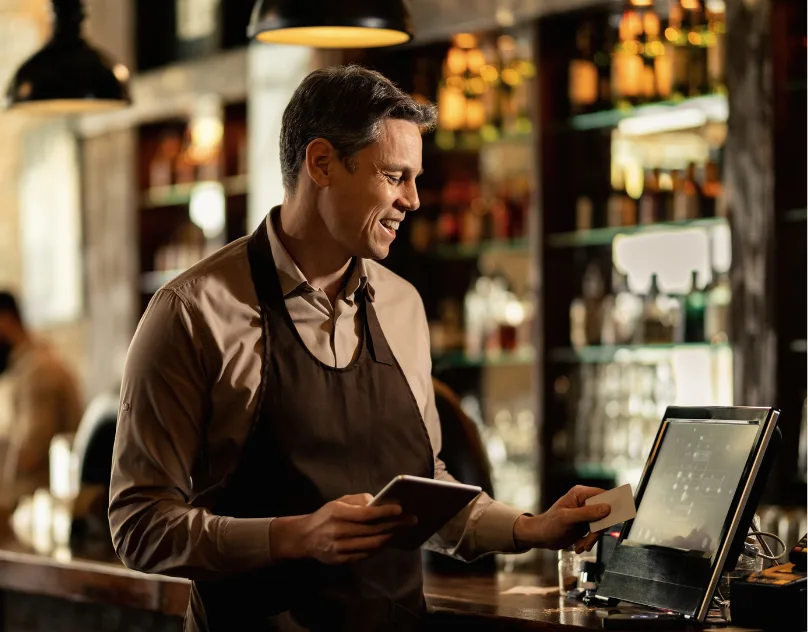
A restaurant queue management system is becoming an essential tool for modern restaurants that want to improve customer satisfaction, reduce wait times, and streamline operations. In today’s competitive dining industry, guests expect fast service, accurate wait estimates, and a smooth dining experience. A smart queue management restaurant solution helps restaurants organize customer flow efficiently while enhancing both staff productivity and customer loyalty.
What Is a Restaurant Queue Management System?
A restaurant queue management system is software designed to manage customer queues digitally instead of relying on manual waiting lists. It tracks guest arrivals, wait times, table availability, and customer notifications in real time.
Unlike traditional paper-based systems, a digital queue management restaurant solution provides:
- Real-time queue tracking
- Automated customer notifications
- Table management integration
- Wait time predictions
- Analytics and reporting
- Mobile and self-service options
These features help restaurants serve customers faster while maintaining organized operations during busy hours.
Why Restaurants Need Queue Management
Long waiting times are one of the biggest reasons customers leave restaurants before being seated. A well-designed restaurant queue management system addresses this problem by improving transparency and communication.
Key Benefits of Queue Management for Restaurants
1. Reduced Wait Times
A digital restaurant queue management system optimizes table turnover and seating arrangements. Staff can quickly identify available tables and seat customers more efficiently, reducing overall wait times.
2. Better Customer Experience
Customers appreciate accurate wait estimates and timely updates. Automated SMS or app notifications allow guests to relax instead of standing in crowded waiting areas.
3. Improved Operational Efficiency
Manual waiting lists can lead to confusion and errors. A queue management restaurant system automates the process, reducing staff workload and minimizing mistakes in seating order.
4. Increased Revenue
Faster table turnover means more customers served during peak hours. Restaurants can maximize seating capacity without compromising service quality.
5. Valuable Business Insights
Modern restaurant queue management software provides analytics on wait times, peak hours, table utilization, and customer behavior. These insights help managers make data-driven decisions to improve performance.
How a Restaurant Queue Management System Works
A typical restaurant queue management system follows a simple process:
- Customer Check-In
Guests join the queue through a host desk, kiosk, mobile app, or QR code. The system records party size and estimated wait time.
- Queue Monitoring
Staff view the live queue dashboard. The system tracks table status and updates wait times automatically.
- Customer Notifications
Guests receive SMS or app alerts when their table is ready.This reduces crowding in the waiting area.
- Table Assignment
The system matches available tables with waiting parties based on size and preferences.
- Staff can manage seating more efficiently.
Reporting and Analytics: Managers access reports on wait times, queue length, customer flow, and operational performance.
Essential Features to Look For
When choosing a restaurant queue management system, restaurants should look for features that support both customer convenience and operational efficiency.
Real-Time Queue Tracking
The system should provide a live view of all waiting customers and table status.
Automated Notifications
SMS, email, or app alerts keep customers informed about their wait status.
Table Management Integration
Integration with table management and reservation systems ensures smooth seating operations.
Self-Service Check-In
Kiosks, mobile apps, or QR code check-ins reduce host workload and speed up the process.
Accurate Wait Time Estimation
AI-powered predictions help set realistic expectations for guests.
Analytics and Reporting
Detailed reports help managers identify bottlenecks and optimize staffing and seating strategies.
Mobile Accessibility
Staff should be able to manage queues from tablets or smartphones for greater flexibility.
Types of Restaurants That Benefit Most
A queue management restaurant solution is valuable for many types of dining establishments:
- Casual dining restaurants handling high customer volumes
- Fine dining restaurants managing reservations and walk-ins
- Fast-casual chains needing quick customer flow
- Food courts and cafeterias with peak-hour congestion
- Cafés and coffee shops aiming to reduce waiting lines
- Buffet restaurants requiring organized guest management
How Queue Management Improves Customer Satisfaction
Customer satisfaction is directly linked to waiting experience. A restaurant queue management system improves satisfaction in several ways:
- Transparency: Guests know their position in the queue and estimated wait time.
- Convenience: Customers can wait comfortably instead of standing in line.
- Communication: Automated updates reduce uncertainty and frustration.
- Fairness: Digital systems ensure customers are served in the correct order.
- Speed: Efficient seating reduces overall waiting time.
Happy customers are more likely to return, leave positive reviews, and recommend the restaurant to others.
Restaurant Queue Management and Staff Productivity
A digital restaurant queue management system also benefits restaurant staff:
- Hosts spend less time managing paper lists.
- Servers receive better table assignments.
- Managers can monitor operations in real time.
- Staff coordination improves during busy periods.
- Errors in seating order are minimized.
By automating routine tasks, employees can focus more on delivering excellent customer service.
Integrating Queue Management with Other Restaurant Systems
For maximum efficiency, a queue management restaurant solution should integrate with:
- Reservation systems
- Point of sale (POS) systems
- Table management software
- Customer relationship management (CRM) tools
- Online ordering platforms
Integration creates a seamless workflow from customer arrival to payment and departure.
Best Practices for Implementing Restaurant Queue Management
To successfully implement a restaurant queue management system, restaurants should follow these best practices:
- Train Staff Thoroughly
- Ensure all employees understand how to use the system effectively.
- Communicate with Customers
- Inform guests about the new queue process and notification options.
- Monitor Peak Hours
- Use analytics to identify busy periods and adjust staffing accordingly.
- Keep Wait Estimates Realistic
- Avoid overpromising short wait times, as this can lead to customer frustration.
- Regularly Review Performance Data
- Analyze reports to identify areas for improvement and optimize operations continuously.
The Future of Restaurant Queue Management
Technology is rapidly transforming the dining industry. Future trends in restaurant queue management include:
- AI-powered wait time predictions
- Contactless check-in and seating
- Voice and chatbot assistance
- Predictive staffing optimization
- Personalized customer experiences through data analytics
Restaurants that adopt these innovations will be better positioned to meet evolving customer expectations and stay competitive.
Conclusion
A restaurant queue management system is more than just a tool for organizing lines. It is a strategic solution that improves customer satisfaction, increases operational efficiency, and boosts revenue. By implementing an effective queue management restaurant system, restaurants can reduce wait times, streamline seating, and create a smoother dining experience for both guests and staff.
As customer expectations continue to rise, investing in modern restaurant queue management technology is becoming essential for restaurants that want to deliver exceptional service and maintain a competitive edge in the industry.