
Powering a New Era: The 2026 Renewable Energy Landscape
In early 2026, the global energy map is undergoing a transformation scarcely imaginable just a decade ago. Renewable energy sources now account for over 40% of global electricity generation, marking a historic turning point according to recent International Energy Agency (IEA) data. Cities like Copenhagen, Vancouver, and Cape Town are nearing full renewable grid integration, while major economies aggressively phase out coal and oil dependency. This rapid transition is no longer a distant goal but an unfolding reality, driven by technological leaps, policy urgency, and shifting market forces.
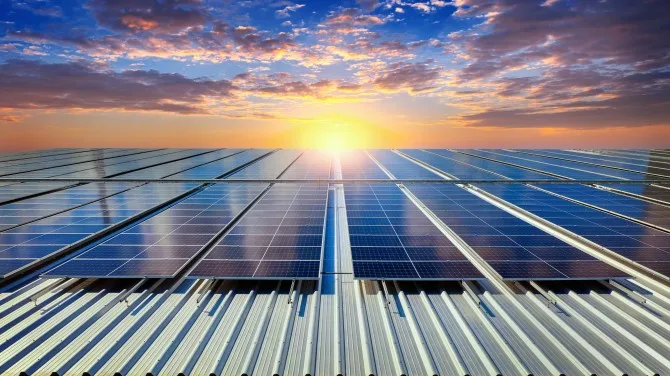
One vivid example: the sprawling Tengger Desert Solar Park in China, one of the world's largest photovoltaic installations, recently expanded by 2 GW in 2025, powering millions of homes with clean energy. Meanwhile, offshore wind farms in the North Sea deliver peak outputs exceeding previous expectations, thanks to advances in turbine design and energy storage solutions.
“2026 is the year renewable energy moves from promise to mainstream dominance, fundamentally altering how nations wield power economically and geopolitically.” — Dr. Elena Markov, Energy Policy Analyst
Such scenes highlight an energy revolution reshaping not only power generation but global geopolitics, economic stability, and climate trajectories. Yet, this transformation is complex, marked by regional disparities, technology integration challenges, and evolving market dynamics that demand close examination.
Tracing the Trajectory: How Renewable Energy Accelerated to 2026
The seeds of the current renewable surge were sown in the late 2010s and early 2020s, when falling costs of solar PV and wind technologies began disrupting traditional energy markets. According to Statista data, utility-scale solar costs have dropped by nearly 70% since 2015, while onshore wind prices decreased by 40% in the same period. These cost declines, combined with robust policy frameworks — such as the European Union’s Green Deal and the U.S. Inflation Reduction Act — catalyzed rapid deployment.
Simultaneously, breakthroughs in battery storage, hydrogen fuel tech, and grid digitization addressed intermittency concerns, making renewables more reliable and dispatchable. Key milestones included the commercial scaling of solid-state batteries by QuantumVolt in 2023 and the emergence of green hydrogen projects across Australia and the Middle East.
Global finance also pivoted sharply. Climate-conscious investment funds surged, with the Global Sustainable Investment Alliance reporting assets under management surpassing $50 trillion by 2025. Traditional fossil fuel financing dwindled as insurers and banks imposed stricter climate-related criteria.
This evolution was not linear or without obstacles. The intermittent nature of renewables posed integration challenges, grid infrastructure required significant upgrades, and supply chain bottlenecks for critical minerals occasionally slowed deployment. Nevertheless, strategic international cooperation and technology diffusion accelerated progress.
“The decisive factor was the alignment of technology maturity with enabling policies and capital flows, creating a virtuous cycle for renewables’ rapid ascendancy.” — Prof. Samuel Ortiz, Renewable Energy Economics, Stanford University
2026’s Core Trends: Data-Driven Insights and Market Shifts
The current year reveals several defining trends underpinning the renewable energy revolution. Analysis from BloombergNEF and IEA illustrates these shifts clearly:
- Dominance of Solar and Wind: These two technologies combined represent nearly 75% of new capacity additions globally in 2026, with solar leading in emerging markets and offshore wind surging in Europe and parts of Asia.
- Energy Storage Integration: Grid-scale storage capacity grew by 50% year-on-year, with lithium-ion batteries still dominant but solid-state and flow batteries gaining traction.
- Green Hydrogen Emergence: Production capacity has doubled since 2024, driven by industrial demand and new electrolyzer technologies reducing costs below $1.50/kg in some regions.
- Decentralized Energy Systems: Rooftop solar, microgrids, and peer-to-peer energy trading platforms expanded rapidly, especially in Africa and Latin America.
- Electrification of Transport and Industry: Electric vehicle adoption reached 35% of new car sales globally, and large-scale industrial processes increasingly shifted to renewable-powered electrification.
The following table summarizes key 2026 renewable energy metrics globally (IEA, BloombergNEF):
- Total renewable capacity: 4,750 GW (+12% YoY)
- Solar PV share: 1,900 GW (+18% YoY)
- Onshore wind: 1,300 GW (+10% YoY)
- Offshore wind: 650 GW (+22% YoY)
- Energy storage (grid-scale): 250 GW (+50% YoY)
- Green hydrogen production: 15 million tons/year (double 2024 levels)
Financially, renewable energy investments in 2026 are estimated to exceed $1.5 trillion globally, a 20% increase from 2025. Asia remains the largest market, followed by Europe and North America. The cost parity of renewables with fossil fuels has led to accelerated project pipelines and corporate commitments to 100% renewable sourcing.
Fresh Developments in 2026: Innovation Meets Policy Momentum
This year has seen several pivotal developments reshaping the renewable energy sector's trajectory. Technological innovation continues at breakneck speed, with AI-driven grid management systems optimizing renewable integration and predictive maintenance reducing downtime for wind farms.
Notably, new ultra-high-voltage direct current (UHVDC) transmission lines launched in China and India facilitate long-distance renewable energy transfer, solving geographic mismatches between resources and demand centers. This infrastructural leap is critical in enabling renewable expansion beyond localized grids.
Policy frameworks have also tightened globally. The G20’s 2026 summit produced a binding agreement to phase out unabated coal power by 2030 in developed countries and 2035 globally. Carbon pricing mechanisms are becoming more widespread, incentivizing cleaner energy investments.
Meanwhile, social and environmental considerations are gaining prominence. Community-owned renewable projects and just transition policies seek to ensure energy equity and protect vulnerable labor markets impacted by fossil fuel decline.
Energy companies are pivoting accordingly. For example, Iberdrola announced plans to double its offshore wind capacity by 2030, while Tesla expanded its battery gigafactories to meet soaring demand for renewable storage and electric vehicle applications.
“The confluence of technology, capital, and policy in 2026 is accelerating renewables beyond traditional boundaries, creating new market paradigms and social models.” — Dr. Naomi Chen, Sustainable Energy Strategist
Case Studies: Real-World Impact of 2026 Renewable Energy Trends
Several projects exemplify how 2026 trends are translating into tangible outcomes. The Hornsea 3 offshore wind farm in the UK, recently completed, now delivers 3.6 GW of clean power—enough to supply over 5 million homes. Its advanced floating turbine technology allows deployment in deeper waters, expanding the wind energy frontier.
In Africa, Kenya's Lake Turkana Wind Power Project expanded its capacity by 50% in early 2026, providing 40% of the country’s electricity and demonstrating the vital role renewables play in electrification and economic development.
On the innovation front, the Solar Energy Corporation of India commissioned a 500 MW hybrid solar-hydrogen plant combining PV arrays and electrolyzers, pioneering integrated green hydrogen production alongside power generation.
These projects reflect broader patterns of decentralization, hybridization, and cross-sector integration driving the sector forward globally. They also highlight challenges such as supply chain resilience and the importance of supportive regulatory environments.
For deeper insight on overcoming project pitfalls, readers can explore Why Renewable Energy Projects Often Fail: Lessons from Common Mistakes. To understand the technologies powering this growth, Harnessing Tomorrow: The Top 10 Renewable Energy Technologies Powering Our Future provides comprehensive coverage.
Looking Ahead: What to Watch in Renewable Energy’s Next Phase
As 2026 progresses, several factors will shape how the renewable energy transition unfolds:
- Critical Materials Supply: Ensuring sustainable and ethical sourcing of lithium, cobalt, and rare earths is paramount to avoid bottlenecks in battery and turbine production.
- Grid Modernization: Continued investment in smart grids, digital infrastructure, and cross-border interconnections will be essential to manage renewable variability and demand response.
- Green Hydrogen Scale-Up: Expansion of electrolyzer manufacturing and infrastructure to bring hydrogen costs down further and enable decarbonization of heavy industry and transport.
- Policy Harmonization: International cooperation to align carbon pricing, finance mechanisms, and clean energy standards will accelerate global deployment.
- Energy Equity and Just Transition: Integrating social dimensions to ensure vulnerable communities benefit and fossil fuel-dependent workers are supported through retraining.
Experts also emphasize the importance of innovation in financing models, such as green bonds and blended finance, to mobilize capital at the scale required.
“The future of renewable energy hinges on integrating technological innovation with inclusive policies and resilient supply chains to sustain momentum beyond 2030.” — Maria Lopez, Director of Climate Finance, UNEP
In conclusion, 2026 is a pivotal year where renewable energy’s ascent is setting new standards for global energy systems. The blend of policy, technology, and market forces is creating a robust foundation for a sustainable, equitable energy future. Readers interested in the broader implications can consult How Renewable Energy Is Reshaping Global Power and Climate Action and Renewable Energy’s Rising Tide: Powering a Sustainable Future Beyond Fossil Fuels for expanded analysis.