
From Global Shortages to Personalized Plates: The Nutrition Landscape Transformed
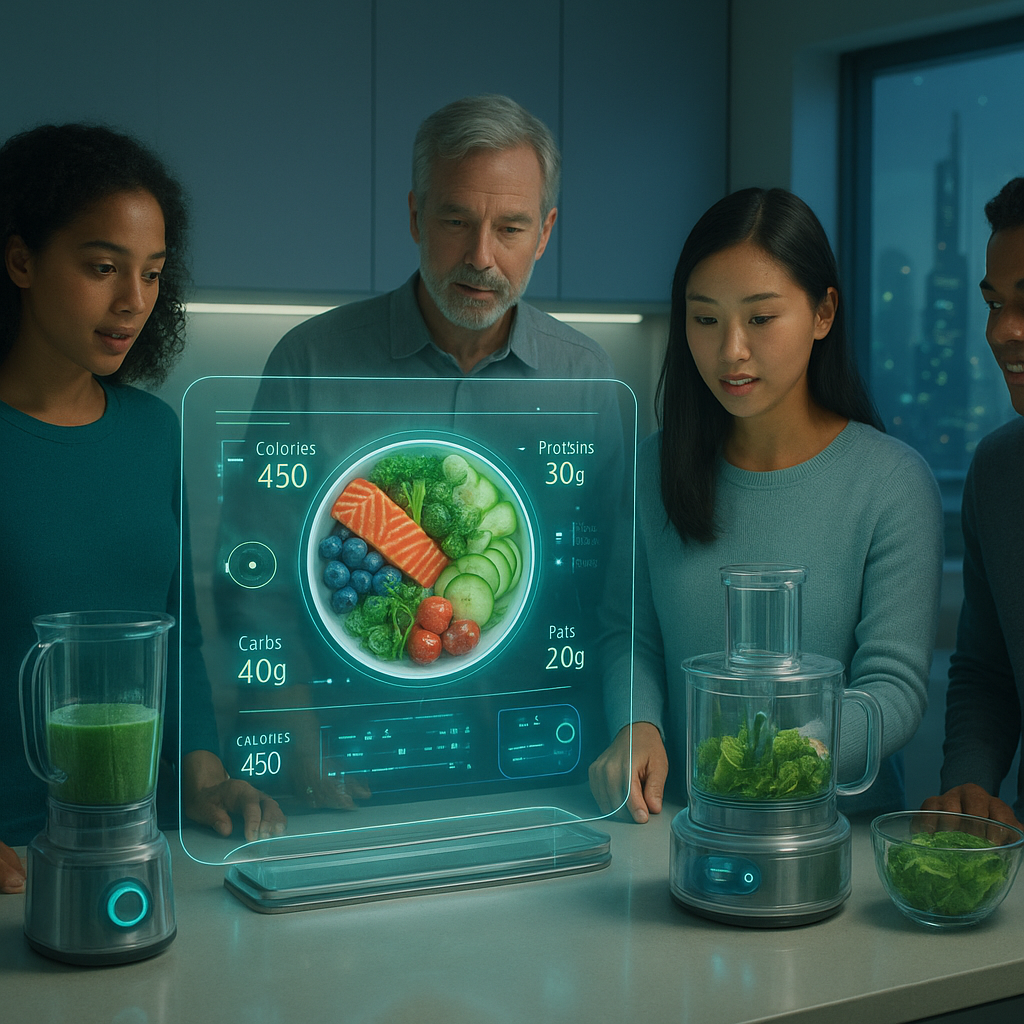
Picture a bustling urban market in 2026, where fresh produce is no longer seasonal or regional but tailored daily to meet the precise micronutrient needs of each consumer. This vision is rapidly becoming reality as nutrition science and technology converge to redefine how we conceive food and health. The global conversation around nutrition has shifted dramatically since the early 2020s, evolving from generalized dietary guidelines to highly personalized, data-driven approaches. This massive transformation is fueled by advances in genomics, artificial intelligence, sustainable agriculture, and metabolic science.
At the heart of this revolution is a growing recognition that nutrition is not a one-size-fits-all proposition but a complex interplay of genetics, environment, lifestyle, and microbiome dynamics. According to recent figures from the World Health Organization, malnutrition—including both undernutrition and obesity—still affects over 2 billion people worldwide, underscoring the urgent need for smarter interventions. This dual burden continues to challenge public health systems globally.
As consumers demand more transparency and efficacy from their diets, the nutrition industry has responded with innovations that promise not only to optimize health but also to address ecological sustainability and social equity. This article explores the groundbreaking developments in nutrition as of 2026, examines the scientific and technological forces shaping this new paradigm, and offers expert insights on what lies ahead.
“Nutrition in 2026 is no longer about calories or fad diets—it’s about unlocking the unique biochemical fingerprint of each individual to promote lifelong wellness.” – Dr. Amara Chowdhury, Nutrigenomics Specialist
Tracing the Roots: How Nutrition Science Evolved to This Point
The journey to today’s advanced nutritional landscape began with the foundational discoveries of vitamins and minerals in the early 20th century, followed by the establishment of Recommended Dietary Allowances (RDAs) in the mid-century. These guidelines provided a baseline for preventing deficiency diseases but lacked personalization.
By the 1990s, nutrition research expanded to include macronutrient balance and chronic disease prevention, influenced by epidemiological studies linking diet to conditions such as diabetes and cardiovascular disease. However, it was not until the Human Genome Project’s completion in 2003 that the potential for individualized nutrition based on genetics became apparent.
In the 2010s and early 2020s, advances in high-throughput sequencing, metabolomics, and microbiome analysis accelerated understanding of human metabolism’s complexity. Concurrently, the rise of wearable health tech and AI-powered analytics enabled real-time monitoring of dietary intake and physiological responses. These technologies laid the groundwork for today's precision nutrition movement.
Another critical factor was the global food sustainability crisis. Faced with climate change impacts and resource constraints, governments and industries prioritized developing alternative protein sources and regenerative agriculture practices. These efforts converged with nutrition science to promote diets that are both healthful and environmentally responsible.
“The past three decades have seen a paradigm shift—from population-wide nutritional advice to truly personalized, dynamic dietary strategies grounded in cutting-edge science.” – Prof. Luis Mendoza, Historian of Nutritional Science
Key Breakthroughs Driving Nutrition Innovation in 2026
The core of the 2026 nutrition revolution lies in several interrelated technological and scientific breakthroughs. These advances are reshaping how dietary needs are assessed, foods are produced, and health outcomes are optimized.
1. Nutrigenomics and Epigenetics
Genetic testing has become an accessible tool for tailoring nutrition plans. Nutrigenomic profiles reveal how individual DNA variants affect nutrient metabolism, enabling customized recommendations. Moreover, epigenetic research shows how diet influences gene expression, offering pathways to reverse or mitigate disease risks.
2. Microbiome Modulation
Understanding the gut microbiome’s role in health has led to targeted interventions such as designer probiotics, postbiotics, and microbiome-friendly diets. These strategies enhance nutrient absorption, immune function, and mental well-being.
3. AI-Driven Dietary Optimization
Artificial intelligence platforms analyze massive datasets spanning genetics, lifestyle, environment, and food chemistry to generate personalized meal plans that adapt in real time to individual responses and goals.
4. Sustainable and Functional Foods
Novel food technologies have produced nutrient-dense, eco-friendly products such as cultured meats, algae-based proteins, and biofortified crops, addressing both health and planetary boundaries.
5. Metabolic Monitoring Devices
Wearable sensors now track metabolic markers like blood glucose, ketones, and micronutrient levels, providing feedback loops for immediate dietary adjustments.
According to recent data from the Global Nutrition Innovation Consortium, adoption of precision nutrition technologies has increased by 65% since 2023, with a projected market valuation exceeding $45 billion by 2027. This growth is fueled by both direct-to-consumer platforms and integration into clinical care for chronic disease management.
- Over 70% of health-conscious consumers now use at least one form of personalized nutrition assessment.
- Functional food sales have doubled globally in the past three years.
- Regenerative agriculture practices supplying nutrient-rich crops have expanded to cover 12% of global farmland.
Current 2026 Developments: What’s New on the Nutrition Front?
The latest breakthroughs in 2026 highlight an increasing convergence of nutrition, technology, and sustainability. This year has seen several landmark developments that underscore the momentum of this field.
First, the FDA approved the first AI-powered nutritional supplement formulation system, which creates individualized blends based on comprehensive biomarker analysis. This system is being deployed in pharmacies and wellness clinics nationwide.
Secondly, a consortium of agricultural biotech firms launched the world’s first genetically tailored crops optimized not only for yield and climate resilience but also for enhancing human microbiome diversity. Pilot programs in parts of Europe and Asia report improved nutritional outcomes and soil health.
Thirdly, major tech companies have integrated metabolic monitoring sensors into consumer wearables that non-invasively track micronutrient deficiencies, a game-changing innovation for early detection and prevention.
Moreover, global health initiatives have begun incorporating precision nutrition strategies to combat the persistent double burden of malnutrition. The United Nations Food Systems Summit 2026 emphasized nutrition-sensitive food policies that leverage data analytics to tailor interventions at the community level.
These advances are complemented by an explosion of educational content promoting evidence-based nutrition literacy, helping consumers distinguish credible information from misinformation in an era of digital noise.
- Over 150 million users worldwide now engage with AI-driven nutrition platforms monthly.
- The global market for microbiome-targeted foods and supplements grew by 40% in the past year.
- Regenerative and vertical farming methods contribute to 25% of urban food supplies in megacities.
These trends illustrate how nutrition is becoming a dynamic, integrated science with tangible impacts on public health and environmental stewardship.
Expert Perspectives: Industry Leaders Reflect on 2026 Nutrition Trends
Leading voices in nutrition science, technology, and policy have weighed in on the significance of current developments and the challenges ahead.
Dr. Helen Saito, CEO of NutriTech Innovations, highlights the transformative power of AI:
“AI allows us to move beyond static dietary recommendations to a responsive system that evolves with the individual, improving adherence and outcomes.”
Meanwhile, environmental nutritionist Dr. Raj Patel stresses the importance of sustainable practices:
“True nutritional progress cannot be decoupled from planetary health; our food systems must nourish both people and the planet.”
Healthcare practitioners note the integration of precision nutrition into clinical protocols is improving management of metabolic diseases. Dr. Maria Gonzalez, an endocrinologist, observes, “Personalized dietary strategies, combined with continuous metabolic monitoring, have reduced hospitalizations for diabetes complications by 30% in pilot programs.”
Policy experts emphasize the equity dimension. “Ensuring access to advanced nutrition technologies for underserved populations is critical to prevent widening health disparities,” notes policy analyst James Okoro.
This multifaceted expert landscape reflects nutrition’s role as a linchpin in health innovation and social equity.
Future Outlook: Navigating Opportunities and Challenges Ahead
Looking forward, the trajectory of nutrition in 2026 and beyond promises continued integration of science, technology, and sustainability. However, several key factors will shape the pace and inclusivity of this transformation.
First, regulatory frameworks must keep pace with rapid innovation, balancing safety and efficacy with consumer access. Second, data privacy and ethical considerations around genetic and metabolic information require robust governance. Third, bridging the digital divide is essential to ensure equitable benefits from personalized nutrition.
Emerging research areas, such as neuro-nutrition and chrono-nutrition—the study of diet’s effect on brain health and circadian rhythms—are poised to unlock new dimensions of wellness. The convergence of nutrition with mental health is gaining increasing attention as evidence mounts linking diet quality to cognitive function and mood disorders.
Furthermore, collaboration across sectors—healthcare, agriculture, technology, and policy—will drive systemic change. Initiatives like the Global Alliance for Sustainable Nutrition are fostering multi-stakeholder partnerships to align goals and resources.
For individuals, the key takeaway is empowerment through education and technology. Coupled with informed policy and innovation, nutrition in 2026 is evolving into a proactive, precise, and sustainable force for global health.
- Embrace personalized nutrition tools validated by scientific research.
- Support sustainable food choices that promote environmental resilience.
- Advocate for equitable access to nutrition technologies and education.
- Monitor emerging trends like microbiome therapies and wearable metabolic sensors.
- Engage with credible sources to navigate nutrition information effectively.
For those seeking to deepen their understanding of precision nutrition strategies, TheOmniBuzz offers insightful resources such as Harnessing Precision: Advanced Strategies Revolutionizing Nutrition Today and Unlocking Optimal Health: Expert Tips for Mastering Nutrition. These articles provide practical guidance aligned with the latest scientific advances.
In closing, nutrition in 2026 embodies a bold reimagining of how we nourish ourselves and the planet—driven by data, innovation, and a commitment to well-being for all.