A rural health center in Ethiopia needs essential medicines. Nearest supplier in Addis Ababa. Three days away. Transportation expensive. Lead time long. Patient waiting. Health center stocks out. Patient dies. Preventable death.
Another health center same region. But regional pharmaceutical hub opened. One hour away. Stock available. Quick delivery. Emergency medicine access. Patient treated. Life saved.
Same region. Same patient need. Different infrastructure. Different outcome.
For Ethiopian pharmaceutical distribution, rural access is critical challenge. Rural areas underserved. Healthcare facilities struggling. Patients dying. Yet solution exists. Regional distribution hubs enable rural access. Hub strategy is infrastructure answer to access problem.
Many Ethiopian regions lack distribution infrastructure. Opportunity enormous. Organizations building hubs gain competitive advantage. Organizations ignoring rural market lose growth opportunity.
Ethiopia's Rural Distribution Challenge
Rural areas face severe distribution barriers.
Geographic isolation. Rural facilities distant from suppliers. Addis Ababa far away. Transportation difficult. Three days or more common. Geographic barrier real. Access difficult.
Transportation costs high. Long distance driving expensive. Fuel expensive. Time expensive. Vehicle wear expensive. Total cost substantial. Affordability challenge. Cost barrier real.
Lead times long. Ordering to delivery taking weeks. Emergency access difficult. Stock-outs common. Patient access delayed. Lead time barrier substantial. Time pressure real.
Infrastructure limited. Roads poor in rural areas. Rainy season making travel impossible. Transportation unreliable. Infrastructure inadequacy. Connectivity limited. Access seasonal.
Cold chain absent. Temperature-sensitive medicines requiring refrigeration. Rural facilities lacking equipment. Storage problematic. Medicine viability compromised. Infrastructure gap. Cold chain barrier.
Demand unpredictable. Rural demand volatile. Population low. Disease patterns different. Forecasting difficult. Inventory challenging. Demand uncertainty. Volatility barrier.
Electricity unreliable. Power outages common. Refrigeration failing. Storage compromised. Medicine spoilage. Equipment challenges. Infrastructure limitation. Power barrier.
Ethiopia's rural distribution challenge is real and systemic.
Hub-and-Spoke Distribution Model
Hub strategy addresses rural challenge.
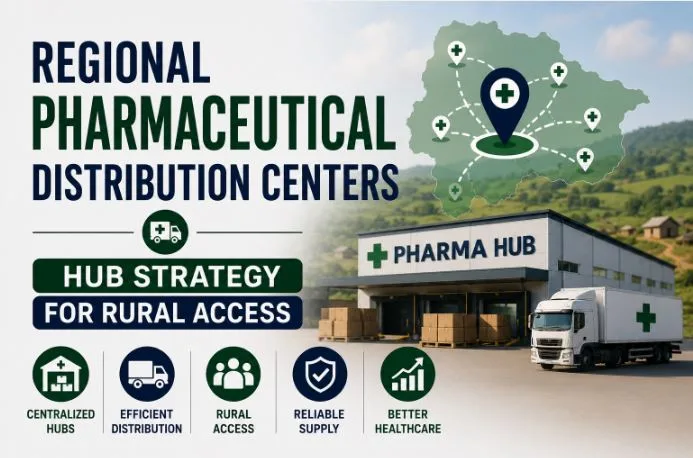
Hub concept. Central warehouse. Stocking medicines. Serving region. Hub location strategic. Accessible to rural facilities. Hub proximity important. Central location.
Spoke concept. Rural health facilities. Receiving from hub. Quick access. Regular supply. Spoke relationship. Hub serving spokes. Network structure.
Hub location. Located regional town. Between rural facilities. Accessible by road. Electricity available. Communications available. Strategic location. Central positioning.
Hub inventory. Stocking essential medicines. Common medicines. Emergency medicines. Quantities sufficient. Regional need meeting. Inventory strategy. Stock adequacy.
Hub operations. Receiving medicines regularly. Storing medicines properly. Managing inventory. Processing orders. Coordinating delivery. Hub functionality. Operational requirements.
Spoke relationship. Health centers ordering from hub. Quick fulfillment. Regular delivery. Emergency access. Relationship benefit. Supply partnership. Access improvement.
Hub-and-spoke model addresses rural challenge structurally.
Benefits of Regional Distribution Hubs
Hubs create substantial benefits.
Access improvement. Medicine availability increasing. Health centers stocking. Patient access improving. Emergency access enabling. Service expansion. Access is primary benefit.
Lead time reduction. Local supply reducing travel time. Days becoming hours. Emergency response enabling. Lead time reduced. Speed improvement. Responsiveness enabling.
Cost reduction. Reduced transportation cost. Hub consolidating shipments. Economies of scale. Cost per unit reduced. Efficiency improvement. Cost saving benefit.
Working capital efficiency. Smaller orders possible. Payments more frequent but smaller. Working capital improved. Cash flow better. Financial efficiency. Capital benefit.
Emergency access. Emergency medicines available locally. Emergency response enabling. Patient crisis management. Emergency capability. Service improvement. Critical benefit.
Supply reliability. Regular supply. Predictable supply. Supply reliability increasing. Health center confidence. Relationship stability. Reliability benefit.
Professional services. Hub providing training. Pharmacist support. Quality control. Professional development. Service expansion. Professional benefit.
Market development. Hub identifying demand. Market research. Product education. Market growth. Development opportunity. Market benefit.
Hub benefits span access, efficiency, and service.
Implementing Regional Hubs
Hub establishment requires planning.
Location selection. Identifying hub location. Regional town. Accessibility important. Infrastructure adequate. Location analysis. Strategic site selection.
Facility development. Building warehouse. Storage space. Security. Utilities. Equipment. Facility investment. Infrastructure development.
Stock establishment. Determining inventory. Essential medicines. Quantities needed. Supplier sourcing. Inventory stocking. Stock establishment.
Staff recruitment. Hiring manager. Hiring warehouse staff. Pharmacist if possible. Staff capability. Team building. Personnel acquisition.
System establishment. Creating ordering system. Record-keeping. Inventory management. Communication. System development. Process creation.
Supplier coordination. Arranging supply. Regular deliveries. Quantities. Timing. Supplier partnership. Supply arrangement.
Health center outreach. Meeting with health centers. Building relationships. Explaining hub. Education. Relationship building. Outreach engagement.
Training provision. Training hub staff. Training health center staff. Proper procedures. Professional development. Training delivery. Competency building.
Implementation requires planning and execution.
Hub Financing Models
Different financing approaches work.
Government support. Government funding hubs. Public health investment. Government ownership. Public model. Government approach. Public financing.
NGO support. NGO establishing hubs. Charitable mission. Donor funding. NGO model. Nonprofit approach. Nonprofit financing.
Private business. Private business establishing hubs. Revenue model. Profit motivation. Private model. Commercial approach. Commercial financing.
Partnership model. Government and private partnership. Shared investment. Shared operation. Hybrid model. Cooperative approach. Partnership financing.
User fees. Health centers paying for hub service. Small markup. Service charge. Sustainability approach. Self-sufficiency. Fee-based financing.
Donor funding. International donors funding. Grant funding. Charitable approach. Donor model. External financing. Donor-dependent approach.
Multi-source. Combining funding sources. Government plus user fees. NGO plus private. Hybrid approach. Diversified funding. Mixed financing.
Different models work in different contexts.
Hub Technology Systems
Technology supports hub operations.
Inventory system. Tracking medicines. Stock levels. Expiry dates. Movement tracking. Inventory visibility. System capability.
Order management. Receiving orders. Processing orders. Fulfillment. Delivery coordination. Order system. Process automation.
Communication. Phone. WhatsApp. Email. Radio. Real-time communication. Communication network. System capability.
Data analysis. Tracking demand. Identifying patterns. Forecasting needs. Data-driven decisions. Analytics capability. Intelligence building.
Record-keeping. Transaction records. Delivery records. Payment records. Accountability documentation. Record system. Documentation capability.
GPS tracking. Vehicle tracking. Delivery tracking. Route optimization. Visibility. Technology support. Real-time capability.
Technology increases hub capability and efficiency.
Common Hub Implementation Mistakes
Organizations make predictable errors.
Poor location. Hub too far from health centers. Accessibility questionable. Access not improving. Location error. Strategic failure. Location critical.
Inadequate inventory. Understocking hub. Medicine shortages. Access not improving. Stock inadequate. Supply failure. Inventory sizing critical.
No cold chain. Lacking refrigeration. Medicine spoilage. Quality failure. Infrastructure failure. Cold chain critical. Temperature control essential.
Poor communication. Health centers not knowing about hub. Orders not received. Service not accessed. Communication failure. Awareness critical. Marketing necessary.
No training. Hub staff untrained. Poor service. Professional failure. Operational failure. Training important. Competency essential.
High pricing. Charging too much. Health centers unable to afford. Access not improving. Affordability failure. Pricing strategy critical.
No sustainability plan. No revenue model. Funding stops. Hub closes. Service ends. Sustainability planning critical. Long-term viability essential.
Mistakes are preventable with planning.
Regional Hub Success Factors
Successful hubs share characteristics.
Strategic location. Hub centrally located. Accessible to health centers. Road access. Electricity. Location strategic. Positioning critical.
Reliable supply. Regular supplier deliveries. Medicine availability. Stock adequate. Supply partnership. Supplier reliability. Supply security.
Professional staff. Trained hub manager. Competent warehouse staff. Pharmacist if possible. Professional service. Staff quality. Competency important.
Affordability. Pricing reasonable. Health centers can afford. Services accessible. Financial feasibility. Affordability important. Price positioning.
Responsive service. Quick order fulfillment. Emergency access. Reliable delivery. Service quality. Responsiveness important. Customer satisfaction.
Community engagement. Relationship building with health centers. Regular communication. Feedback collection. Continuous improvement. Community integration. Relationship importance.
Long-term commitment. Sustainable business model. Continued operation. Service permanence. Reliability. Commitment sustained. Longevity assured.
Success depends on consistent execution.
The Supplier Relationship Angle
For Ethiopian organizations building regional distribution hubs, supplier partnerships matter significantly.
Suppliers offering reliable delivery support hub success. Suppliers providing consistent quality enable hub credibility. Suppliers understanding hub model help ensure sustainability.
When Ethiopian pharmaceutical organizations are establishing regional distribution hubs, working with exporters who understand hub strategy becomes valuable. Exporters with reliable supply capability. Exporters supporting regional access. Exporters understanding hub operations. Resources highlighting reliable pharmaceutical exporters supporting Ethiopia regional distribution hubs and rural healthcare access infrastructure can help identify suppliers positioned to support hub success.
Moving Forward
For organizations considering regional hubs:
Assess need. Understanding rural access gaps. Healthcare facility challenges. Patient access problems. Need assessment. Problem identification.
Select location. Identifying strategic hub location. Regional town. Geographic centrality. Accessibility. Location selection. Site determination.
Develop facility. Planning warehouse. Building infrastructure. Equipment acquisition. Facility development. Infrastructure establishment.
Arrange supply. Sourcing suppliers. Negotiating terms. Establishing delivery. Supply arrangement. Supplier partnership.
Staff hiring. Recruiting manager. Hiring warehouse staff. Recruiting pharmacist. Team building. Personnel acquisition.
System implementation. Creating operational systems. Inventory management. Order processing. Documentation. System establishment. Process creation.
Health center outreach. Meeting with facilities. Building relationships. Explaining hub. Stakeholder engagement. Relationship building.
Launch operations. Starting hub operations. Initial inventory. First deliveries. Service launch. Operational start. Launch execution.
Monitor performance. Tracking access improvement. Monitoring medicine availability. Measuring impact. Performance tracking. Success assessment.
Continuous improvement. Learning from experience. Improving service. Expanding inventory. Enhancing capability. Continuous refinement. Ongoing improvement.
Sustainability focus. Ensuring long-term viability. Financial sustainability. Service continuity. Organizational sustainability. Long-term planning. Future security.
Regional pharmaceutical distribution hubs transform rural healthcare access and enable equitable medicine availability.
That's how Ethiopian organizations serve rural patients and expand market reach.