
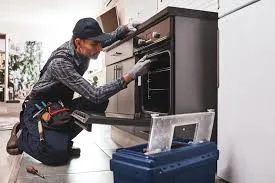
A refrigerator that is not cooling properly can quickly disrupt your daily routine. From spoiled food to unexpected expenses, cooling issues should be addressed as soon as possible. The good news is that many common refrigerator problems can be identified and even fixed at home with simple troubleshooting steps. This guide will help you understand the causes of cooling issues and how to resolve them effectively.
Understanding How Refrigerator Cooling Works
Refrigerators use a combination of compressors, evaporators, fans, and refrigerants to maintain a low temperature inside. If any of these components fail or are obstructed, the cooling process can be affected. Identifying the root cause is the first step toward fixing the problem.
Common Causes of Cooling Issues
1. Dirty Condenser Coils
Condenser coils release heat from the refrigerator. When dust and debris accumulate on these coils, they cannot function efficiently, leading to reduced cooling.
Fix: Clean the coils using a vacuum cleaner or brush every few months.
2. Incorrect Temperature Settings
Sometimes the issue is as simple as incorrect temperature settings. If the temperature is set too high, the refrigerator will not cool properly.
Fix: Set the fridge temperature between 3°C to 5°C and the freezer at around -18°C.
3. Blocked Air Vents
Air vents inside the refrigerator allow cold air to circulate. When they are blocked by food items, cooling becomes uneven.
Fix: Rearrange items to ensure proper airflow throughout the compartments.
4. Faulty Door Seal
A damaged door seal allows cold air to escape, forcing the refrigerator to work harder and reducing its cooling efficiency.
Fix: Check the gasket for cracks or looseness and replace it if needed.
5. Frost Build-Up in Freezer
Excessive frost can block airflow and affect the cooling process. This is often caused by a malfunctioning defrost system.
Fix: Defrost the freezer manually and check for defrost system issues.
6. Faulty Evaporator Fan
The evaporator fan circulates cold air inside the refrigerator. If it stops working, cooling becomes uneven or insufficient.
Fix: Listen for unusual noises and replace the fan if it is not functioning.
Step-by-Step Troubleshooting at Home
Check Power Supply
Ensure the refrigerator is properly plugged in and receiving power. A loose connection can disrupt cooling.
Inspect Coils and Clean Them
Remove dust and debris from the condenser coils to improve efficiency.
Examine Door Seals
Close the door on a piece of paper. If it slides out easily, the seal may need replacement.
Monitor Temperature Settings
Adjust settings and wait a few hours to see if cooling improves.
Check for Obstructions
Make sure vents and fans are not blocked by food items or debris.
When to Call a Professional
If the above steps do not resolve the issue, the problem may involve complex components such as the compressor, refrigerant, or electrical system. These issues require professional expertise to avoid further damage.
Preventive Maintenance Tips
Clean Regularly
Keep both the interior and exterior of the refrigerator clean to maintain hygiene and performance.
Avoid Overloading
Overloading restricts airflow and reduces cooling efficiency.
Ensure Proper Ventilation
Allow enough space around the refrigerator for heat to dissipate.
Conclusion
Troubleshooting refrigerator cooling issues at home can save time and prevent minor problems from turning into major repairs. By following simple maintenance and inspection steps, you can keep your appliance running efficiently.
If your refrigerator still isn’t cooling properly, Matrix Solutions provides the best repair and maintenance services. Their experienced technicians offer quick and reliable solutions to restore your refrigerator’s performance and ensure long-term efficiency.