Employees often work in environments they do not control. A delivery driver may approach a front door without knowing whether a dog is inside. A utility technician may need to access a property where an animal is roaming freely. Even a dog that seems friendly around its owner may react differently to an unfamiliar person.
These situations can result in bites, scratches, falls, and other physical injuries. An incident may also cause emotional distress, missed workdays, medical expenses, and operational disruptions. Employers should treat animal encounters as a genuine workplace hazard, not an occasional inconvenience.
Why Employee Training Is Important
Dog bite prevention training gives employees the knowledge to identify warning signs and make safer decisions before an encounter becomes dangerous. Workers should understand that barking, growling, showing teeth, stiff body posture, raised hackles, and intense staring may indicate discomfort, fear, or agitation. However, no single behavior can reliably predict whether a dog will bite.
Employees should also learn to avoid approaching unfamiliar dogs, attempting to pet them, feeding them, or entering an area where an animal is not properly secured. Recognizing when to stop, maintain distance, and request assistance can prevent unnecessary exposure to danger.
Teaching Employees Safe Workplace Practices
A successful training program should focus on realistic situations employees may experience during their daily responsibilities.
Important practices include:
- Evaluate the surroundings: Look for dogs, open gates, damaged fences, warning signs, and other possible hazards before entering a property.
- Avoid unexpected contact: Never assume a dog is friendly or properly restrained simply because it is behind a fence or appears calm.
- Maintain a safe distance: Avoid approaching, cornering, chasing, or startling an unfamiliar animal.
- Communicate with customers: Politely ask owners to secure their dogs before employees approach the property.
- Know when to withdraw: If a dog behaves aggressively or the situation feels unsafe, stop the task and move to a safer location when possible.
- Report incidents: Employees should promptly report threatening encounters and injuries according to company procedures.
Consistent instruction helps employees apply these practices instead of relying on guesswork.
Building a Workplace Safety Program
Organizations should include animal-related hazards in their broader employee safety policies. Managers can identify which job roles involve frequent property visits, customer interactions, or outdoor assignments. Based on this assessment, they can establish clear procedures for reporting dangerous locations, delaying service when an animal is unsecured, and requesting assistance.
Refresher sessions are also important. New employees should receive relevant instruction before beginning field duties, while experienced workers benefit from regular reminders and scenario-based learning. Supervisors should encourage employees to report near misses, not just incidents that result in injuries.
A strong dog bite prevention program should also involve communication between management and employees. Workers often understand the practical challenges of their routes and job locations, so their feedback can help organizations improve safety procedures.
How Bulli Ray Supports Employee Safety
Bulli Ray specializes in occupational dog bite safety training for organizations whose employees may encounter dogs while working. Through its training programs, the company helps businesses educate their teams about canine behavior, workplace risks, and practical ways to respond to potentially dangerous encounters.
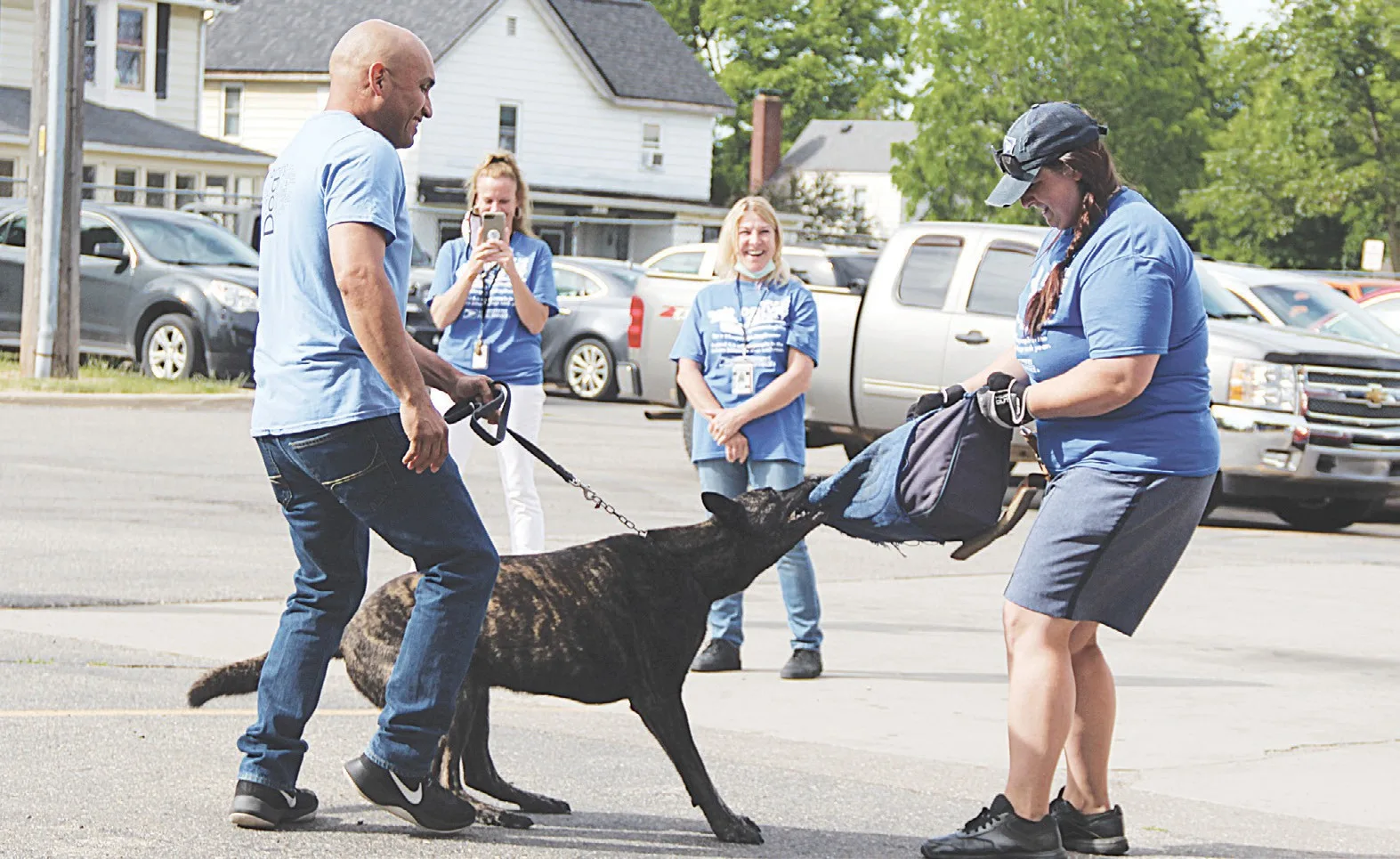
Bulli Ray offers online training for employees who need flexible, self-paced instruction, as well as on-site sessions that include practical demonstrations with live dogs. Its programs are designed for organizations such as delivery services, utility companies, municipalities, healthcare providers, and other businesses with field-based employees.
Employers can explore the training options available through Bulli Ray to identify an approach that suits their workforce, operational needs, and safety objectives.
What Should Employees Do After a Dog Bite?
Even with appropriate training, incidents can still happen. Employees should know the company's reporting process and understand the importance of seeking prompt medical evaluation after a bite. Wounds should be washed thoroughly with soap and running water, and a healthcare professional should assess the injury and possible infection or rabies exposure.
Employees should notify their supervisor as soon as possible and document relevant details, including the location, circumstances, and available information about the animal. Prompt reporting helps employers investigate the incident and take steps to reduce the risk of similar events.
Measuring the Success of Safety Training
Training effectiveness should be reviewed over time. Employers can monitor reported encounters, near misses, injuries, employee participation, and feedback from field teams. These indicators can reveal whether existing procedures are working or whether additional instruction is needed.
A well-designed dog bite prevention strategy should be treated as an ongoing part of workplace safety. Regular reviews, updated training materials, and management support help keep safety awareness relevant as job responsibilities and working environments change.
Conclusion
Protecting employees from animal-related workplace injuries requires preparation, awareness, and consistent communication. By teaching workers to recognize warning signs, assess their surroundings, maintain distance, and report unsafe situations, organizations can build safer field operations. Investing in professional training through experienced providers such as Bulli Ray can help employees develop practical knowledge and greater confidence when working around dogs. Workplace safety is an ongoing responsibility, and preparing for unexpected animal encounters is an important part of protecting every team member.
Keyword check: “dog bite prevention” appears exactly 4 times in the article.
The Bulli Ray section reflects the brand’s published online and onsite training options, including live-dog demonstrations and practical workplace scenarios.