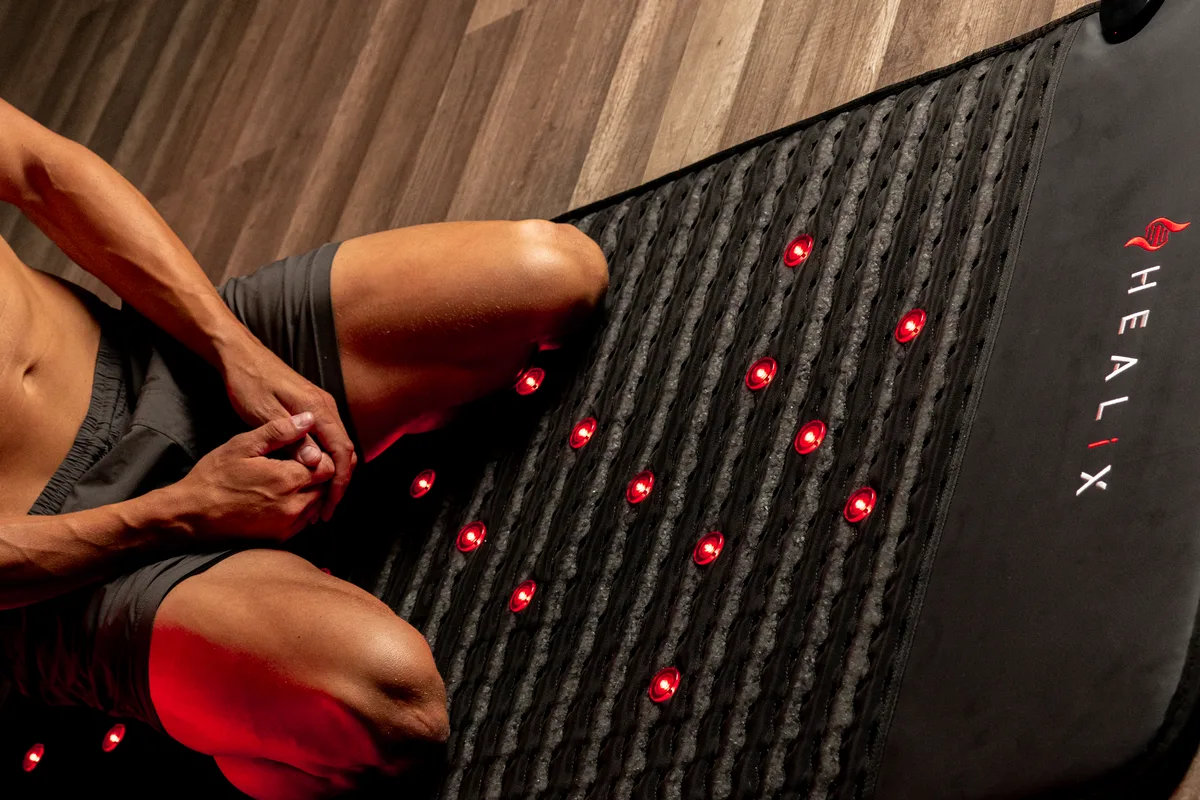
When I started working closely with athletes and people who train regularly, one thing became very clear to me that training is never the only challenge. Recovery is where the real difference is made. You can push hard in the gym, follow a strict plan, and still feel stuck if your body isn’t recovering the way it should. That’s exactly where I began exploring supportive wellness tools, and over time, I’ve seen growing interest in Red Light Therapy Products among athletes trying to improve both recovery and performance in a more natural way.
Why Recovery Is the Real Foundation of Performance
Most athletes focus heavily on workouts, intensity, and progression—and that’s completely understandable. But what often gets overlooked is what happens after the workout ends. Every training session creates micro-stress in the muscles. That’s not a bad thing; in fact, it’s how the body grows stronger. But the repair process needs time, oxygen, nutrients, and proper cellular energy.
From my experience, when recovery is ignored or rushed, it shows up in subtle ways first—constant fatigue, tight muscles, slower performance, and sometimes even recurring injuries. Over time, these small signs turn into bigger setbacks. That’s why I always tell people: your recovery routine is just as important as your training plan.
How Light-Based Support Fits Into Modern Recovery
What makes red light-based wellness interesting is how simple yet scientifically grounded it is. The idea is not complicated—it works by delivering specific wavelengths of light to the body, which then interact with your cells at a deeper level.
Inside every cell, there are mitochondria, often called the energy centers. When these cells are stimulated, they produce more energy, which helps the body repair itself more efficiently. In simple terms, it supports the natural recovery process rather than forcing anything unnatural into the body.
What I personally find valuable about this approach is that it doesn’t try to replace traditional recovery methods. Instead, it supports what your body is already designed to do.
What Athletes Commonly Notice Over Time
Over the years of observing users and discussing feedback, I’ve noticed a few consistent patterns when athletes use red light-based routines regularly. While everyone’s body responds differently, these are some commonly reported experiences:
- Less post-workout soreness over time
After intense training sessions, muscle tightness tends to reduce more quickly with consistent use. - Better training consistency
When recovery improves, athletes are able to stick to their schedules without needing long breaks due to fatigue or soreness. - Improved muscle readiness
Many users feel their muscles are “looser” and more prepared before workouts when used as part of a warm-up routine. - Reduced feeling of burnout
When recovery is supported, overall training fatigue becomes easier to manage.
I always remind people that these benefits don’t happen overnight. This is not a quick fix—it’s more about building a supportive routine over time.
How I Suggest Athletes Use It in Real Life
One of the most common questions I get is: “When should I actually use it?” My honest answer is—there is no single perfect time, but consistency matters more than timing.
Some athletes prefer using it after workouts to support recovery. Others use it in the morning to prepare their body for the day’s training. Personally, I believe it should fit into your routine naturally, not feel like an additional burden.
Short sessions are usually enough. You don’t need long exposure. What matters is repeating it regularly and pairing it with good fundamentals like hydration, sleep, and nutrition.
What It Cannot Replace (And Why That Matters)
I always like to be very transparent about this—no recovery tool should ever replace the basics. No matter how advanced a wellness method is, it cannot make up for poor sleep, lack of protein intake, dehydration, or overtraining.
Think of it this way: your body is already capable of healing and adapting. Tools like this simply help create a better environment for that process. They are supportive, not magical replacements.
A Balanced Approach to Performance
If there is one thing I’ve learned working in this space, it’s that athletes perform best when everything is balanced. Training, recovery, mindset, and lifestyle all work together. If one area is ignored, performance eventually feels the impact.
What I like about modern recovery tools is that they give athletes more control over their routine. They allow flexibility, especially for those who don’t always have time for long recovery sessions or frequent therapy appointments.
Final Thoughts
From my perspective, recovery should never feel like an afterthought. It’s part of the training cycle, not something separate from it. When athletes start treating recovery with the same importance as their workouts, everything changes—performance becomes more stable, injuries reduce, and progress feels more consistent.
Light-based wellness tools are simply one more way to support that journey. They are not the only answer, but when used correctly and consistently, they can fit well into a modern athletic lifestyle.
At the end of the day, the goal is simple: train smart, recover better, and stay consistent for the long run.