Skeletal wellness dictates the overall quality of an individual's everyday life. When sudden mechanical trauma or gradual joint wear restricts physical movement, simple daily tasks can turn into major challenges. The field of musculoskeletal medicine focuses on identifying the root causes of these physical limitations, restoring structural balance, and rebuilding smooth movement paths across the body.
Modern patient care plans emphasise complete systemic health, utilising both non-invasive therapies and targeted reconstructions to return individuals to their independent, active routines.
Navigating Complex Skeletal Trauma and Wear
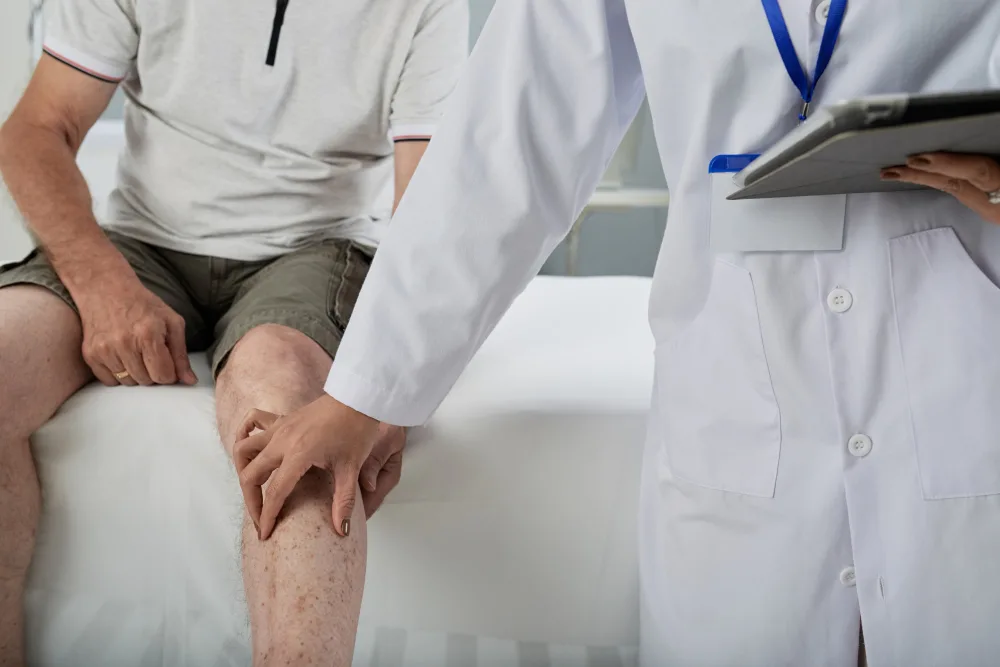
Skeletal health requires deep diagnostic clarity and an individualised treatment path. When managing chronic joint degeneration or complex fractures, consulting a premier orthopaedic surgeon in Delhi helps verify that every surgical option is backed by extensive clinical knowledge.
Modern surgical approaches utilise detailed anatomical mapping and patient-specific structural planning. This comprehensive strategy allows surgeons to accurately reposition bones, secure unstable fractures, and execute highly targeted reconstructions that protect the surrounding healthy tissues, resulting in an optimal recovery path for the patient.
Resolving Motion Blocks through Joint Rebuilding
When cartilage layers break down completely from years of wear, the resulting bone-on-bone friction causes persistent discomfort. Reclaiming active movement requires a reliable technical approach. Selecting the best joint replacement surgeon in Delhi provides access to advanced robotic-assisted alignments and long-lasting biocompatible joint implants.
These advanced joint procedures replace worn articular surfaces with highly durable materials, replicating the natural gliding action of a healthy joint. Precision engineering ensures that mechanical weight is distributed evenly across the skeleton, protecting the surrounding soft tissues, preventing early implant wear, and helping individuals return to a completely mobile lifestyle.
Reconditioning the Kinetic Chain After Impact Injuries
High-performance physical activities frequently push the human frame to its structural limits. When sudden twisting motions or impact forces cause severe ligament tears or meniscus damage, a prompt assessment is essential. A consultation with a dedicated sports injury doctor in Delhi ensures that the recovery protocol directly addresses the functional demands of active people.
The treatment plan prioritises early movement, joint stabilisation, and targeted physical rehabilitation. By combining precise tissue repair with specialised muscle reconditioning, the joint is successfully restabilised, allowing individuals to return to their favourite activities safely without risking early joint wear.
FAQ
- Why is restoring proper leg alignment critical during a joint reconstruction? Ans: Proper alignment ensures that the body's weight is distributed evenly across the new joint surface. If the alignment is slightly off, certain areas will experience excessive friction, leading to premature component wear and potential long-term instability.
- How do robotic assistance systems improve joint replacement surgery? Ans: Robotic systems use detailed digital imaging to create a 3D model of the patient's joint before the procedure. This helps the surgical team execute precise bone cuts and place implants with exceptional accuracy, matching the patient's unique anatomy.
- What is the primary difference between a general bone assessment and a sports medicine checkup? Ans: A general assessment focuses on broad structural issues, bone density, and chronic wear, while a sports medicine checkup evaluates dynamic movement, joint rotation speeds, agility, and the resilience of soft tissues under high physical stress.