Peaberry coffee beans in Hawaii stand out among other varietals and processing methods for their exclusivity, concentrated flavor compounds, and skill. They’re not, in fact, a different breed of bean: it’s more like nature is playing dress-up and they’re the coffee equivalent of red hair or blue eyes, appearing as only about five percent of any given coffee crop. That makes them very desirable to roasters and casual drinkers alike.
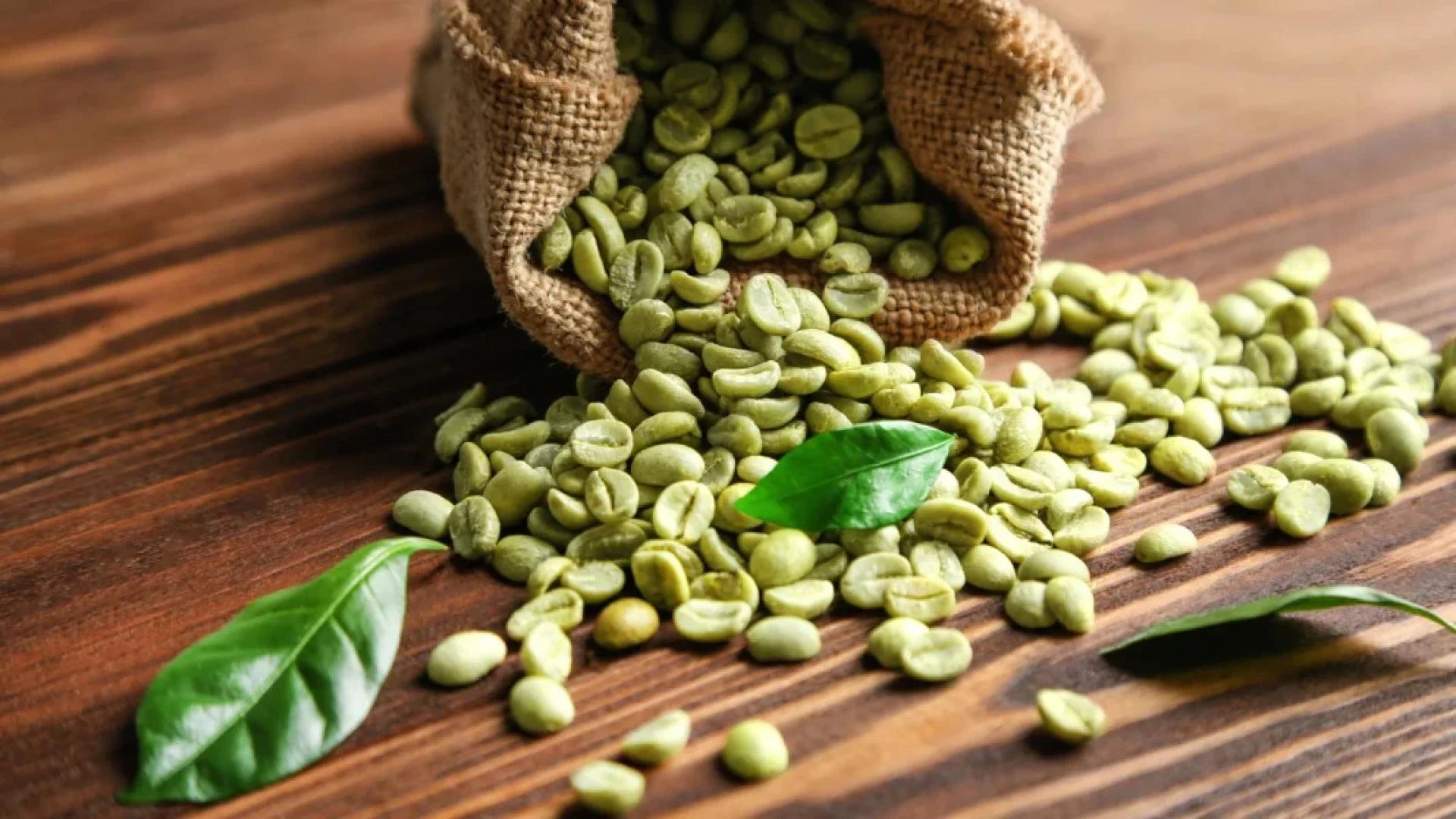
While most coffee cherries yield two flat-sided beans, Peaberries grow into a single, round seed. This more open form roasts the bean more evenly, and often leads to a brighter, livelier cup. These beans are hand-sorted or machine-sorted by farmers, adding scarcity and cost. The added effort is rewarded with flavor — many tasters say Peaberry cups are the smoother, more aromatic, and slightly sweeter versions of their flat-bean counterparts.
The volcanic soil and unique microclimates where Peaberry coffee grows in Hawaii are partly responsible for the character these beans develop. Abundant minerals washed down from volcanic ash, plentiful rain, and cooling trade winds produce the perfect environment. All of these geographical features help to create a balanced acidity and complex flavor profile, which could contain citrus, cocoa, toasted nuts, and occasionally floral undertones depending on the roast level.
Additionally, processing techniques improve these properties. Washed or honey processing is a favorite among many farms in order to retain clarity and emphasize natural sweetness. Light and medium roasts are especially popular because they permit the inherent complexity of the bean to shine through without being overshadowed by roast-derived bitterness. This slight variation in process makes Peaberries an intriguing option for consumers into nuanced, origin-forward coffees.
Sustainably speaking, small-batch growing of Peaberries typically coincides with ethical farming practices. Many producers prioritize quality over quantity, committed as they are to responsible land use, fair labor practices, and long-term soil health. And when consumers opt for coffees like Peaberry coffee beans in Hawaii, they also are supporting family-owned farms and local economies that rely on good stewardship of the land.
Brewing techniques may also affect how these beans show up in the cup. In a pour-over or siphon, those two qualities generally stand out as brightness and aroma, whereas with espresso, they mostly come across in the form of body and sweetness. Fresh grinding and brewing with a precise water-to-coffee ratio is key to making this happen, but no question, your palate will thank you.
In a market cluttered with mass-produced blends, Peaberries are a reminder that rarity, setting, and intent still count. Whether you are a longtime lover of coffee or merely interested in trying something new, experiencing Peaberry coffee beans in Hawaii provides an opportunity to connect to the art behind each perfect mug.
Andrew Wilkes is the author of this article. To know more about Whole Bean Coffee Hawaii, please visit our website: silvercloudcoffee.org.