
Feeding Tomorrow: A Glimpse Into the Future of Food
On a humid afternoon in Singapore’s futuristic vertical farm district, a visitor can witness a silent revolution in food production. Rows of leafy greens flourish under LED lights, nurtured by precise nutrient solutions in a factory-like environment. Nearby, lab-grown seafood is harvested without nets or trawlers, signaling a break from traditional fishing’s ecological toll. By 2026, these scenes are no longer niche experiments but integral parts of a global shift toward sustainable, efficient, and ethical food systems.
Global population projections estimate nearly 9.9 billion people by 2050, intensifying the urgency to rethink food production and consumption. Climate change, biodiversity loss, and resource depletion have exposed the vulnerabilities of conventional agriculture and fisheries. This article unpacks the cutting-edge innovations shaping the future of food, the societal and environmental imperatives driving change, and the challenges ahead. It also explores how these transformations intersect with culture, technology, and policy to redefine what ends up on our plates.
From Tradition to Transformation: The Roots of a Food Revolution
Understanding the future of food requires tracing the arc of its recent history. The 20th century saw the Green Revolution dramatically increase yields through mechanization, chemical fertilizers, and monocultures. While this staved off famine in many regions, it also entrenched environmental costs—soil degradation, water scarcity, and greenhouse gas emissions among them.
The early 21st century brought heightened awareness of these drawbacks alongside rising global demand. In response, innovation in agriculture began emphasizing sustainability and resilience. Precision farming, enabled by drones and AI, allowed optimized resource use. Organic and regenerative practices gained traction. Meanwhile, biotechnology advances led to genetically engineered crops with improved tolerance and nutrition.
Parallel to plant-based innovations, the emergence of alternative proteins—cultivated meat, insect farming, and plant-based analogues—challenged traditional animal agriculture’s dominance. These alternatives promised lower emissions, reduced land use, and ethical benefits. Governments and investors increasingly supported these technologies, recognizing their potential to address multiple crises simultaneously.
This historical context sets the stage for the current wave of innovation. Today’s developments are not incremental improvements but fundamental disruptions driven by converging technological, environmental, and social forces.
Data-Driven Shifts: Core Innovations Reshaping Food Systems
2026 presents a landscape where food innovation is multifaceted and deeply data-driven. The following key domains illustrate this transformation:
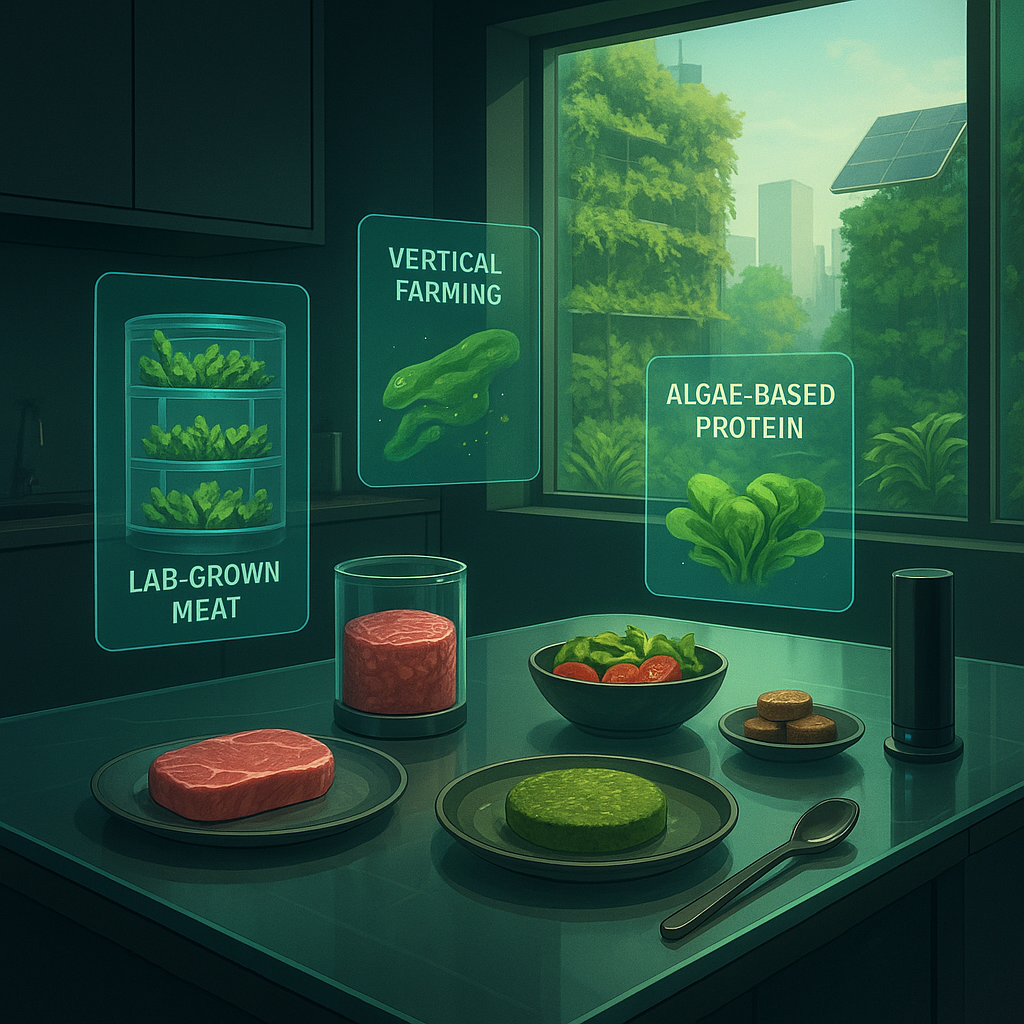
- Cellular Agriculture: Cultured meat and seafood have moved beyond prototypes to commercial scale. Startups like Memphis Meats and BlueNalu have been joined by major food corporations investing billions in bioreactors capable of producing beef, chicken, and fish without animal slaughter. Industry estimates suggest cultured meat could represent 15% of global meat consumption by 2035, significantly reducing methane emissions linked to livestock.
- Vertical and Urban Farming: Space-efficient vertical farms in cities are rapidly expanding, offering fresh produce year-round and cutting transportation emissions. Companies like AeroFarms and Infarm use AI-powered climate control and hydroponics to maximize yields. According to recent reports, vertical farming’s global market reached $15 billion in 2025, with expected annual growth rates of 20% through 2030.
- Precision Nutrition: Advances in genomics and microbiome research enable hyper-personalized diets tailored to individual health profiles. Startups offering AI diet planning based on DNA and gut flora are becoming mainstream, promising better health outcomes and reduced food waste.
- Alternative Proteins: Plant-based meat analogues have matured in taste and texture, capturing significant market share. Beyond soy and pea proteins, novel sources such as mycoprotein and algae are gaining attention for their sustainability credentials.
- Agroecological Practices Enhanced by Technology: Satellite monitoring, IoT sensors, and blockchain traceability support regenerative agriculture, enhancing soil health and biodiversity while enabling transparent supply chains.
These innovations are supported by policy shifts incentivizing sustainability, consumer demand for ethical products, and digital platforms connecting producers and consumers more directly.
“The future of food hinges on marrying technology with ecological stewardship. It’s no longer just about yield but about resilience and health for people and planet.” — Dr. Maria Chen, Food Systems Scientist
Current Developments in 2026: Where We Stand Now
This year marks a watershed moment for food innovation as several breakthroughs reach market maturity and scale. Cultured meat products have gained regulatory approval in 30+ countries, including the United States, European Union members, and China. This expansion has driven prices down, making cell-based proteins competitive with conventional meat.
Meanwhile, urban farming initiatives have penetrated cityscapes worldwide. Singapore’s government-backed projects illustrate how dense urban centers can integrate vertical farms into public housing and commercial districts, reducing urban food deserts and carbon footprints.
On the consumer front, interest in personalized nutrition apps and services has surged. Data privacy and ethical considerations remain hot topics as companies collect sensitive genetic and microbiome data to tailor recommendations.
In parallel, regulatory frameworks are evolving. The European Green Deal’s Farm to Fork strategy has accelerated standards for sustainable labeling and food system transparency. Financial markets have responded with increased ESG investments targeting agri-food technologies.
These developments are intertwined with cultural shifts explored in TheOmniBuzz’s Why Food Culture Is More Than What’s on Your Plate, illustrating how food innovation is reshaping social norms and culinary traditions globally.
“We are witnessing a paradigm shift where food production is no longer a rural, low-tech endeavor but a sophisticated, urbanized ecosystem powered by data and biology.” — Ravi Kumar, CEO of VertiGrow Farms
Industry Perspectives and Impact: Voices from the Field
Industry leaders stress that the future of food is as much about systems integration as it is about isolated technologies. Large agribusiness players are pivoting to hybrid models combining traditional farming with advanced tech, ensuring rural livelihoods while meeting sustainability goals.
Foodservice and retail sectors are adapting rapidly. Chains like BeyondBite and GreenPlate have launched menus featuring cultured meat and vertical farm produce, attracting younger, environmentally conscious consumers. Packaging innovations, including biodegradable and edible options, are also reducing food system waste.
Experts highlight access and equity as critical challenges. Technologies risk exacerbating disparities if not deployed inclusively. Initiatives supporting smallholder farmers with affordable digital tools and training are gaining momentum.
Collaboration across public, private, and civil society sectors is essential. TheOmniBuzz’s How Food Innovation and Sustainability Are Shaping 2026’s Culinary Scene provides in-depth analysis of these collaborative efforts driving systemic change.
- Investment Trends: $75 billion poured into agri-food tech in 2025, with 40% earmarked for sustainability-focused innovations.
- Policy Shifts: 60 countries introduced incentives for regenerative farming and alternative protein research since 2024.
- Consumer Behavior: Surveys show 70% of millennials prioritize sustainable sourcing when purchasing food.
Looking Ahead: What to Watch in Food Innovation’s Next Decade
The trajectory of food innovation suggests several critical areas to monitor through 2035 and beyond:
- Scaling Cellular Agriculture: Achieving cost parity and environmental gains at commercial scale will be pivotal. Success here could redefine animal agriculture globally.
- Integration of AI and Robotics: Autonomous farming equipment and AI-driven supply chains promise increased efficiency and reduced waste, but raise questions about labor impacts.
- Policy and Ethical Frameworks: As technologies evolve, frameworks addressing data privacy, labeling transparency, and equitable access will shape acceptance and impact.
- Climate Resilience: Food systems must adapt to increasing climate shocks. Innovations in drought-resistant crops and closed-loop systems will be critical.
- Cultural Adoption and Gastronomy: Food innovation must balance technological advances with respect for culinary heritage and consumer preferences to succeed widely.
The future of food is a complex interplay of biology, technology, culture, and policy. It demands a holistic approach that aligns innovation with sustainability and social justice. TheOmniBuzz will continue to track these developments, providing readers with expert insights and actionable perspectives.
Understanding these trends offers not just a glimpse of tomorrow's meals but a roadmap to a more resilient and equitable food future.