
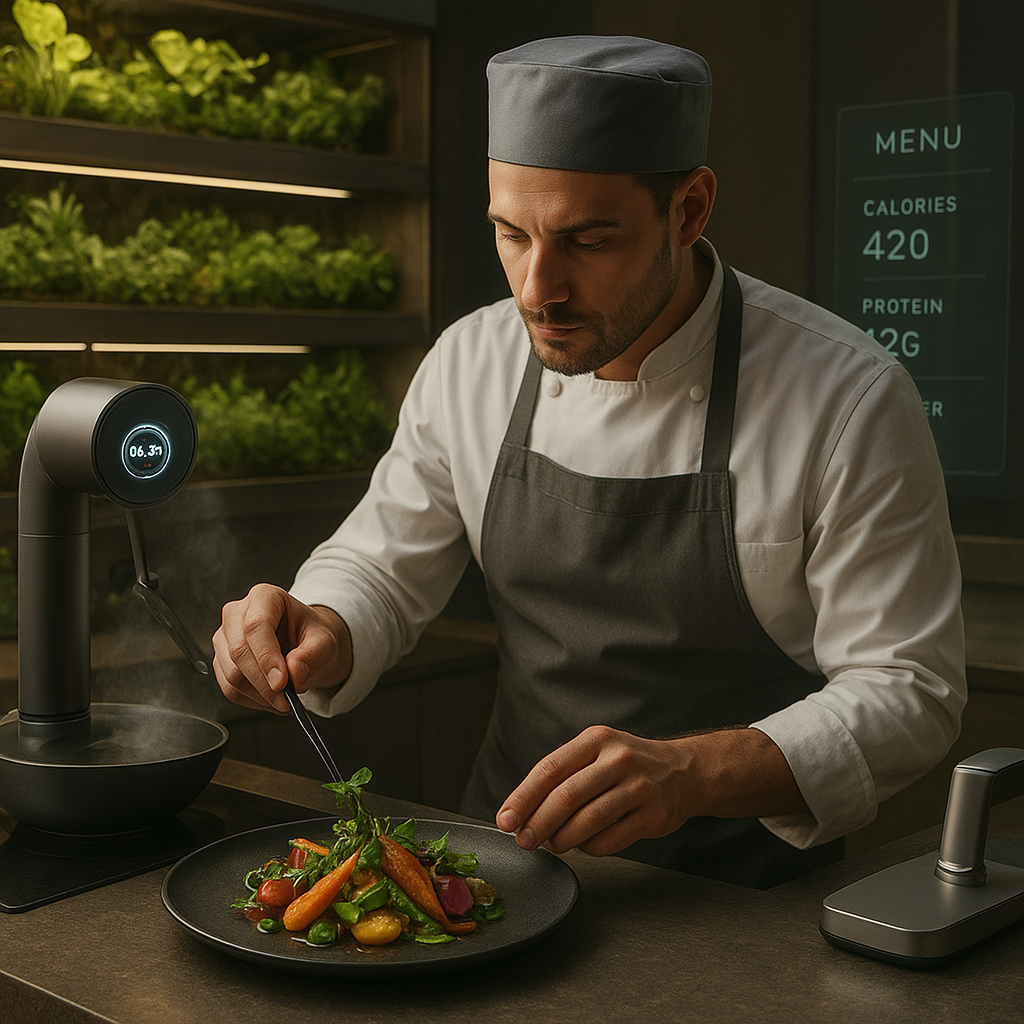
Setting the Table: A Glimpse into 2026’s Food Landscape
On a bustling street corner in Copenhagen, a food truck serves a dish that epitomizes 2026’s food revolution: a protein-packed meal crafted entirely from lab-grown meat, local seaweed, and ancient grains. This scene, replicated in cities from Singapore to São Paulo, illustrates the profound transformation underway in how we source, prepare, and consume food. The year 2026 marks a pivotal moment where technological breakthroughs meet urgent sustainability imperatives, resulting in culinary innovations that promise to redefine diets globally.
Food security, climate change, consumer health, and cultural preservation are no longer isolated concerns—they converge in today’s food trends. The United Nations’ 2025 Food Systems Summit set the stage for widespread commitments to sustainable food systems, and now, two years later, tangible shifts are visible on plates worldwide. From AI-assisted agriculture to regenerative farming and the rise of alternative proteins, the food sector is adapting rapidly.
“The food industry in 2026 is less about tradition and more about transformation—balancing taste, nutrition, and planetary health in unprecedented ways,” says Dr. Lina Moritz, a leading food technologist based in Berlin.
Tracing the Roots: How Past Decades Led to Today’s Trends
To appreciate 2026’s food trends, one must consider the trajectory that began in the early 2020s. The COVID-19 pandemic exposed vulnerabilities in global supply chains and accelerated consumer demand for transparency and sustainability. Simultaneously, climate crises intensified, compelling policymakers and businesses to rethink food production’s environmental footprint.
By 2023, plant-based diets had moved beyond niche markets, with consumer spending on meat alternatives surpassing $35 billion globally, according to industry analysts. Concurrently, vertical farming and precision agriculture began scaling, leveraging drones, sensors, and AI to optimize yields with minimal land and water use.
Moreover, regulatory frameworks evolved. The European Union’s Food Sustainability Act of 2024 mandated clear labeling of carbon footprints on packaged foods, encouraging manufacturers to innovate greener processes. North America and Asia soon followed suit with similar legislation, catalyzing a global shift towards accountability.
Technological advances played a key role. Cultured meat, once a speculative concept, received regulatory approvals in over a dozen countries by 2025, enabling commercial-scale production. Synthetic biology permitted the creation of novel proteins and flavor molecules, expanding culinary possibilities without relying on traditional agriculture.
“The intersection of technology and ecology is reshaping food systems in ways unimaginable a decade ago,” notes Professor Keisha Tan of the Global Food Innovation Institute.
Data-Driven Trends: What 2026 Reveals About Food Consumption
Recent data from the International Food Policy Research Institute (IFPRI) highlights several compelling trends defining 2026’s food ecosystem. First, alternative proteins constitute an estimated 22% of the global protein market, up from just 8% in 2020. Lab-grown meat leads in consumer acceptance, preferred for its taste parity with traditional meat and significantly lower emissions.
Second, functional foods—those enriched with probiotics, adaptogens, and personalized nutrition profiles—have surged. Over 40% of consumers in developed economies report prioritizing foods targeted at specific health outcomes, from cognitive enhancement to gut health.
Third, food waste reduction technologies, including smart packaging and AI-enabled inventory management in retail, have cut household and commercial waste by 18% worldwide since 2023.
These trends manifest in diverse culinary phenomena:
- Hybrid menus: Restaurants now blend plant-based, cultured, and traditional ingredients, catering to diverse tastes and environmental considerations.
- Regenerative farming produce: Demand for foods grown using soil-restorative methods has increased by 30%, supported by certification programs.
- Digital gastronomy: AI-powered recipe development and augmented reality dining experiences are becoming mainstream.
Comparisons reveal stark contrasts with 2010s consumption patterns. Traditional animal protein reliance has declined steadily, while consumer values increasingly emphasize ethical sourcing and ecological impact.
2026 Spotlight: Breakthroughs and Market Shifts
This year, food tech startups and established corporations alike are accelerating innovation. Notable developments include:
- Commercial Cultured Meat Expansion: Companies such as Meatrix and NovoFoods have launched affordable cultured chicken and seafood lines, with production costs dropping below $10 per pound. These products are now available in major supermarkets across Europe, North America, and parts of Asia.
- Seaweed as a Superfood Staple: Global seaweed cultivation has tripled since 2020, driven by its nutritional density and carbon sequestration potential. Culinary applications have expanded beyond snacks to include flours, protein powders, and plant-based dairy alternatives.
- Smart Farming 3.0: Integration of AI, robotics, and gene editing tools in agriculture has improved crop resilience and yield predictability. Urban vertical farms equipped with autonomous systems are proliferating, reducing transport emissions.
- Personalized Nutrition Platforms: Apps leveraging genetic, microbiome, and lifestyle data now tailor meal plans and recommend food products dynamically. These services are supported by partnerships between tech companies and food brands.
The market impact is significant. The global alternative protein market is projected to reach $140 billion by 2030, fueled by 2026’s innovations. Consumer behaviors also reflect shifting priorities, with surveys indicating that 58% of millennials and Gen Z consumers consciously reduce meat consumption for environmental reasons, according to recent research from NielsenIQ.
Voices from the Field: Industry Leaders and Expert Insights
Industry leaders emphasize the dual challenge of innovation and inclusivity. "Ensuring that sustainable, nutritious food is accessible to all income levels is our paramount objective," says Maria Gonzales, CEO of GreenBite Foods. "Our 2026 product launches focus on affordability alongside sustainability."
Meanwhile, agricultural scientists advocate for a balanced approach. Dr. Rajiv Patel of the International Crop Research Institute notes, "Technological advances must complement, not displace, traditional farming knowledge, especially in vulnerable regions."
“Food innovation is not just a luxury for affluent societies but a necessity for global equity and health,” stresses Dr. Patel.
Restaurants and chefs are also adapting. Michelin-starred chef Amina Okoro incorporates cultured meats and native grains to craft menus that celebrate heritage while embracing future-forward ingredients. "Our culinary identity evolves by honoring the past and experimenting with new food technologies," she explains.
Investors have taken notice. Venture capital funding in food tech hit $15 billion in 2025, underscoring confidence in the sector’s growth trajectory. Public policy is increasingly aligned, with governments incentivizing sustainable agriculture and food innovation startups.
Looking Ahead: What to Watch in Food’s Next Chapter
Several trends warrant close attention as 2026 progresses into the latter half of the decade:
- Regulatory harmonization: International standards for novel foods and sustainability metrics will shape market access and consumer trust.
- Consumer education: Transparency tools, including blockchain-based traceability, will empower informed choices but require broad adoption.
- Climate resilience: Food systems must adapt to increasing climate variability; innovations in drought-resistant crops and decentralized food production are critical.
- Cultural integration: Successful food innovations will blend technological advances with respect for culinary traditions and social contexts.
Stakeholders at every level—from farmers to tech entrepreneurs to policymakers—must collaborate to ensure food systems remain equitable, nutritious, and sustainable. As highlighted in our coverage of personal finance trends in 2026, consumer spending power and priorities are shifting, influencing demand for ethical and innovative food choices.
Likewise, the intersection with technology sectors, discussed in software development trends, reveals how AI and data analytics underpin many food innovations, from precision agriculture to personalized diets.
Case Studies: Real-World Innovations Making Impact
1. NovoFoods Cultured Chicken Launch
In early 2026, NovoFoods introduced its cultured chicken line in European supermarkets at competitive prices. Consumer trials showed a 95% satisfaction rate for taste and texture, with a carbon footprint 80% lower than conventionally farmed chicken. NovoFoods’ success is attributed to breakthroughs in bioreactor efficiency and public-private partnerships facilitating scale-up.
2. SeaGreen Farms’ Regenerative Seaweed Project
SeaGreen Farms operates one of the world’s largest seaweed cultivation farms off the coast of Norway. Their seaweed is certified regenerative, supporting ocean health and biodiversity. Sales have grown by 150% since 2024, supplying ingredients to food manufacturers and cosmetics brands alike.
3. UrbanHarvest Vertical Farms in Singapore
UrbanHarvest’s network of automated vertical farms produces leafy greens and herbs year-round using 90% less water than traditional farms. Their integration with AI-driven supply chain platforms reduces waste and ensures fresh produce availability even during disruptions.
These examples underscore the multifaceted advances fueling 2026’s food trends—combining sustainability, technology, and consumer preferences.
Concluding Thoughts: Embracing a New Food Paradigm
The food trends of 2026 are emblematic of broader societal shifts toward sustainability, health consciousness, and technological integration. While challenges remain—such as ensuring equitable access and navigating regulatory complexities—the momentum is undeniable. As global populations grow and environmental pressures mount, innovative food systems offer pathways to nourish people and planet alike.
These developments also highlight the interconnectedness of various sectors and disciplines, reinforcing the value of cross-cutting expertise and adaptive policies. For readers seeking deeper insights into how technology drives change across industries, our coverage of cybersecurity trends reveals parallel challenges and innovations critical to securing digital food supply chains.
Ultimately, 2026 invites us to rethink what food means—not just as sustenance but as a complex cultural, economic, and ecological system. The choices made today will shape diets and health outcomes for decades to come.