For most Seattle homes, R19 provides more insulation value than R15 or R13, but the highest R-value is not automatically the best choice for every wall. The correct option depends on the wall cavity, framing, insulation type, moisture conditions, and whether the wall is interior or exterior.
For many exterior wood-frame walls, Seattle and Washington code requirements use insulation assemblies that combine cavity insulation with continuous insulation. The current Washington residential energy code lists options such as R20 + R5 or R13 + R10 for wood-frame walls in the Marine 4 and Climate Zone 5 categories. Washington's current residential wall insulation requirements show why choosing between R13, R15, and R19 cannot be based on the label alone.
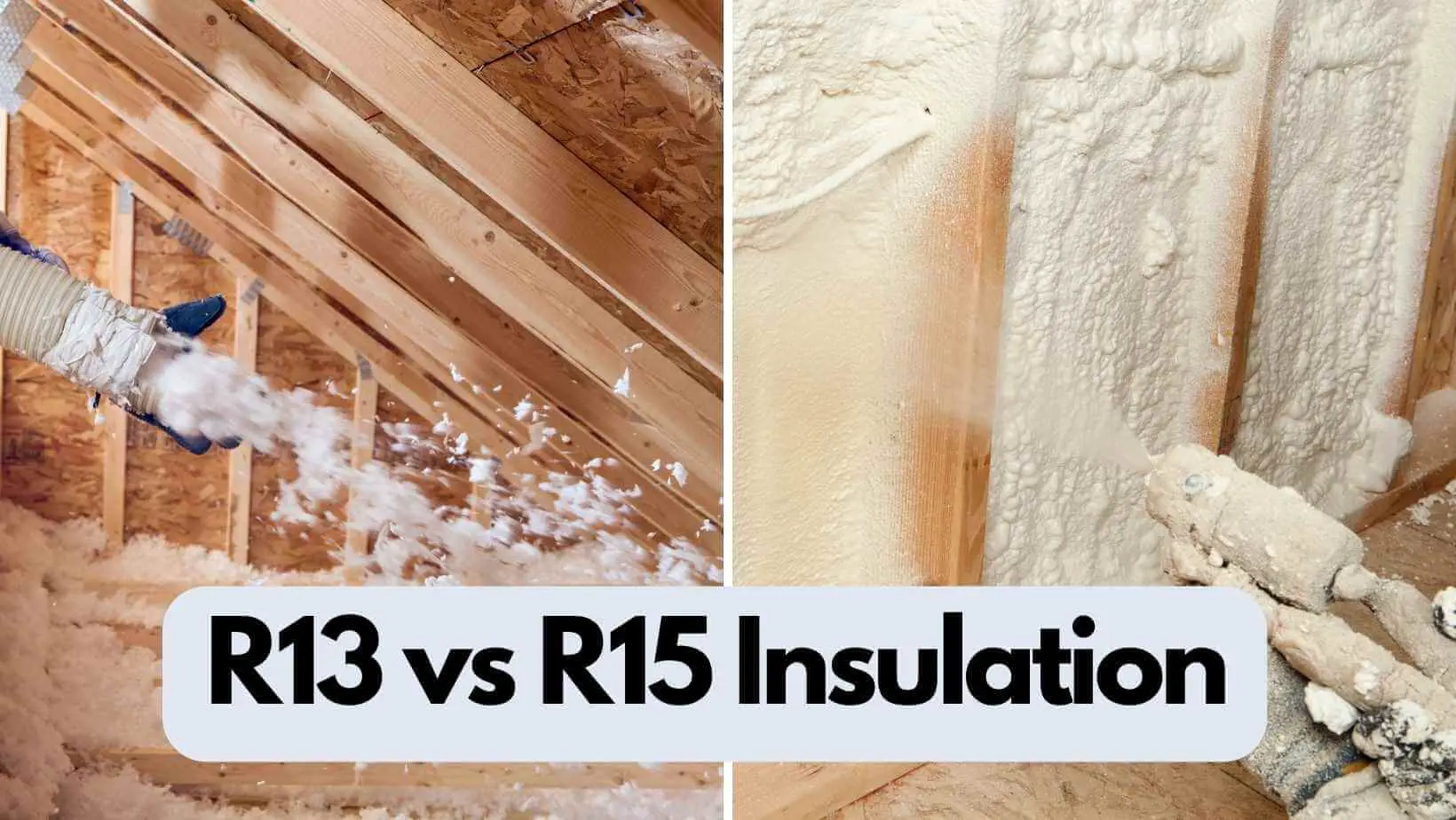
R13 vs R15 vs R19 At A Glance
The practical difference is simple: R19 offers the highest rated resistance to heat flow, followed by R15 and then R13. But the insulation must fit the wall correctly and be part of an appropriate assembly.
R-ValueRelative Thermal ResistanceCommon ConsiderationSeattle Exterior-Wall UseR13Lowest of the threeUseful where cavity or assembly conditions limit the available insulationUsually needs additional insulation to meet current prescriptive wall requirementsR15ModerateUseful when a suitable product and cavity allow itNot automatically sufficient by itselfR19Highest of the threeStronger thermal resistance when the cavity supports proper installationMay be part of an assembly, but code compliance depends on the complete wallR-value measures resistance to heat flow. The U.S. Department of Energy explains that R-value depends on factors including insulation type and thickness, so two products with different construction characteristics should not be judged only by the number on the package. DOE guidance on insulation and R-value
Why R-Value Matters In Seattle Homes?
Seattle has a heating-dominated period during the cooler months, so controlling heat loss through the building envelope matters for comfort and energy performance. Higher insulation resistance can reduce heat transfer through insulated portions of a wall. However, wall performance also depends on framing, windows, air leakage, thermal bridges, and other parts of the building envelope.
Seattle's energy code specifically addresses walls, roofs, windows, and air leakage in new and remodeled buildings. The city currently uses the 2021 Seattle Energy Code, with provisions that largely align with the 2021 Washington State Energy Code. Seattle's current Energy Code information explains how the requirements apply to different building types and projects.
When R13 Makes Sense?
R13 can be practical when the available wall cavity, existing framing, or selected assembly limits the insulation thickness. It may also appear in code-compliant wall assemblies when paired with continuous insulation. That is an important distinction. R13 alone is not the same thing as an R13-plus-continuous-insulation wall assembly.
For an older Seattle property being remodeled, the existing wall may have unusual dimensions or framing that make a direct comparison between insulation ratings less useful.
A contractor should first inspect:
- The actual cavity depth and framing layout before selecting insulation.
- Existing insulation and whether it needs removal or replacement.
- Signs of water intrusion, condensation, or damaged framing.
- Wiring, plumbing, and other obstacles inside the wall.
- The applicable requirements for the type and scope of the project.
When R15 Makes Sense?
R15 sits between R13 and R19 in rated thermal resistance. It can be attractive when a suitable insulation product fits the available cavity and provides a performance upgrade without changing the entire wall design. The key is proper fit. A higher-rated product that is compressed or installed incorrectly may not deliver its labeled performance.
R15 can therefore make sense in a specific assembly where the product is designed for that cavity, and the overall wall meets the required thermal performance. It should not be selected simply because it has a higher number than R13.
When R19 Makes Sense?
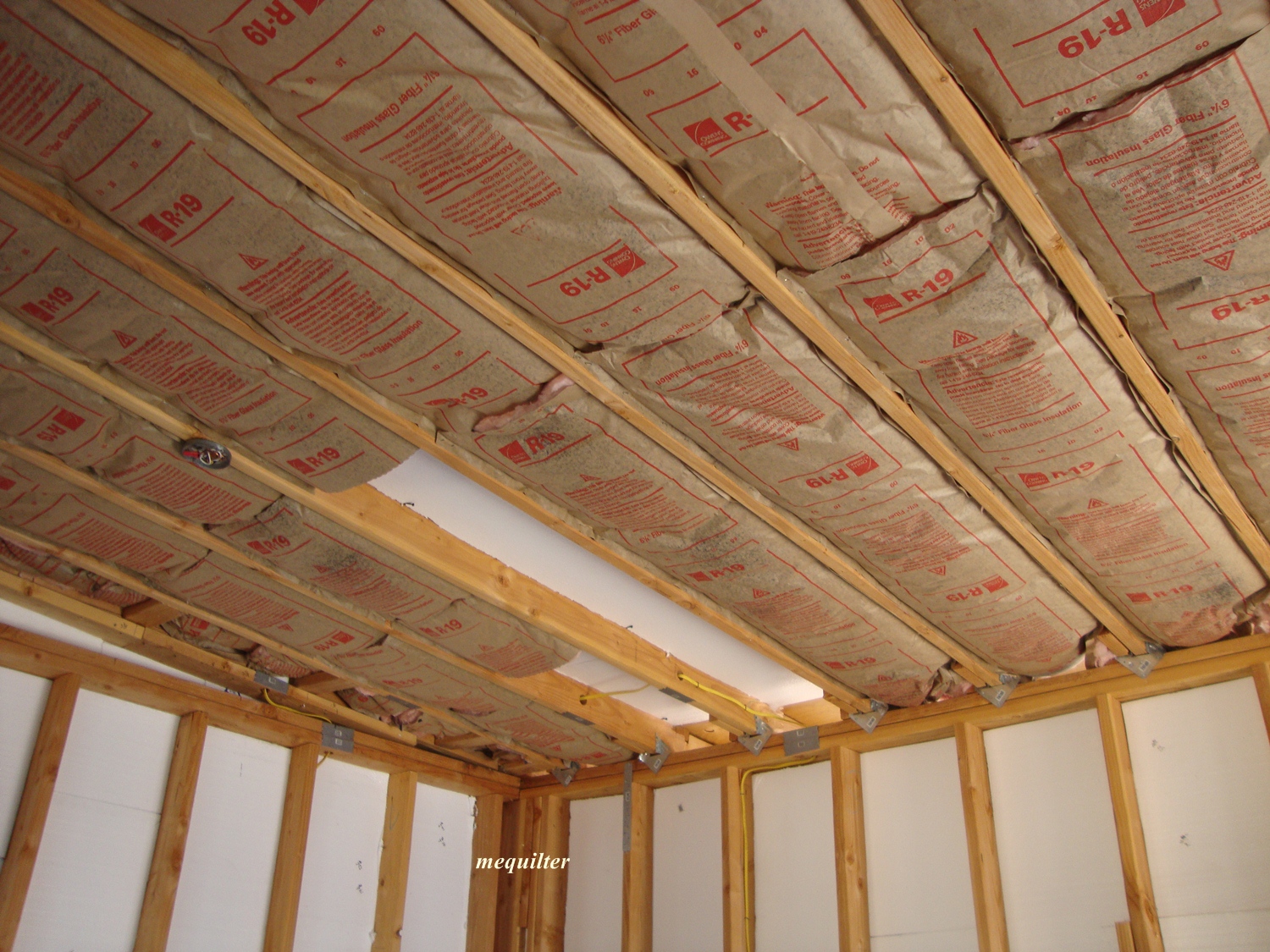
R19 provides the highest rated thermal resistance among these three choices. It can be a strong option when the wall cavity is deep enough, and the insulation can be installed without compromising the assembly. For example, a deeper framed wall may provide enough space for an R19 batt or another insulation system designed for that cavity.
However, R19 is not automatically the best answer for every Seattle wall. If the cavity is too shallow, forcing R19 into it can create compression or installation problems.
The better question is: What wall assembly can provide the required performance while allowing the insulation to be installed correctly?
Pros And Cons Of R13, R15, And R19
R13 Insulation
Pros
- Can work well in assemblies designed around a lower cavity insulation rating.
- May be combined with continuous insulation to create a higher-performing exterior wall.
- Can be practical where existing wall conditions limit insulation depth.
Cons
- Provides less rated thermal resistance than R15 or R19.
- Usually should not be treated as sufficient by itself for a current exterior wall assembly.
- May provide less performance when the wall can properly accommodate a higher-rated option.
R15 Insulation
Pros
- Provides more rated resistance than R13.
- Can be useful when a compatible product fits the available cavity.
- May provide a practical middle ground for certain renovation or construction assemblies.
Cons
- Availability and cavity fit depend on the insulation product.
- It does not automatically satisfy exterior-wall insulation requirements.
- A higher rating does not replace proper air sealing and installation.
R19 Insulation
Pros
- Provides the highest rated resistance of the three options.
- Can be useful in deeper wall cavities where the product fits correctly.
- May improve thermal performance when used as part of a properly designed wall assembly.
Cons
- May not fit shallow cavities without compression.
- Costs can be higher depending on the product and installation.
- R19 alone does not guarantee code compliance or excellent whole-wall performance.
Common Problems Seattle Homeowners Face
One common mistake is choosing insulation based only on the R-value printed on the package. A homeowner may see R19 and assume it will always outperform a properly designed R13 assembly. That is not necessarily true when the R19 product does not fit the cavity or when the wall has significant thermal bridging and air leakage.
Older Seattle homes can also have existing moisture issues, previous renovations, or framing configurations that complicate insulation installation.
Before insulating, look for:
- Moisture damage: Wet framing or water intrusion should be addressed before the wall is enclosed.
- Air leaks: Openings around pipes, wires, windows, and other penetrations can affect overall wall performance.
- Compressed insulation: Insulation should be installed according to the product's design and cavity requirements.
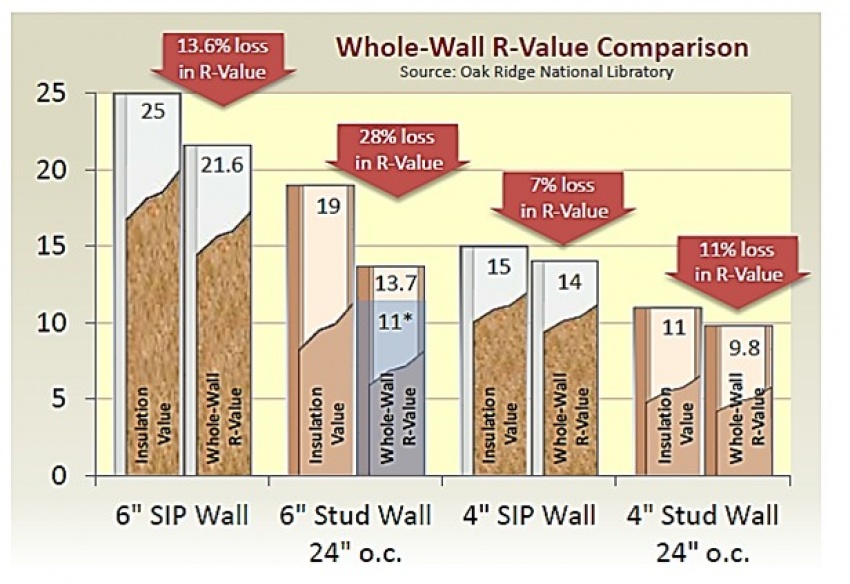
- Thermal bridging: Wood framing conducts heat differently from insulated cavities, so cavity insulation does not eliminate every heat-transfer path.
- Code requirements: Remodels and additions may have different requirements from simple repairs.
How Seattle Weather Affects Insulation?
Seattle's wet climate makes moisture control an important part of insulation work. Rain itself does not determine whether a wall should use R13, R15, or R19. Instead, the condition of the wall and the construction details matter. During a renovation, opening an exterior wall gives the contractor an opportunity to check for leaks, wet sheathing, damaged framing, and other problems before new insulation is installed.
For exterior insulation work, material handling and installation conditions can also depend on the specific product and manufacturer's requirements.
What R-Value Is Best For Seattle Walls?
There is no single R-value that is best for every Seattle property.
- For a shallow wall cavity, R13 may be more practical than trying to force a thicker insulation product into limited space.
- For a suitable cavity where R15 can be installed correctly, it can provide more rated resistance than R13.
- For a deeper cavity, R19 may offer the strongest thermal resistance among these three options.
For current exterior-wall construction, however, homeowners should look beyond these individual numbers. Washington's residential code allows specific combinations of cavity and continuous insulation, so the complete wall assembly needs to be evaluated.
Why Choose A Professional Insulation Contractor?
A professional insulation contractor in Seattle, WA can evaluate the existing wall before recommending a product. That assessment should consider cavity dimensions, framing, moisture, air leakage, existing insulation, and the project's applicable code requirements.
For homeowners comparing R13 insulation Seattle WA, R15 insulation Seattle WA, and R19 insulation Seattle WA options, this approach prevents a common mistake: paying for a higher R-value that the existing wall cannot use effectively. Cascadia Spray Foam Insulation of Seattle can evaluate the property's insulation needs and discuss whether spray foam or another insulation method is appropriate for the wall assembly.
Conclusion
When comparing R13 vs R15 vs R19 insulation in Seattle, WA, R19 has the highest rated thermal resistance, while R15 sits between R13 and R19.
But the highest number is not automatically the right choice. Cavity depth, installation quality, moisture control, air sealing, framing, and the complete wall assembly all affect real-world performance.
For exterior walls, current Seattle and Washington requirements may call for combinations of cavity and continuous insulation rather than simply choosing one R-value.
Get Professional Home Insulation Services In Seattle
If you are planning a remodel, addition, new construction project, or insulation upgrade, Cascadia Spray Foam Insulation of Seattle can help you evaluate the wall assembly and choose a practical insulation approach.
Call (425) 386-3500 or email [email protected] to discuss your project.
FAQs
Is R19 Better Than R15 Insulation?
R19 has a higher rated thermal resistance than R15. However, R19 is only the better practical choice when it fits the wall cavity and works with the overall wall assembly.
Is R15 Better Than R13 Insulation?
R15 has a higher rated R-value than R13. Whether it is the better choice depends on the insulation product, cavity depth, installation conditions, and the requirements for the specific wall.
What R-Value Is Best For Exterior Walls In Seattle?
There is no single answer for every project. Current Washington residential requirements allow wall assemblies such as R20 plus continuous insulation or R13 plus continuous insulation, depending on the applicable provisions and project.
Can R19 Be Used In A 2x4 Wall?
R19 may not be appropriate for every 2x4 cavity because product thickness and cavity dimensions matter. Compressing insulation can affect its performance, so the specific product should be checked before installation.
Does Higher R-Value Always Mean Better Insulation?
No. A higher R-value can provide greater resistance to heat flow, but installation quality, air leakage, thermal bridging, moisture, and the complete wall assembly also affect performance.
Is R13 Enough For A Seattle Home?
R13 may be appropriate for certain interior walls or as part of a larger exterior-wall assembly. It should not automatically be assumed to satisfy current exterior-wall requirements by itself.
Author & Reviewer
Author: Melissa Grant is the owner of Cascadia Spray Foam Insulation, with over 10 years of hands-on experience in spray foam insulation. She is committed to delivering efficient, durable insulation solutions while providing excellent customer service and helping homeowners and businesses improve comfort and energy efficiency.
Reviewer: Olivia Thompson has spent 10 years working in spray foam insulation and helping companies grow their visibility. She reviewed this article and provided valuable suggestions on how to better align the content with customer needs and expectations.