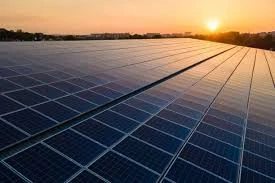
PV Solar Panel Market reflects a dynamic environment where residential, commercial, and utility-scale projects are expanding. Innovative technologies, energy storage integration, and supportive government policies are reshaping market structure, creating new opportunities, and guiding investment strategies toward sustainable energy adoption and long-term growth.
Regional Market Dynamics
The PV Solar Panel Market landscape varies across regions. Asia-Pacific leads in installations due to strong government support, low manufacturing costs, and high energy demand. Europe focuses on sustainability and carbon reduction targets, while North America emphasizes technological innovation and large-scale utility projects. Emerging regions in Africa and Latin America show rapid adoption due to electrification needs and renewable energy programs.
Competitive Landscape
Market competition is intense, with manufacturers, developers, and service providers striving to differentiate through technology, pricing, and service quality. Leading players invest in high-efficiency panels, research and development, and strategic partnerships to maintain market share. New entrants and regional players create dynamic competition, fostering innovation and improving affordability for end-users.
Technological Landscape
Technological developments are a major factor shaping the market. High-efficiency panels, bifacial and tandem cells, and perovskite technologies improve energy output. Smart monitoring systems, AI-driven management, and integration with energy storage enhance performance and reliability. These technologies define the competitive edge and future opportunities within the solar sector.
Policy and Regulatory Framework
Government policies and regulations are central to the market landscape. Incentives, tax credits, subsidies, and renewable energy mandates encourage investment and adoption. Policy consistency and long-term frameworks provide confidence to investors, supporting large-scale projects and accelerating market growth. Variability in policy frameworks across regions affects market dynamics and investment decisions.
Market Segmentation
The PV Solar Panel Market landscape is segmented by application, technology, and installation scale. Residential rooftops, commercial buildings, industrial facilities, and utility-scale projects represent key segments. Segmentation allows targeted strategies for manufacturers and developers, addressing specific customer needs and optimizing energy production efficiency.
Investment and Financing Landscape
Innovative financing solutions shape the market landscape, enabling broader adoption. Power purchase agreements, solar leases, community solar programs, and green bonds reduce upfront costs for users and ensure returns for investors. Investment strategies increasingly focus on sustainability, risk mitigation, and long-term profitability within the solar sector.
Emerging Opportunities
The market landscape is expanding with emerging opportunities in floating solar, building-integrated photovoltaics (BIPV), and hybrid systems. Off-grid and mini-grid applications in remote regions present untapped potential. Sustainable manufacturing practices and recycling initiatives also create new avenues for growth and differentiation in a competitive market.
Challenges in the Landscape
Despite opportunities, challenges such as high initial costs, supply chain constraints, grid integration issues, and regulatory uncertainties persist. Addressing these challenges is essential to maintain a balanced and resilient market landscape that supports sustainable growth and ensures solar energy adoption remains viable.
Strategic Outlook
Understanding the PV Solar Panel Market landscape is crucial for stakeholders to identify opportunities, manage risks, and invest strategically. Collaboration between manufacturers, developers, policymakers, and investors ensures alignment with sustainability goals, technological advancement, and global energy transition initiatives.
The PV Solar Panel Market landscape is characterized by regional diversity, technological innovation, policy support, and emerging opportunities. Strategic investments, collaboration, and innovation are essential for navigating this dynamic environment and fostering sustainable growth in the global solar energy sector.