Skin gradually changes with age, environmental exposure, and natural variations in cellular activity. Fine lines, uneven texture, reduced elasticity, and changes in overall skin quality can reflect these processes. As aesthetic medicine continues to explore regenerative approaches, platelet rich plasma has gained attention for its potential role in supporting skin renewal. Understanding the science behind this treatment helps explain how it works, what it may offer, and why individual assessment remains important.
Understanding Platelet Rich Plasma
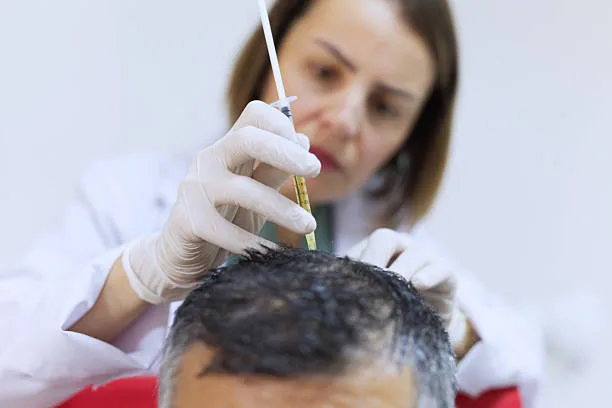
Platelet rich plasma, commonly known as PRP, is prepared from a small sample of the patient's own blood. The sample is processed using a specialised centrifugation technique to separate its components and concentrate platelets within the plasma. Platelets contain growth factors and signalling molecules that participate in the body's natural processes of tissue repair and healing.
These biological components play a role in cellular communication and the tissue response to injury. In aesthetic medicine, researchers are investigating how PRP may influence collagen production, tissue remodelling, and aspects of skin quality. Collagen is an important structural protein that contributes to skin firmness, resilience, and texture.
The effectiveness of PRP depends on several variables, including platelet concentration, preparation methods, administration technique, and the individual's biological response. For this reason, treatment protocols and outcomes can differ between patients and clinical settings.
How PRP May Support Skin Renewal
The potential benefits of PRP are linked to the biological activity of concentrated platelets. When introduced into targeted areas, the growth factors released by platelets may influence cellular signalling involved in tissue repair and regeneration.
Supporting Collagen Production
Collagen helps maintain the skin's structural framework. As natural collagen production changes with age, the skin may gradually develop fine lines and reduced firmness. PRP is being studied for its potential to support collagen related activity and improve certain aspects of skin texture. However, the degree of improvement varies, and current evidence does not establish uniform results for every aesthetic concern.
Improving Skin Texture and Appearance
Some patients explore PRP to address concerns such as uneven texture, mild fine lines, and overall skin quality. Depending on the treatment approach, PRP may be used alone or alongside procedures such as microneedling. Combining treatments may influence the skin's response, but the suitability of each approach requires professional evaluation.
People considering prp skin treatment should understand that outcomes depend on their skin characteristics, treatment goals, and the protocol selected by their practitioner.
What Should You Consider Before Treatment?
A personalised consultation is an important first step when evaluating PRP. A qualified medical professional can assess the skin, review medical history, and determine whether the procedure is appropriate.
Several factors deserve attention:
- Individual skin concerns: The treatment plan should reflect specific goals and the condition of the skin.
- Preparation and technique: Appropriate processing, sterile handling, and precise administration are essential considerations.
- Medical history: Certain health conditions, blood disorders, and medications may affect suitability.
- Treatment schedule: Some individuals may require multiple sessions, depending on their concerns and clinical assessment.
- Realistic expectations: Results are variable, and PRP cannot guarantee a particular cosmetic outcome.
Recovery and Realistic Expectations
Temporary redness, swelling, tenderness, and bruising may occur following treatment. Recovery depends on the administration method, treatment area, and individual sensitivity. Following professional aftercare instructions can help support recovery and reduce avoidable irritation.
Scientific evidence for PRP in aesthetic medicine varies according to the indication, preparation method, and treatment protocol. Although early findings are encouraging for certain applications, further high quality research is needed to clarify its effectiveness and establish consistent treatment standards.
Ultimately, PRP offers an approach to aesthetic care that draws on the body's own biological components. A consultation with an experienced medical professional can clarify its potential benefits, limitations, contraindications, and alternatives. An evidence informed decision helps ensure that treatment choices align with individual needs, skin health, and realistic expectations.