
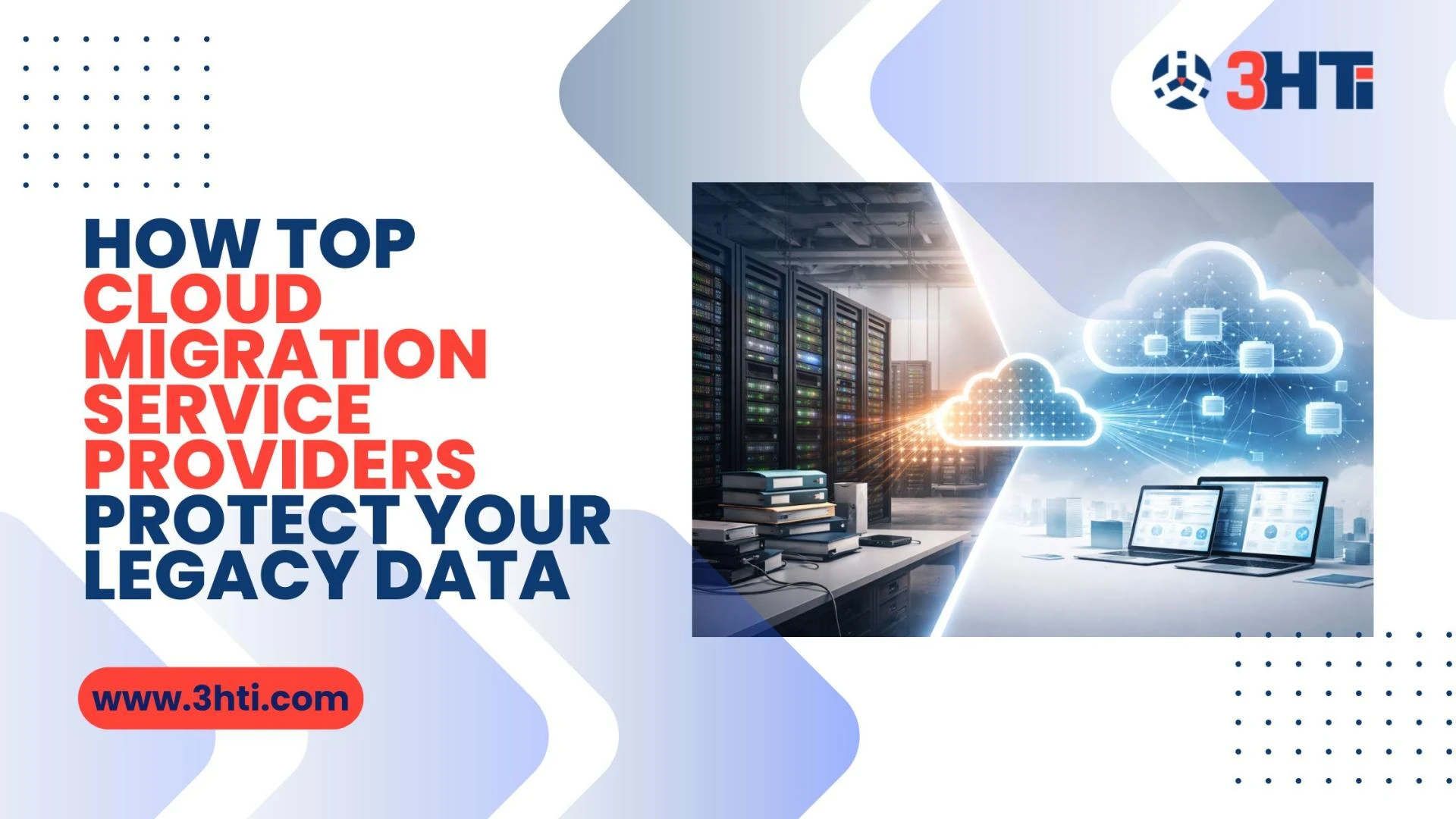
The transition from on-premise infrastructure to a distributed network is no longer a luxury for modern enterprises; it is a prerequisite for staying competitive in a digital-first economy. However, for organizations rooted in decades of proprietary data, the process is often fraught with anxiety. The primary concern is rarely about the cloud's potential, but rather the safety of the "legacy" assets—the historical intellectual property, complex databases, and engineering archives that form the bedrock of the company.
Top cloud migration service providers understand that data protection is not a single event but a continuous discipline. These experts specialize in bridging the gap between aging hardware and agile, high-performance environments, ensuring that valuable institutional knowledge remains intact, accessible, and secure throughout the journey.
Strategic Frameworks for Legacy Data Preservation
Successfully moving legacy systems requires more than just a "lift and shift" approach. When organizations engage with sophisticated cloud migration service providers, they are seeking a methodology that respects the fragility of old data formats while preparing them for modern scalability.
The process typically begins with a rigorous audit. Legacy data often exists in silos, stored in formats that may not be natively compatible with modern cloud APIs. Top-tier providers utilize specialized tools—such as the Legacy Data Migration Extension (LMX) often found in engineering ecosystems—to map these dependencies before a single byte is moved. This ensures that relationships between files, metadata, and historical versions remain consistent in the new environment.
Furthermore, cloud managed services play a vital role in this phase by providing the governance frameworks necessary to categorize data. By identifying what is mission-critical versus what can be archived, providers reduce the "noise" during migration, thereby lowering the risk of data corruption or loss.
The Role of Redundancy and Encryption in Transition
A hallmark of expert cloud migration service providers is their obsession with security protocols. Protecting legacy data during transit involves layers of defense that go far beyond simple password protection.
- End-to-End Encryption: Data is encrypted at the source, while in transit, and at rest in the new cloud destination. This ensures that even if a packet is intercepted, the information remains unreadable.
- Point-in-Time Recoverability: Before the migration commences, providers establish comprehensive snapshots of the legacy environment. This allows for an immediate "roll-back" should any unforeseen incompatibility arise during the cutover.
- Validation Checksums: To guarantee data integrity, providers use automated validation scripts. These compare the source data to the migrated data down to the bit level, ensuring that no information was dropped or altered during the move.
Maximizing Operational Continuity with Cloud Managed Services
Once the data has successfully landed in its new home, the focus shifts from migration to optimization. This is where cloud managed services become indispensable. Legacy data is often "heavy"—it requires significant resources to index and search. Without proper management, these assets can become "dark data," costing money to store but providing no value.
Top providers implement cloud management services to monitor the health of these newly migrated systems 24/7. This includes dashboard monitoring to track performance metrics and automated alerts for any unauthorized access attempts. For industries like aerospace, medical devices, and automotive, this level of oversight is mandatory for maintaining compliance with ISO and ITAR standards.
By utilizing cloud managed services, companies can offload the burden of patch management and security updates to specialists. This allows internal IT teams to focus on innovation rather than troubleshooting the idiosyncrasies of integrated legacy archives.
Modernizing the Digital Thread
The ultimate goal of protecting legacy data is to weave it into a modern "Digital Thread." This concept represents a seamless flow of information across a product's entire lifecycle—from initial design and simulation to manufacturing and service.
Reliable cloud migration service providers don't just move data; they modernize it. By placing legacy files into a secure, cloud-based Product Lifecycle Management (PLM) or Product Data Management (PDM) system, they enable global teams to collaborate on historical designs with the same speed as new projects. This integration ensures that the "wisdom" stored in legacy data is actually usable by modern AI-driven analysis tools and simulation engines.
Choosing the Right Partner for the Journey
Selecting among various cloud migration service providers requires a focus on their specific industry experience. A provider that understands the nuances of complex engineering applications or high-fidelity simulation data will be far better equipped to handle legacy migrations than a generalist.
The right partner should offer:
- Tailored Advisory: Understanding that your cloud strategy is unique, whether it involves a simple host or a complex, fully managed migration.
- Business Process Coaching: Helping your team adapt to hybrid environments where legacy and cloud-native systems coexist.
- Technical Excellence: A proven track record of handling high-value intellectual property without disrupting internal processes.
Conclusion: Future-Proofing Your Institutional Knowledge
Protecting legacy data is not merely an IT task; it is a strategy for long-term business resilience. When organizations leverage the expertise of elite cloud migration service providers, they transform their aging assets into a foundation for future growth. Through the intelligent application of cloud management services and robust security protocols, the risks associated with digital transformation are significantly mitigated.
Ultimately, the transition to the cloud should empower a business to move faster and innovate more deeply. By ensuring that your legacy data is moved with precision and managed with care, you are not just preserving the past—you are fueling the future. The integration of cloud managed services ensures that once your data arrives, it remains a secure, high-performing asset that continues to drive value for years to come.