
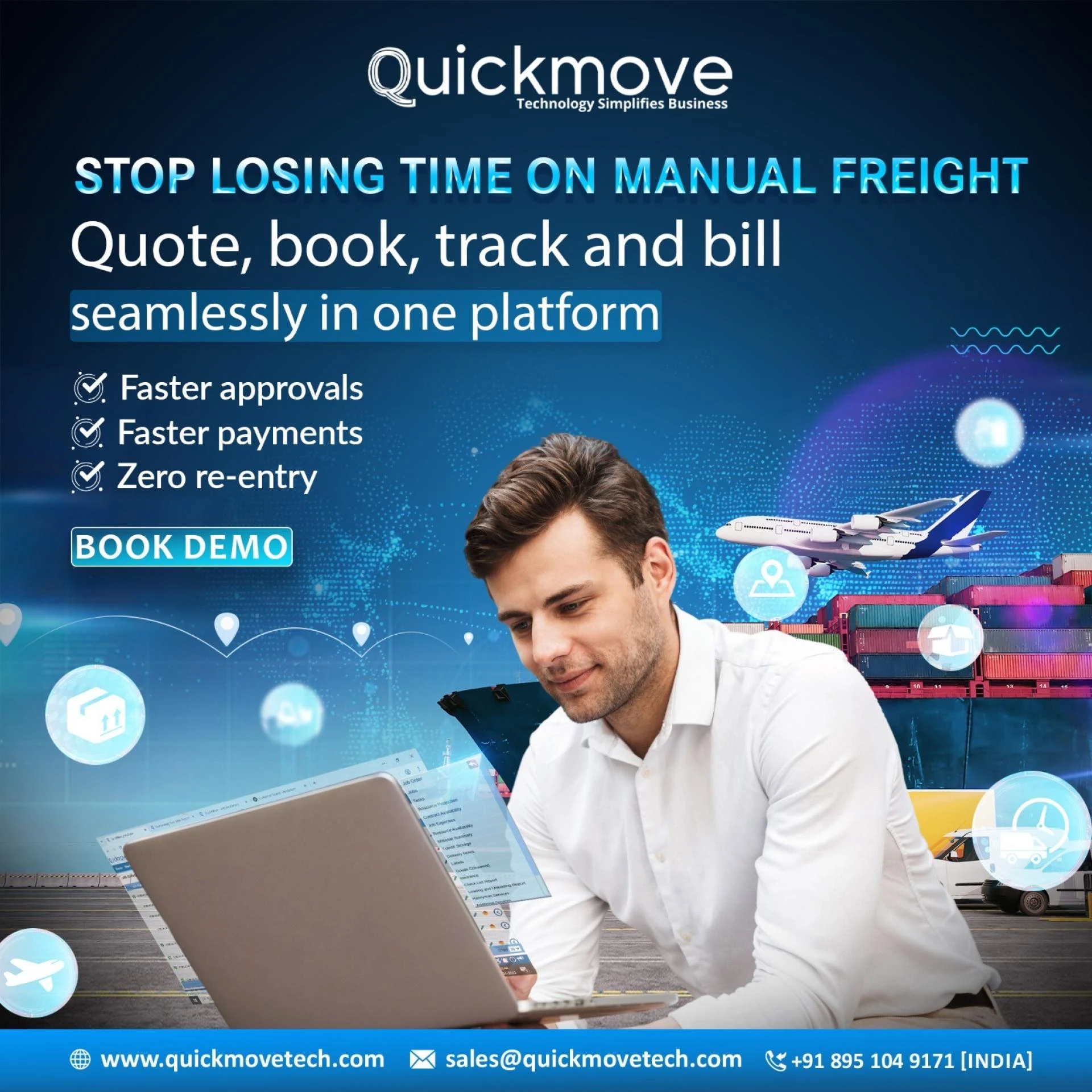
Project cargo handling involves the transportation of oversized, heavy, and high-value equipment that requires precise planning and flawless execution. Industries such as oil & gas, construction, power generation, and infrastructure rely heavily on efficient logistics strategies. To manage such complexity, businesses are increasingly adopting freight forwarding software to streamline operations and ensure end-to-end visibility.
Understanding Project Cargo Logistics
Project cargo refers to shipments that are non-standard in size, weight, or handling requirements. These shipments often demand:
- Specialized equipment and carriers
- Detailed route and risk planning
- Multi-modal transport coordination
- Strict regulatory and customs compliance
Handling all these elements manually increases the risk of delays and cost overruns. This is where freight forwarding software plays a critical role by centralizing data and automating workflows.
Challenges in Traditional Project Cargo Handling
Without digital tools, logistics teams face challenges such as:
- Fragmented communication between stakeholders
- Limited shipment visibility
- Manual documentation errors
- Inaccurate costing and budgeting
Using spreadsheets and emails is no longer sufficient for complex cargo movements. A modern freight forwarding system eliminates these inefficiencies by offering a unified operational platform.
How Freight Forwarding Software Enhances Project Cargo Handling
1. End-to-End Visibility
With real-time tracking and milestone updates, freight forwarding software provides complete visibility across all stages of project cargo movement, enabling faster decision-making and proactive issue resolution.
2. Automated Documentation & Compliance
Project cargo involves extensive documentation. Advanced freight forwarding software automates document generation, customs filings, and compliance checks, reducing human error and regulatory risks.
3. Accurate Costing & Quotation
Managing multiple cost components becomes easier with integrated rate management and expense tracking. By using freight forwarding software, companies can generate precise quotes and maintain better financial control over large-scale projects.
4. Seamless Collaboration
Project cargo handling involves coordination between freight forwarders, carriers, ports, customs agents, and customers. A cloud-based freight forwarding platform enables real-time collaboration, reducing communication gaps and delays.
Benefits for Logistics & Freight Forwarding Companies
Companies using digital freight solutions for project cargo report:
- Improved operational efficiency
- Reduced transit delays
- Enhanced customer satisfaction
- Better risk management and reporting
By leveraging freight forwarding software, logistics providers can focus more on strategic planning rather than manual coordination.
Choosing the Right Freight Forwarding Software
When selecting a solution for project cargo handling, look for features such as:
- Multi-modal transport management
- Customizable workflows
- Real-time tracking and analytics
- Automated documentation
- Scalability for large projects
A robust freight forwarding software solution becomes a long-term asset that supports growth and operational excellence.
Conclusion
Project cargo handling is complex, but it doesn’t have to be inefficient. With the right technology in place, logistics providers can gain visibility, reduce risks, and deliver projects on time and within budget. Investing in advanced freight forwarding software is the key to transforming project cargo logistics into a streamlined, predictable, and scalable operation.