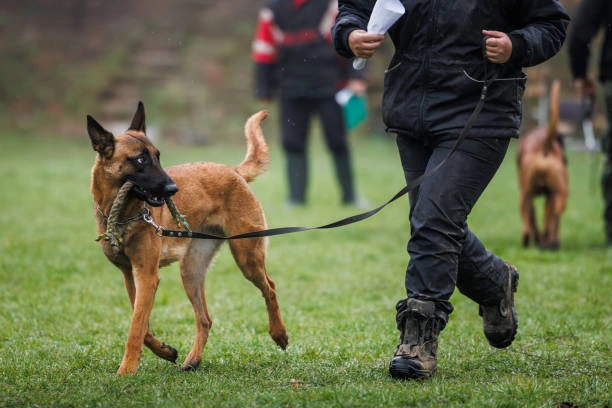
Dogs are not just pets; they are loyal companions who become part of the family. However, without proper guidance, even the most loving dog can develop challenging behaviors. Professional dog training provides the structure and skills needed to transform dogs into well-behaved companions. This training improves communication, strengthens bonds, and ensures a happier relationship between dogs and their owners.
The Importance of Early Training
Starting early can make a significant difference in a dog’s development. Puppies are naturally curious and eager to learn. Professional trainers introduce them to essential commands while teaching them how to interact with people and other animals. Early training prevents future issues such as fear-based aggression or excessive anxiety.
Socialization Skills
One of the key aspects of professional training is socialization. A dog that has been properly socialized is calm in new environments, polite around strangers, and adaptable to change. Trainers expose dogs to controlled situations where they can learn appropriate behavior. This reduces stress for both the pet and the owner when encountering unfamiliar scenarios.
Correcting Problem Behaviors
Some dogs develop habits that disrupt daily life—barking excessively, digging in the yard, or showing aggression toward other animals. Professional training identifies the triggers behind these behaviors and introduces corrective strategies. Over time, dogs learn healthier ways to channel their energy and respond calmly to challenges.
Obedience Training for Safety
A reliable recall command or a solid “stay” can prevent accidents and keep a dog safe. Professional trainers emphasize obedience not just for convenience but for protection. Whether crossing a busy street or encountering another dog, obedience commands provide control in critical moments.
Tailored Training Programs
Every dog has a unique personality and learning pace. Professional training is not one-size-fits-all; programs are designed around the individual dog’s temperament and needs. Whether it’s a high-energy breed requiring agility work or a timid dog needing confidence-building, professional trainers craft personalized plans that deliver results.
Building Owner Confidence
Training is not only for dogs—it equips owners with the tools to lead effectively. Professional trainers guide owners on proper communication, leash handling, and reinforcement methods. When owners feel confident, dogs naturally follow their leadership, creating a balanced and peaceful household.
Long-Term Benefits
Professional training lays a foundation that benefits dogs for life. A trained dog enjoys more freedom, whether it’s running off-leash in safe areas, joining family outings, or traveling. Owners also benefit from reduced stress, greater peace of mind, and a deeper connection with their pets.
Conclusion
Professional dog training is more than teaching commands—it is about shaping a dog into a confident, polite, and trustworthy member of the family. With structured guidance and consistent practice, dogs learn to thrive in their environment while owners gain the joy of a harmonious partnership.