Essential elements of a professional audiovisual setup for theatre
Performances can be powerful, but poor audiovisual support can damage the audience experience. Sound, lighting, visuals, staging, and tech all play important roles within a professional production. From plays and musicals to dance performances, presentations, or special events – the technology behind the curtain should support the action on stage. Organisations looking for audio visual hire in Perth will find that keeping these factors in mind helps ensure performers are heard and seen clearly while equipment runs smoothly from start to finish.
Clear and consistent sound
Even the best performance can falter if audiences struggle to hear dialogue, music, or effects. Professional audio technology should provide consistent coverage no matter where patrons are seated. Optimal speaker arrangements vary based on room size, seating layout, stage location, and performance type.
Effective audio tech does more than amplify everything. Speech intelligibility, musical quality, and sound effects should all be balanced so one does not overpower the others. System configuration and soundcheck let technicians create a consistent listening experience for every seat in the house.
Choosing the right microphones
It is also important to choose microphones that suit both the performers and production.
Theatre presentations can feature spoken word or singing, music performances, presenting, sound effects and more. Some microphones let presenters move freely, while others suit instruments or stationary use better. Microphone placement also matters; mics should capture clear audio without hindering movement or interfering with costumes/scenery.
Consider how many people will use microphones and whether they need multiple frequencies. Technical teams should also consider communication and backup equipment.
Lighting plays multiple roles
Beyond illumination, lighting helps establish atmosphere, direct the crowd's focus, and communicate changes in location, mood, and timing. Stage lighting should account for the production, the stage's size and shape, and the placement of lighting equipment. Different lighting fixtures can serve unique roles, such as lighting actors, creating effects, or highlighting specific props/scenery.
Lighting directors use consoles and programming to execute cues at precise moments. Most are synchronised with dialogue or music, but timers allow light changes to occur during scene transitions. During rehearsals, the technical team can practice lighting cues to ensure everything runs smoothly.
Visual displays and projection
Screens and projectors are not always required, but modern theatre productions and presentations often use visual components.
Projection might provide scenery or backgrounds, display video clips or title information, present speeches or documents, or contribute to production effects. LED screens can be useful where brightness or larger-than-life visuals are needed.
The choice of display technology will vary depending on venue characteristics and intended content. Consider factors like screen size, resolution, viewing distance, ambient light, and screen placement. Large visual elements shouldn't distract from the stage.
Stage set-up and technical integration
Audiovisual equipment won't exist exclusively on stage. Speakers, lights, projectors/screens, cables, control equipment, and more need to accommodate whatever set or staging is being used. Also consider entrances/exits, microphone placement, and audience sight lines when planning where equipment should go.
When planning equipment set-up, think about how different elements impact one another. A poorly positioned screen could obscure scenery or guests, while lighting equipment placed in the wrong position could get in the way of actors. Technical systems should operate independently, but thinking about how they integrate can reduce problems later.
Control and communication
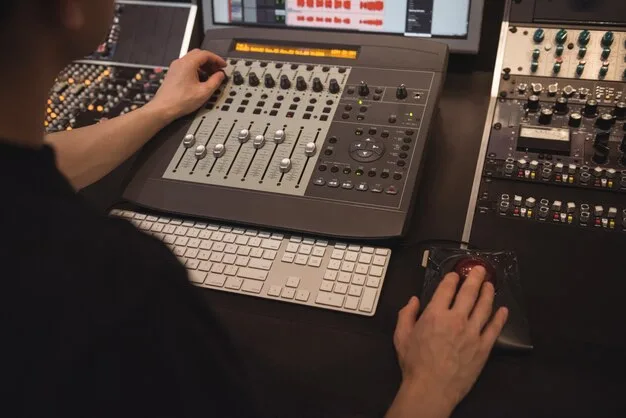
The average patron doesn't see behind the curtain of audiovisual equipment. Mixing consoles let operators’ control which microphones, music, and other sounds the audience hears. Lighting consoles are programmed with cues that are executed to illuminate the stage at precise moments. Video switching equipment and automation allow technicians to control what's displayed on projection screens or LED monitors.
Communication is also important for coordinated productions. Technical team members are usually positioned throughout the venue, so two-way radios let crew members coordinate scene changes, sudden adjustments, and more.
Power and equipment connectivity
While not very glamorous, power is necessary for audiovisual equipment to do its job. Whether it's sound, lighting, displays, or control consoles, equipment needs to be connected to a power source. During planning sessions, audiovisual teams should note these power requirements and avoid exceeding maximum loads or using improper wiring.
Another often-overlooked item is cabling. Place cables where they won't create trip hazards or interfere with performers, crew members, or guests. Keeping them tidy also makes it easier to identify connections and troubleshoot issues that may occur on event day.
Technical runs and checks
Audiovisual equipment and tech teams don't appear on stage when a production begins. Crew members will run sound checks, test microphones, set lighting cues, and make final adjustments behind the scenes before the curtains open.
Technical rehearsals can also allow actors to familiarise themselves with microphones, lighting positions, and visual cues. During this time, technicians should verify sound is distributed evenly, lights and cues occur at the right time, visual content displays correctly, and all equipment communicates with control consoles.
Plan for backups and unexpected challenges
Performances typically don't have the luxury of stopping because AV equipment stops working. Problems that arise during a production can distract the audience and put pressure on everyone involved. For this reason, it helps to anticipate potential problems and plan how equipment or tech teams can fix them quickly.
Backup equipment like microphones and cables, along with batteries, can reduce the time it takes to resolve common issues. Experienced technicians can also identify and fix problems before they affect production.
Size and set-up of the venue matter
Theatre venues don't all have the same technical capabilities. Size, ceiling height, stage area, seating configuration, acoustics, rigging, power capacity, and more can affect what equipment you use. Equipment that works for one venue may create poor audio experiences in another venue with different dimensions.
Booking a professional event package lets technicians plan equipment based on the venue and production requirements. This helps teams anticipate installation challenges before setting up on event day.
Audiovisual equipment used during theatre productions includes many components that should operate together as a single system. Planning for how different elements work together can reduce challenges and ensure equipment supports what's happening on stage.
Productions may require additional elements or support beyond what the venue provides.
With professional events hire in Perth, organisers can access equipment rentals and technicians experienced in bringing together different production elements. With the right preparation, equipment support takes a back seat while talented performers take centre stage.