Production line installation is a complex industrial process that brings machinery, conveyors, processing equipment, utilities, and supporting systems together into one functioning operation. In food processing and other manufacturing environments, successful installation depends on more than placing equipment in its designated location. Every machine must be positioned accurately, structurally secured, aligned with surrounding equipment, and prepared for reliable operation.
Millwright expertise plays an important role throughout this process. From moving heavy machinery into a facility to leveling equipment and completing mechanical connections, millwright activities help establish the physical foundation of a production system. Careful planning and precision at each stage can reduce installation problems, protect equipment, and help production begin according to schedule.
Planning a Production Line Installation
Before machinery reaches its final position, the installation team needs a clear understanding of the production line layout. Engineering drawings, equipment specifications, site conditions, access routes, and installation requirements should be reviewed before work begins.
The planned layout determines how individual machines will interact with one another. Conveyors may need to connect directly with processing equipment, while pumps, mixers, hoppers, packaging systems, and other machinery must maintain appropriate elevations and clearances.
Access planning is equally important. Large equipment may need to travel through loading areas, production floors, doorways, corridors, or other restricted spaces before reaching its final position. Identifying these routes in advance helps determine what rigging equipment and moving methods will be required.
Staging areas should also be established so machinery can be safely received and temporarily positioned without interfering with other installation activities.
Preparing Equipment and Rigging Systems
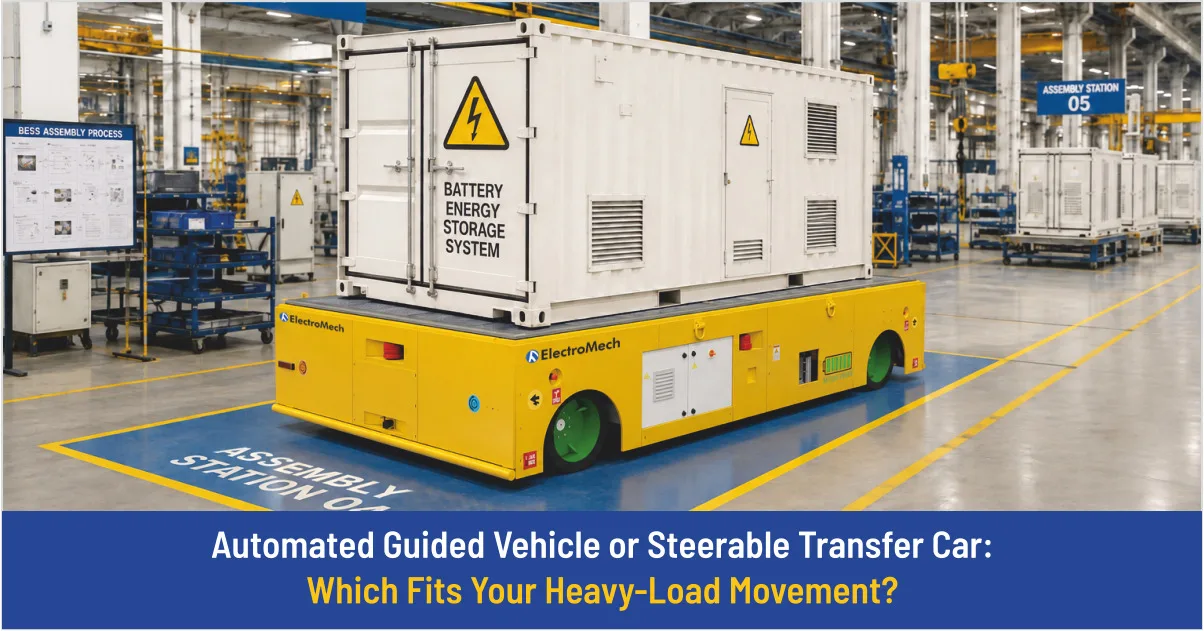
Production line installation frequently involves machinery that is too large or heavy to move using ordinary material-handling equipment. Cranes, forklifts, hoists, gantries, specialized movers, rollers, dollies, or air skates may be used depending on the equipment and facility.
Before use, rigging equipment should be inspected to confirm that it is appropriate for the planned load. Slings, chains, lifting devices, hoists, and other equipment need suitable capacities and should be properly inspected and maintained.
Specialized millwright tools may also be required for precision installation. Laser alignment systems, levels, dial indicators, torque tools, and other measuring equipment allow installation teams to verify positioning and alignment rather than relying solely on visual inspection.
This preparation helps establish a controlled process before the first machine is moved.
Moving Machinery Into Position
Equipment receiving and movement are critical stages of production line installation. Machinery may arrive by truck or container and require unloading before it can enter the facility.
The equipment should be inspected when received to identify potential transportation damage. Sensitive machinery may require coordination with equipment manufacturers or other technical personnel before handling or installation.
Once prepared, equipment can be moved through the facility according to the predetermined route. Tight spaces, overhead obstructions, floor drains, utility systems, sanitation areas, and existing equipment can all create challenges.
Controlled movement is particularly important when handling heavy or high-value machinery. Loads should remain stable throughout transportation to prevent tipping, rocking, impact, or damage to the equipment and surrounding infrastructure.
Positioning and Leveling Production Equipment
Once machinery reaches its intended location, precision positioning becomes essential. Equipment bases and frames need to correspond with the engineering layout and the requirements of the overall production line.
Floor conditions are not always perfectly uniform. Shimming, leveling pads, or other methods may be necessary to establish the required elevation and stability.
Precision leveling can be particularly important for rotating equipment and machinery with interconnected components. Even relatively small positioning errors can affect alignment, vibration, product flow, and mechanical wear.
The objective is to create a stable foundation that allows each piece of equipment to operate as part of the larger production system.
Anchoring and Structural Support
Industrial machinery must be securely supported once it has been positioned. Depending on the equipment and facility requirements, installation may involve anchor bolts, chemical anchors, base plates, anti-vibration mounts, or other securing systems.
Anchoring should be performed according to engineering requirements and equipment specifications. Properly secured machinery is less likely to shift during operation and can maintain its intended alignment under production loads.
Food processing environments can introduce additional considerations. Equipment bases and installation details should support sanitation requirements and avoid creating areas where moisture, debris, or contaminants can accumulate.
The physical installation therefore needs to account for both mechanical performance and the environmental conditions in which the production line operates.
Mechanical Assembly and Equipment Integration
Production lines rarely consist of isolated machines. Equipment needs to work together as a continuous system, which makes mechanical integration an important part of installation.
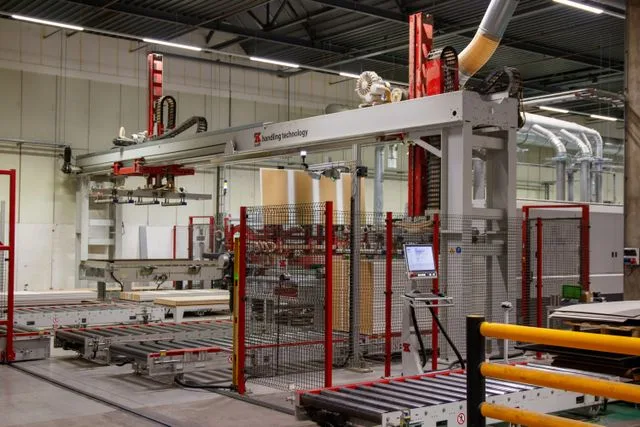
Millwright teams may assemble motors, gearboxes, conveyors, hoppers, augers, guards, access platforms, rails, and other components. Mechanical connections can include belts, chains, shafts, couplings, bearings, sprockets, pulleys, chutes, and transfer systems.
Conveyors are particularly important because they determine how materials or products move from one stage of production to another. Their height, angle, centerline, and alignment need to correspond with adjacent machinery.
Where gaps exist between equipment, structural or mechanical connections may need to be fabricated and installed to create a continuous system.
Supporting Utility Integration
Although electrical, plumbing, and other utility work may be performed by specialized trades, production line installation needs to be coordinated around these requirements.
Machines must be positioned so electricians, plumbers, and other technicians have adequate access to electrical connections, compressed air, water, steam, hydraulic systems, and other utilities.
Temporary supports may sometimes be necessary while final utility connections are completed. Coordination between mechanical and utility teams helps prevent situations where equipment has to be repositioned because a connection point was inaccessible.
Thinking about these requirements during initial installation can reduce delays later in the project.
Precision Alignment and Calibration
Alignment is one of the most important aspects of a successful production line installation. Motors, gearboxes, pumps, compressors, mixers, conveyors, and other rotating equipment may have specific alignment tolerances that need to be verified.
Laser alignment equipment and dial indicators can be used to establish accurate relationships between connected components. Couplings, shafts, and rotating assemblies should be checked against applicable equipment specifications.
Conveyor alignment also deserves careful attention. Product transfers need to occur smoothly between upstream and downstream equipment. Incorrect elevations or centerlines can create jams, uneven product movement, excessive wear, or interruptions in production.
Precision installation is therefore directly connected to long-term equipment performance.
Testing Mechanical Performance
Before a production line enters full operation, mechanical systems should be checked through controlled testing. Dry runs can help identify problems with conveyor movement, belts, chains, rotating components, clearances, and equipment stability.
Vibration and movement should also be evaluated. If unexpected movement occurs during testing, adjustments may be necessary before production begins.
Testing gives the installation team an opportunity to identify mechanical issues under controlled conditions rather than after the line has entered normal production.
Safety and Food Processing Considerations
Safety remains important throughout every phase of production line installation. Rigging operations, heavy equipment movement, elevated work, mechanical assembly, and equipment testing each introduce specific hazards.
Installation teams may use documented procedures, equipment inspections, controlled work areas, appropriate protective equipment, and installation checklists to maintain safe working conditions.
Food processing facilities add another layer of consideration. Installation work should minimize contamination risks by controlling debris, keeping hardware clean, maintaining suitable equipment bases, and preparing the area for sanitation review before mechanical handoff.
The installation process should ultimately support both worker safety and the hygiene requirements of the operating environment.
Commissioning and Final Handover
Production line installation does not end when every machine is physically in place. Final verification helps ensure the system is ready for operation.
Installation documentation can include checklists, torque records, equipment information, alignment measurements, and other relevant records. These documents can support future maintenance and troubleshooting.
During commissioning, installation teams may assist equipment manufacturers and plant personnel with mechanical adjustments, startup testing, and initial production runs. Follow-up adjustments may also be necessary after machinery experiences actual operating conditions.
This final stage helps bridge the gap between construction and production.
Building a Reliable Production System
A successful production line installation brings together planning, machinery moving, rigging, structural setup, mechanical assembly, precision alignment, safety, and commissioning. Each stage influences the performance of the stages that follow it.
When equipment is carefully positioned, securely anchored, accurately aligned, and properly integrated with surrounding systems, the production line has a stronger foundation for reliable operation.
For manufacturers, the goal is not simply to install individual machines. It is to create a coordinated production environment in which equipment works together efficiently, safely, and consistently. A disciplined installation process helps turn engineering plans into a functioning production system while reducing avoidable delays, installation problems, and future maintenance challenges.