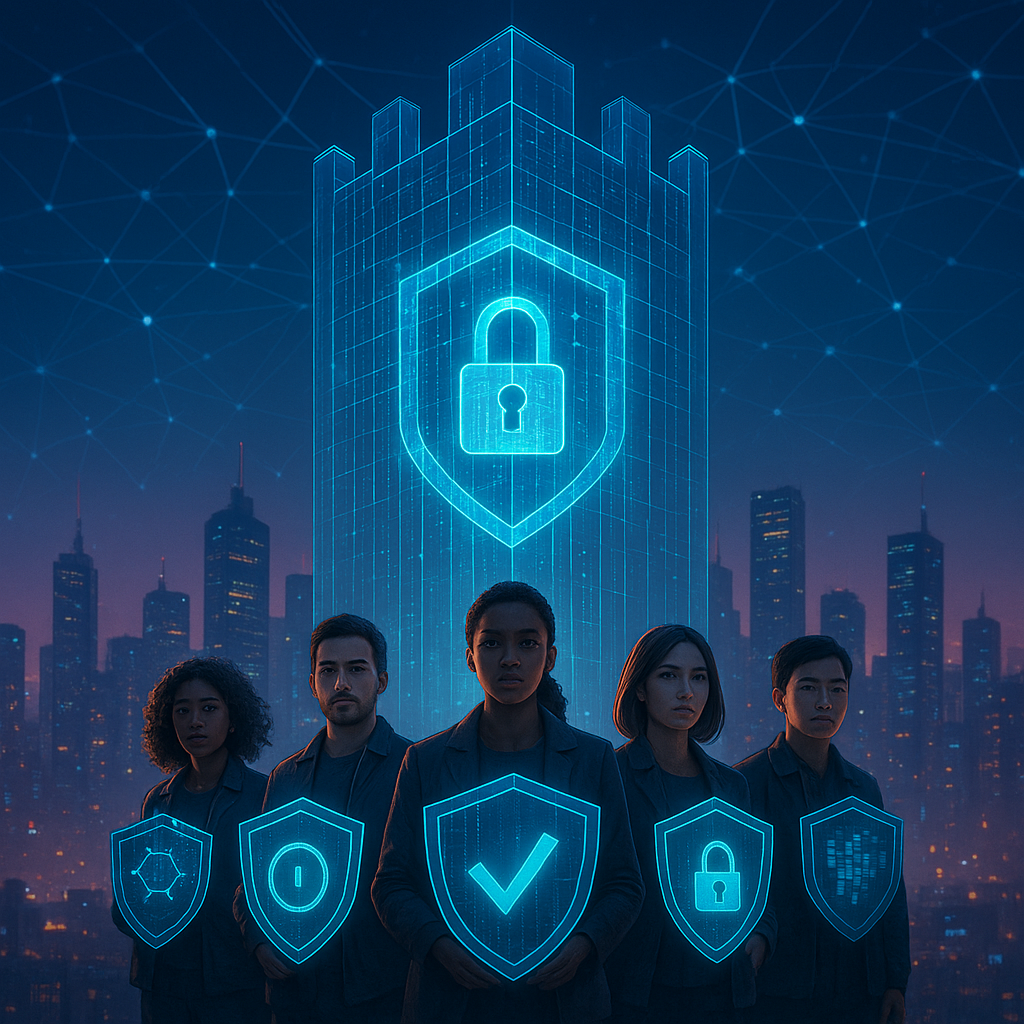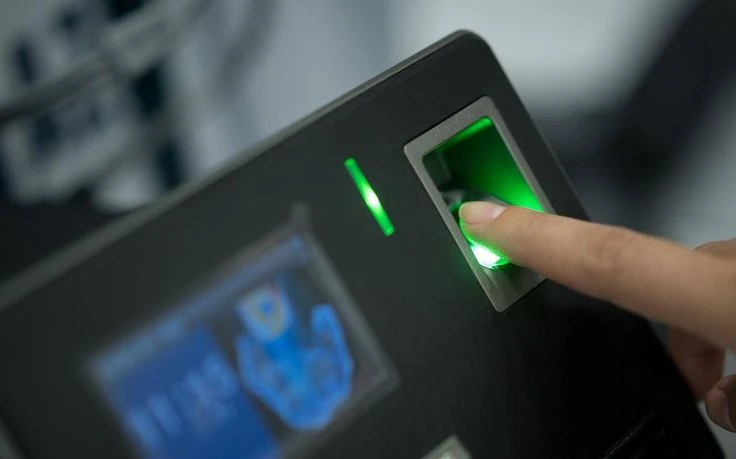
As digital systems increasingly rely on biometric data for identification and authentication, concerns around privacy, data security, and ethical use of artificial intelligence (AI) have moved to the forefront. Privacy-Preserving Biometrics & Ethical AI Innovations represent a critical evolution in how organizations balance security, convenience, and individual rights.
This article provides a comprehensive and objective analysis of the forces shaping this domain, with particular focus on the non-contact biometric identification and authentication market size and its broader implications.
Understanding Privacy-Preserving Biometrics
Privacy-preserving biometrics refer to technologies and system designs that enable biometric identification—such as facial recognition, iris scanning, or gait analysis—while minimizing the collection, storage, and exposure of sensitive personal data. Techniques such as on-device processing, encryption, anonymization, and federated learning aim to reduce privacy risks without compromising performance.
Non-contact biometrics, which operate without physical touch, have gained momentum due to hygiene concerns, user convenience, and scalability. Their growth is a key contributor to the expanding non-contact biometric identification and authentication market size, particularly in sectors like healthcare, transportation, border control, and smart cities.
Ethical AI as a Foundation for Trust
Ethical AI innovations focus on fairness, transparency, accountability, and explainability in algorithmic decision-making. In biometric systems, ethical AI principles are essential to prevent bias, discrimination, and misuse.
Key Ethical Considerations
- Bias mitigation: Ensuring algorithms perform consistently across demographics
- Transparency: Explaining how biometric decisions are made
- Consent and purpose limitation: Using data only for clearly defined, approved purposes
Tradeoff:
Highly accurate biometric models often require large datasets, but collecting more data can conflict with privacy and consent principles.
Market Forces Driving Adoption
Growth of Contactless Security Solutions
The shift toward contactless interactions has accelerated adoption of facial recognition, voice authentication, and behavioral biometrics. This trend directly influences the non-contact biometric identification and authentication market size, as organizations seek scalable and user-friendly security solutions.
Regulatory Pressure and Data Protection Laws
Global regulations such as GDPR and similar frameworks emphasize data minimization and user rights. These rules are pushing vendors to embed privacy-preserving mechanisms directly into biometric systems.
Challenge:
Compliance increases development complexity and costs, particularly for smaller technology providers.
Technology Approaches and Their Tradeoffs
On-Device vs Cloud-Based Processing
- On-device processing limits data exposure and improves privacy.
- Cloud-based systems offer higher computational power and easier updates.
Tradeoff:
On-device systems enhance privacy but may be limited by hardware constraints, while cloud systems scale better but increase data transmission risks.
Template Protection Techniques
Methods such as biometric hashing and cancellable biometrics protect raw data by transforming it into non-reversible formats.
Impact consideration:
These techniques reduce breach risks but can slightly affect matching accuracy if not well-implemented.
Challenges in Balancing Innovation and Ethics
Accuracy vs Privacy
Improving biometric accuracy often requires richer data and continuous learning, which can conflict with strict privacy controls.
User Trust and Social Acceptance
Public skepticism around surveillance and data misuse can slow adoption, even when systems are technically robust and legally compliant.
Interoperability and Standardization
Lack of global standards complicates integration across platforms and jurisdictions, especially for multinational deployments.
Importance of Impact-Based Decision Making
When implementing Privacy-Preserving Biometrics & Ethical AI Innovations, stakeholders must consider long-term social, legal, and reputational impacts—not just short-term performance gains. Decisions about system architecture, data retention, and AI governance can influence public trust and regulatory outcomes for years.
Organizations that proactively embed ethical considerations often gain competitive advantage, particularly as buyers increasingly evaluate vendors on responsible AI practices.
Complete Industry Breakdown: FAQs
1. What are privacy-preserving biometrics?
They are biometric systems designed to minimize data exposure through encryption, anonymization, and local processing.
2. Why are non-contact biometrics growing?
They offer hygiene, speed, and convenience, contributing to growth in the non-contact biometric identification and authentication market size.
3. How does ethical AI apply to biometrics?
It ensures fairness, transparency, and accountability in biometric decision-making.
4. Are privacy-preserving systems less accurate?
Not necessarily, but poorly designed protections can affect performance.
5. What industries use these technologies most?
Healthcare, government, transportation, finance, and smart infrastructure.
6. How do regulations influence innovation?
They push vendors toward safer designs but increase development costs.
7. Can biometric data be fully anonymized?
Complete anonymization is difficult, but risks can be significantly reduced.
8. What is the biggest challenge today?
Balancing accuracy, scalability, and privacy while maintaining user trust.
Privacy-Preserving Biometrics & Ethical AI Innovations are reshaping the future of digital identity by addressing growing concerns around data protection and responsible technology use. As the non-contact biometric identification and authentication market size continues to expand, success will depend on how effectively organizations balance innovation with ethics. By carefully evaluating tradeoffs, embracing privacy-by-design principles, and considering long-term societal impact, stakeholders can deploy biometric systems that are not only secure and efficient but also trustworthy and sustainable.
Read also
Global Non-contact Biometric Identification And Authentication Market Research Report 2024