

Wound care depends on consistency at every stage of healing. Dressings are expected to protect the wound, manage exudate, and remain securely in place without causing discomfort or irritation. When a dressing shifts, leaks, or fails to perform as expected, it can disrupt the healing process, increase the risk of infection, and lead to unnecessary complications. For this reason, healthcare providers prioritise products that deliver reliable and predictable performance across different care environments and patient conditions.
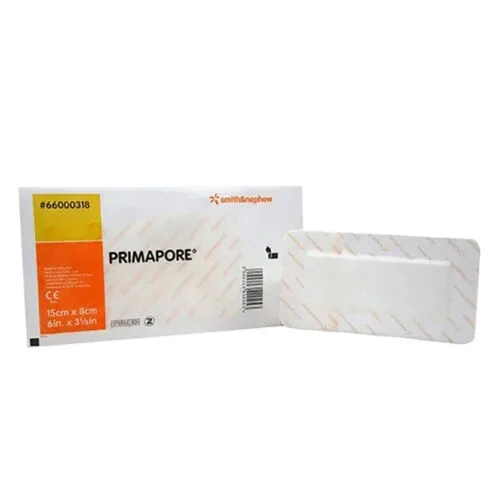
Primapore dressing products are widely used in clinical and care settings because they are designed with both effectiveness and patient comfort in mind. Each dressing combines a soft, absorbent pad with a gentle yet secure adhesive border. This design allows the dressing to stay firmly in position while cushioning the wound area, helping to minimise friction and irritation during movement. The absorbent pad efficiently manages fluid, keeping the wound clean, dry, and protected while supporting an optimal healing environment.
A Primapore wound dressing is especially suitable for post-surgical wounds, minor injuries, and routine wound management where clean coverage and controlled absorption are essential. By maintaining a stable barrier over the wound, it reduces the need for frequent dressing changes, which can otherwise disturb healing tissue and cause discomfort. Fewer changes also help improve efficiency for healthcare providers while ensuring patients receive consistent and uninterrupted care throughout the healing process.
Ease of use is another important factor in wound care. Primapore dressings are designed for straightforward application, allowing clinicians to apply them quickly and accurately, even in fast-paced or high-demand settings. The secure adhesion ensures that once applied, the dressing remains in place throughout daily activities, giving patients confidence and reducing the likelihood of accidental removal or exposure.
In addition to performance, comfort plays a significant role in patient compliance. A dressing that feels secure yet gentle encourages patients to leave it in place as advised, rather than adjusting or removing it prematurely. This consistency supports better healing outcomes and reduces the chances of complications caused by unnecessary disturbance.
Clinicians often prefer dressings that behave predictably under different conditions. Consistency in performance means they can rely on the product to deliver the same level of protection and absorption every time. This reliability simplifies treatment planning, supports standardised care protocols, and ultimately contributes to better patient outcomes over time. It also helps maintain efficiency in busy care settings where time and accuracy are critical. Overall, it supports safer healing outcomes consistently.


