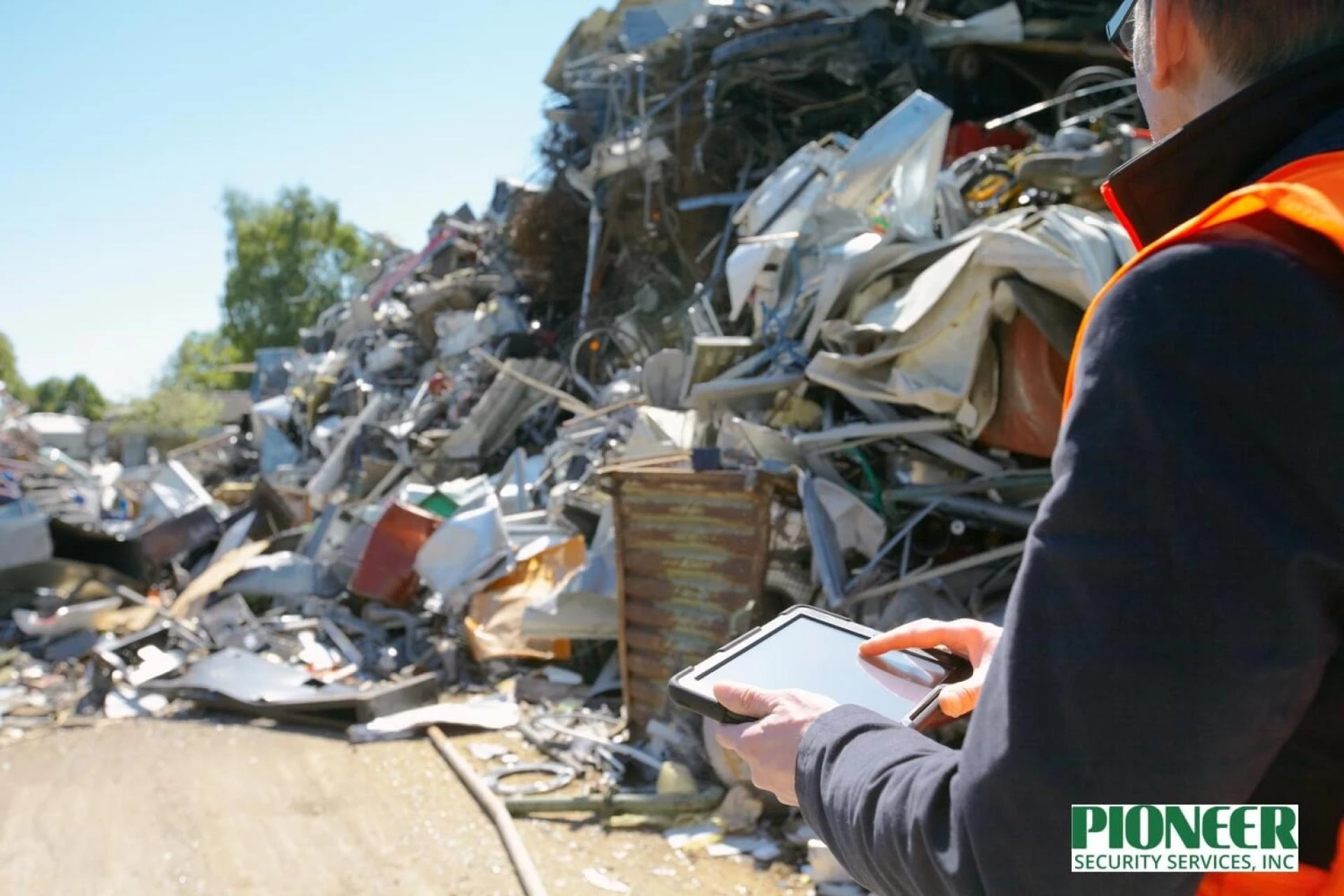
Recycling facilities play an essential role in environmental sustainability, helping to reduce waste, conserve natural resources, and support circular economies. Howevefully monitored. In recent years, recycling live monitoring has become a vital tool for ensuring workplace safety, preventing accidents, and maintaining compliance with environmental and occupational regulations.
This article explores how live video monitoring systems help protect workers, improve operational efficiency, and create safer recycling environments.
Understanding the Risks in Recycling Yards
Recycling yards are dynamic and often unpredictable work environments. Employees operate forklifts, shredders, balers, and cranes in close proximity, increasing the risk of injury if safety procedures are not followed. Other hazards include exposure to sharp metal fragments, flammable materials, and moving vehicles.
These risks are amplified by the scale and pace of daily operations. With constant deliveries and equipment use, even small oversights can lead to severe accidents. In such conditions, live monitoring serves as a critical safeguard by providing continuous observation, quick alerts, and a proactive approach to workplace safety.
What Is Live Monitoring in Recycling Facilities?
Live monitoring involves the use of surveillance cameras and real-time observation by trained personnel or automated systems. Unlike standard recording devices, live monitoring enables immediate response when unsafe conditions or unusual activity are detected.
For recycling yards, this means cameras strategically placed around equipment areas, entry gates, sorting lines, and loading zones. These cameras transmit live video feeds to monitoring centers, where safety personnel can oversee multiple operations simultaneously. The moment an unsafe act or hazardous situation is observed, corrective actions can be initiated, such as alerting supervisors, halting machinery, or contacting emergency services.
Reducing Workplace Accidents Through Real-Time Oversight
The primary advantage of live monitoring is its ability to identify hazards before they cause harm. Operators might miss warning signs due to fatigue or distraction, but monitoring systems ensure that multiple eyes are always observing critical areas.
For instance, if a worker enters a restricted zone without proper gear, or if machinery malfunctions, the monitoring team can intervene immediately. This quick response capability helps prevent injuries, equipment damage, and costly downtime. Over time, continuous observation promotes safer habits among workers, creating a culture of responsibility and awareness.
Supporting Compliance with Safety Regulations
Recycling facilities are subject to strict occupational safety and environmental standards. Regulatory agencies require operators to maintain safe working environments and regularly report incidents. Live monitoring helps ensure compliance by documenting daily activities and providing visual evidence of safety practices.
In the event of an inspection or accident investigation, recorded footage can verify whether protocols were followed. This transparency not only protects management from liability but also encourages consistent adherence to safety procedures among employees.
Enhancing Equipment Safety and Maintenance
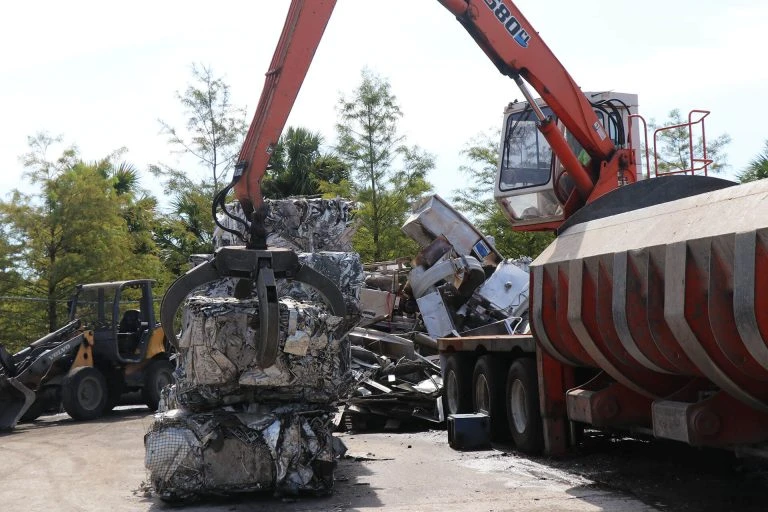
Heavy machinery forms the backbone of recycling operations, but it also poses some of the greatest risks. Continuous live monitoring enables early detection of mechanical issues such as overheating, smoke, or improper usage. When potential problems are spotted, supervisors can schedule maintenance or shut down equipment before damage or accidents occur.
This proactive approach minimizes repair costs and prevents unplanned downtime. It also ensures that machines operate at peak efficiency, supporting overall productivity while maintaining safety standards.
Monitoring Vehicle Movement and Traffic Flow
Recycling yards are often filled with trucks, forklifts, and loaders transporting heavy materials. Uncontrolled traffic flow can lead to collisions or pedestrian injuries. Live monitoring helps regulate movement within the facility by observing vehicle routes, ensuring drivers follow designated lanes, and identifying unsafe practices such as speeding or reversing without assistance.
By analyzing live and recorded footage, managers can redesign layouts or implement new safety policies to improve traffic control. The result is smoother operations and fewer accidents involving vehicles or equipment.
Detecting Fire and Environmental Hazards
Due to the nature of materials processed — such as metals, plastics, and flammable waste — fire risk is a constant concern in recycling yards. Live monitoring systems equipped with thermal imaging or smoke detection capabilities can identify early signs of fire and alert staff before it spreads.
Additionally, these systems can detect environmental hazards like chemical leaks or dust buildup. Prompt detection allows rapid corrective action, protecting workers and preventing environmental contamination.
Building a Culture of Safety Awareness
Technology alone cannot prevent all accidents; it must work alongside an active safety culture. Live monitoring reinforces that culture by holding everyone accountable for safe behavior. When employees know that procedures are being observed for their protection, they tend to follow safety rules more consistently.
This continuous oversight fosters teamwork between management and workers. Instead of being viewed as surveillance, live monitoring becomes a shared tool for ensuring that everyone returns home safely each day.
Training and Behavioral Improvements
Recorded footage from live monitoring systems provides valuable material for safety training. Real-life examples of unsafe practices or near-misses can be used to educate employees and strengthen future prevention strategies.
Managers can review specific incidents with teams, highlighting what went wrong and how it can be avoided. This hands-on learning approach is far more effective than relying solely on theoretical instruction. Over time, it leads to measurable improvements in safety awareness and workplace conduct.
Preventing Theft and Unauthorized Access
While the primary focus of live monitoring is safety, it also deters theft and unauthorized entry. Recycling yards often store valuable scrap metals, equipment, and materials that attract theft attempts after hours.
Live surveillance ensures 24-hour coverage, allowing monitoring teams to detect intrusions and alert authorities before losses occur. This additional layer of protection helps maintain financial stability while ensuring employee safety during working hours.
Data-Driven Safety Improvements
Modern live monitoring systems often include data analytics tools that help managers identify recurring safety risks. For example, if footage reveals frequent near-misses in a certain area, the data can guide targeted interventions such as better signage, barriers, or revised workflows.
By combining live observation with long-term data insights, recycling facilities can implement sustainable safety improvements based on evidence rather than guesswork.
Cost Savings Through Accident Prevention
Preventing accidents is not only a moral and regulatory obligation — it also makes economic sense. Injuries, equipment damage, and downtime can lead to significant financial losses. By catching potential hazards early, live monitoring minimizes these costs.
Insurance premiums may also decrease when facilities demonstrate a commitment to continuous monitoring and accident prevention. In the long term, the financial benefits of live monitoring often exceed its implementation costs.
Integration with Modern Technologies
Today’s live monitoring systems can integrate with various technologies such as access control systems, fire alarms, and environmental sensors. Artificial intelligence enhances detection accuracy by recognizing patterns and flagging anomalies automatically.
For instance, AI software can detect when a worker is not wearing required safety gear or when movement occurs in restricted areas. This automation further reduces human error and improves overall site vigilance.
Building Trust Among Workers and Management
Transparent use of live monitoring builds trust between employees and management. When workers understand that cameras are installed for safety rather than surveillance, they are more likely to embrace the system.
Management can strengthen this trust by sharing safety metrics and acknowledging the role of monitoring in preventing real incidents. Open communication ensures that everyone sees live monitoring as a partnership in safety rather than an invasion of privacy.
Future Trends in Recycling Facility Safety
The future of recycling yard safety will likely involve even more intelligent and connected monitoring systems. Drones, wearable sensors, and AI-powered analytics will enable broader coverage and more accurate detection of hazards.
Real-time communication tools will also improve coordination between monitoring centers and on-site staff. As these technologies mature, recycling facilities will become safer, more efficient, and more environmentally responsible than ever before.
A Safer, More Responsible Industry
Live monitoring represents a major step toward a safer and more sustainable recycling industry. It provides the continuous attention that busy environments demand and ensures that no risk goes unnoticed. By integrating technology with human oversight, recycling facilities can protect workers, comply with regulations, and maintain operational excellence.
Safety and productivity are not opposing goals — they work best together. Live monitoring proves that with the right systems in place, recycling yards can operate efficiently while keeping their people and environment safe.
Frequently Asked Questions
What areas of a recycling facility are usually monitored?
Live monitoring typically covers entrances, machinery zones, sorting lines, storage yards, and vehicle pathways to ensure all high-risk areas are under observation.
How does live monitoring prevent accidents?
By providing real-time surveillance, it enables immediate intervention when unsafe behavior, equipment malfunctions, or hazardous conditions are detected, preventing accidents before they occur.
Is live monitoring intrusive for workers?
No. Cameras are focused on operational areas, not private spaces. The goal is to enhance safety and compliance rather than monitor personal behavior.
Can live monitoring detect fires or chemical leaks?
Yes. Many systems use advanced sensors and thermal imaging to identify smoke, heat, or leaks, allowing early responses to environmental hazards.
Does live monitoring help meet safety regulations?
Absolutely. Recorded footage and continuous observation provide evidence of compliance with occupational safety standards and can assist during inspections or audits.