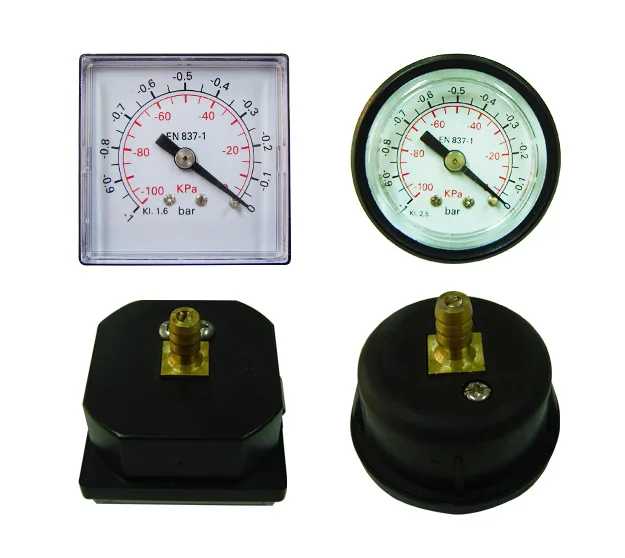
In industrial environments where pressure measurement is critical, maintaining stable and accurate readings can be challenging. Vibrations, pulsations, and sudden pressure spikes often interfere with the performance of measurement instruments. This is where a Pressure gauge Snubber becomes essential. It plays a key role in protecting gauges and ensuring consistent readings, especially in systems using a Panel mounted gauge or Panel mounted pressure gauge.
This article explores how a Pressure gauge Snubber functions, why it is important, and how it enhances the performance and lifespan of pressure measurement systems.
What is a Pressure Gauge Snubber?
A Pressure gauge Snubber is a small but vital device installed between the pressure source and the pressure gauge. Its primary purpose is to dampen pressure fluctuations before they reach the gauge. These fluctuations may come from pumps, compressors, or rapidly changing fluid flow conditions.
In systems using a Panel mounted pressure gauge, the snubber ensures that the gauge needle moves smoothly rather than fluctuating rapidly. This improves readability and prevents mechanical wear over time.
The Problem: Gauge Vibration in Industrial Systems
Gauge vibration is a common issue in many industrial applications. It occurs due to:
- Rapid pressure pulsations from pumps or compressors
- Mechanical vibrations from machinery
- Turbulent fluid flow
- Sudden pressure spikes or surges
When these factors affect a Panel mounted gauge, the needle can oscillate excessively. This leads to:
- Difficulty in reading measurements
- Reduced accuracy
- Premature wear of internal components
- Potential failure of the gauge
Without proper protection, even a high-quality Panel mounted pressure gauge may fail sooner than expected.
How Pressure Gauge Snubber Works
The working principle of a Pressure gauge Snubber is simple yet effective. It restricts the flow of the pressure medium through a small orifice or porous element. This restriction acts as a buffer, smoothing out rapid pressure changes.
Key Functional Mechanisms:
Flow Restriction
The snubber limits how quickly pressure changes can reach the gauge. This prevents sudden spikes from directly impacting the instrument.- Pulsation Dampening
- Energy Absorption
By slowing down pressure variations, it converts sharp pulsations into gradual changes.
Some snubbers use porous materials that absorb energy from pressure surges, reducing vibration effects.
When installed with a Panel mounted pressure gauge, the snubber ensures that the gauge reflects the average pressure rather than rapid fluctuations.
Benefits of Using a Pressure Gauge Snubber
1. Reduces Gauge Vibration
The primary advantage of a Pressure gauge Snubber is its ability to reduce needle vibration. This makes readings stable and easy to interpret.
2. Improves Measurement Accuracy
Stable readings mean more accurate data. In critical systems, even small inaccuracies can lead to operational issues. A snubber helps maintain precision.
3. Extends Gauge Lifespan
Constant vibration can damage internal components such as gears and springs. Using a snubber protects the internal mechanism of a Panel mounted gauge, increasing its service life.
4. Enhances Safety
In high-pressure systems, sudden spikes can be dangerous. A snubber reduces the risk of gauge failure, contributing to safer operations.
5. Protects Against Pressure Surges
Industrial processes often involve sudden pressure changes. A Pressure gauge Snubber acts as a safeguard against these surges.
Applications of Pressure Gauge Snubber
A Pressure gauge Snubber is widely used across various industries where pressure fluctuations are common.
Oil and Gas Industry
Pipelines and drilling systems often experience pulsating pressure. Snubbers help protect gauges installed on control panels.
Chemical Processing
In chemical plants, accurate pressure readings are crucial. A Panel mounted pressure gauge equipped with a snubber ensures stable monitoring.
Water Treatment Plants
Pumps and valves create pressure variations. Snubbers help maintain consistent readings.
Manufacturing Systems
Hydraulic and pneumatic systems benefit significantly from vibration control provided by snubbers.
Power Plants
Steam and fluid pressure systems require reliable measurement. Snubbers help maintain gauge integrity.
Types of Pressure Gauge Snubbers
Different types of snubbers are available depending on application needs:
1. Piston-Type Snubber
Uses a piston mechanism to absorb pressure fluctuations. Suitable for high-pressure applications.
2. Porous Metal Snubber
Contains a porous element that restricts flow evenly. Ideal for reducing pulsation.
3. Adjustable Snubber
Allows users to control the level of dampening. Useful in systems with varying pressure conditions.
Each type can be effectively paired with a Panel mounted gauge to improve performance.
Installation Considerations
To get the best performance from a Pressure gauge Snubber, proper installation is essential.
Placement
Install the snubber directly before the Panel mounted pressure gauge to ensure maximum protection.
Compatibility
Ensure the snubber material is compatible with the fluid being measured.
Pressure Rating
Choose a snubber that matches the system’s pressure range.
Maintenance Access
Install in a location that allows easy inspection and cleaning.
Maintenance and Care
Although a Pressure gauge Snubber is a passive device, it still requires periodic maintenance.
Cleaning
Debris can clog the orifice, reducing effectiveness. Regular cleaning ensures proper operation.
Inspection
Check for wear or corrosion, especially in harsh environments.
Replacement
If the snubber becomes ineffective, replacing it is more cost-efficient than risking damage to a Panel mounted pressure gauge.
Common Mistakes to Avoid
- Using the wrong type of snubber for the application
- Ignoring maintenance, leading to clogging
- Incorrect installation, reducing effectiveness
- Overlooking compatibility with system fluids
Avoiding these mistakes ensures optimal performance and longevity.
Why Combine Snubber with Panel Mounted Gauges?
A Panel mounted gauge is often used in control panels where space and readability are important. However, these gauges are more exposed to vibration from nearby equipment.
Adding a Pressure gauge Snubber provides:
- Enhanced stability
- Improved readability
- Better durability
- Reduced maintenance costs
This combination is especially valuable in industrial environments where reliability is critical.
ConclusionA Pressure gauge Snubber is a simple yet highly effective solution for reducing gauge vibration. By smoothing out pressure fluctuations, it protects the integrity of a Panel mounted pressure gauge and ensures accurate readings.
Whether used in oil and gas, manufacturing, or water systems, the snubber plays a vital role in maintaining system efficiency and safety. Investing in the right snubber and maintaining it properly can significantly extend the life of your pressure measurement instruments.
For any system experiencing pressure pulsation or vibration, integrating a Pressure gauge Snubber with a Panel mounted gauge is not just beneficial—it is essential for reliable performance.