Choosing between a premium car and a luxury car used to be simpler. A few decades ago, you either bought a reliable family sedan or you bought a rolling palace. Today, the lines have blurred. When you walk into a dealership in 2026, you’ll see mid-market brands offering massage seats and self-driving tech, while traditional high-end marques are trying to capture younger buyers with entry-level models.
Here’s the thing: while the marketing might sound identical, the engineering and philosophy behind these two categories are worlds apart. If you’re trying to decide where to put your money, you need to look past the leather stitching and understand what’s actually happening under the hood and behind the dashboard.
The Philosophy of Premium
Let’s break it down by starting with the premium segment. A premium car is essentially an "elevated" version of a standard vehicle. Think of brands like Acura, Infiniti, or even the top-tier trims of mass-market manufacturers like GMC’s Denali line or Mazda’s Signature series.
The goal here is value-driven excellence. These cars take a proven, reliable platform and wrap it in better materials. You get the upgraded Bose sound system, the real leather instead of the synthetic stuff, and perhaps a bit more sound deadening in the wheel wells. What this really means is that you are paying for a better version of a car that is still designed to be mass-produced and easy to maintain.
A premium car is built to be a better tool. It’s for the person who wants the heated steering wheel and the 360-degree camera for the daily commute but doesn't necessarily need the social statement or the mechanical complexity of a bespoke machine.
The Definition of True Luxury
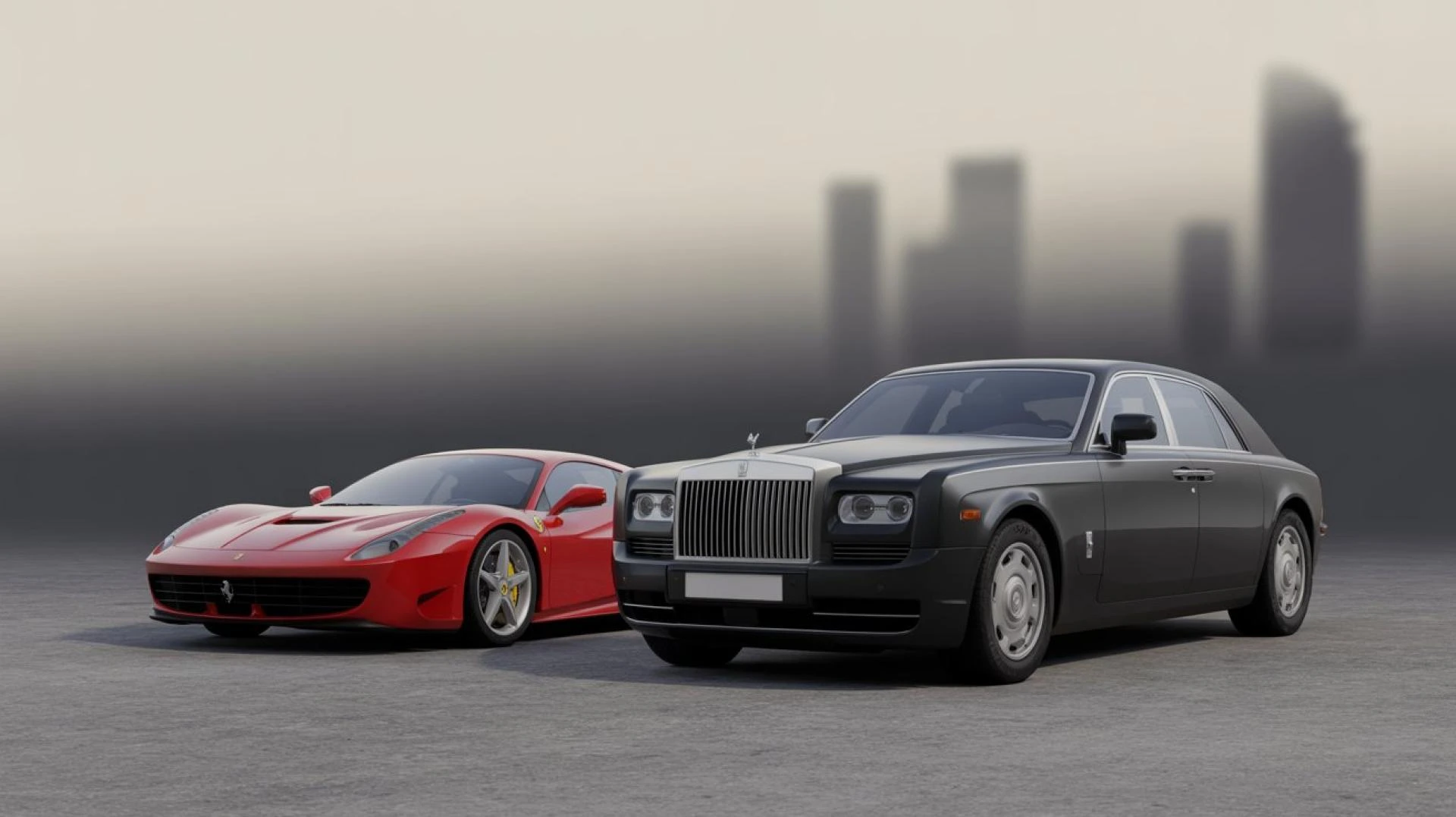
Luxury, on the other hand, isn't just "extra-premium." It is a different species. When you move into the territory of Mercedes-Benz, BMW, Porsche, or the ultra-high-end world of Bentley and Rolls-Royce, you aren't just buying features; you’re buying an engineering philosophy.
In a true luxury car, the focus shifts from "added value" to "uncompromising experience." This manifests in ways you can’t always see on a spec sheet. For example, while a premium car might use thicker carpets to dampen noise, a luxury car like an S-Class or a BMW 7 Series uses acoustic glass, active noise cancellation through the speakers, and specifically designed tires to ensure the cabin feels like a library at 80 mph.
Luxury is also defined by power that feels effortless. A premium car might be fast, but you’ll hear the four-cylinder engine straining when you merge onto the highway. A luxury car usually employs a larger displacement engine or a sophisticated hybrid setup designed to deliver massive torque without ever sounding like it’s working hard. It’s the difference between a sprinter gasping for air and a professional athlete taking a light jog.
Materials and Craftsmanship
This is where the tactile differences become obvious. In a premium car, you’ll find plenty of high-quality plastics and "soft-touch" surfaces. It feels nice, but it’s still industrial.
Luxury cars lean into "authentic" materials. If it looks like wood, it’s a solid piece of open-pore walnut. If it looks like metal, it’s cold-to-the-touch knurled aluminum. The leather isn't just leather; it’s semi-aniline hides sourced from specific regions where the cattle aren't exposed to barbed wire, ensuring no blemishes in the grain.
In 2026, we’re also seeing a massive divergence in how tech is integrated. Premium cars tend to focus on "more" technology, bigger screens and more apps. Luxury cars are moving toward "invisible" technology. It’s about AI that adjusts the suspension based on road-surface cameras before you even hit a pothole, or climate control that uses infrared sensors to check your body temperature and adjust the airflow accordingly.
The Cost of Ownership Reality
We have to talk about the math because this is where many buyers get caught off guard.
Premium cars are generally built on platforms shared with mass-market vehicles. This is a huge win for your wallet. If you need a part for a premium SUV, there’s a good chance it’s sitting in a warehouse shared with its more affordable cousins. Maintenance is predictable, and most local mechanics can handle the work.
Luxury cars are specialized. Their air suspension systems, complex electronics, and bespoke drivetrains require specialized tools and technicians. The depreciation is also much steeper. A flagship luxury sedan can lose 40% of its value in the first three years. While this is painful for the first owner, it’s actually a massive opportunity for the second.
Because of that steep initial drop in value, the market for used luxury cars has become incredibly sophisticated. In 2026, a buyer can pick up a three-year-old high-end vehicle for the price of a brand-new mid-market SUV. You’re getting the double-paned glass, the 20-way adjustable seats, and the prestige, while the original owner has already "paid" for the depreciation.
Performance vs. Comfort
There is also a significant difference in how these cars handle the road. Most premium cars are front-wheel-drive based. They are safe, predictable, and efficient. They handle like a very good version of a normal car.
Luxury brands often stick to rear-wheel-drive or rear-biased all-wheel-drive architectures. This isn't just for enthusiasts; it changes the entire geometry of the car. It allows for a tighter turning radius and a more "planted" feel.
Furthermore, the suspension tech in the luxury segment is on another level. We’re talking about "magic carpet" rides where the car feels like it’s floating. Premium cars use traditional shocks and springs that are tuned well; luxury cars use air bladders and electronic dampers that can change their firmness 1,000 times per second.
Which One Is Right for You?
So, how do you decide? It really comes down to what you value in your daily life.
If you want a reliable, high-quality vehicle that makes your life easier without drawing too much attention or breaking the bank at the service center, go premium. You’ll get 90% of the features of a luxury car with 50% of the long-term headache.
However, if you view your car as a sanctuary, if you want to finish a stressful work day and step into a space that is objectively quieter, smoother, and more beautifully crafted than anything else on the road, then luxury is the only answer. You aren't just paying for the badge; you’re paying for the thousands of hours of engineering that went into making sure you never have to feel a bump in the road or hear the wind outside.
What this really means is that the choice isn't about "better" or "worse." It’s about whether you want a high-performance tool or a high-performance experience. Both will get you to your destination, but only one will make you forget you’re traveling at all.