
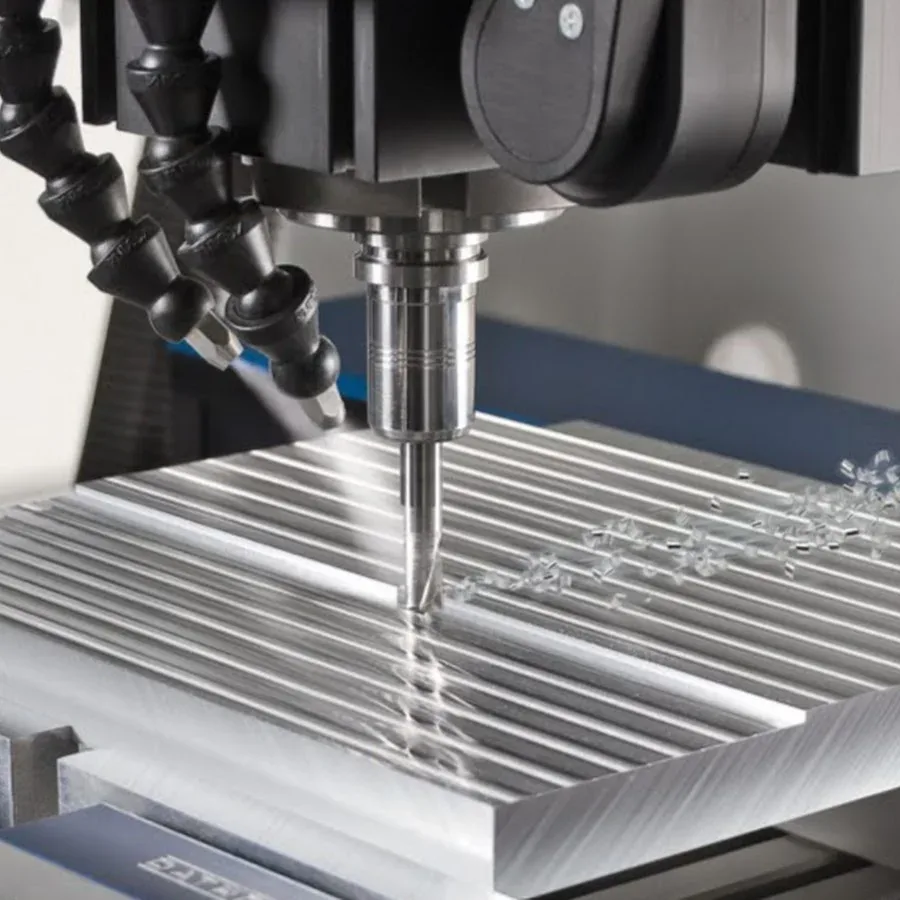
A single part that is off by a few thousandths of an inch can shut down an entire assembly line. Anyone who has spent time on a shop floor knows how much rides on tolerances that most people never think about.
This is where precision manufacturing earns its reputation. It's the discipline of producing parts that meet exact specifications every single time, not just on the first run but on the thousandth run too.
Why Precision Manufacturing Matters for Product Quality
Tight tolerances aren't a luxury in most industries; they're the baseline. A bracket that's slightly warped, a bore that's a hair too wide, or a thread that doesn't seat correctly can cause failures that ripple through an entire product.
Manufacturers that treat precision machining manufacturing as a core discipline, rather than an afterthought, tend to see fewer rejected parts and fewer surprises during final assembly. Consistency across thousands of units is what separates a dependable supplier from a risky one.
Good tolerances also reduce hidden costs. Rework, scrap, and late shipments all trace back to parts that weren't made right the first time.
Choosing the Right Manufacturing Partner
Not every shop is equipped to hold tight tolerances on every material. Some specialize in aluminum and plastics, while others are set up for hardened steels or exotic alloys used in aerospace work.
Ask a potential partner about their inspection process before you ask about price. A shop that can walk you through how it verifies precision machining manufacturing on a batch of parts, rather than just the first piece off the line, understands quality doesn't stop at setup.
It also helps to review their equipment list and in-house quality checks. Shops that invest in calibrated measuring tools and documented processes are usually the ones that catch problems before a part ever leaves the building.
- Ask how they inspect mid-production, not just first-article parts
- Request material certifications for critical components
- Confirm lead times match your production schedule realistically
Common Challenges in Precision Production
Material behavior is one of the trickiest variables. Metals expand with heat, plastics can warp during machining, and even small changes in humidity affect certain materials during storage and handling.
Tooling wear is another quiet factor. A slightly dull cutting tool can gradually alter dimensions throughout a production run without anyone noticing until parts start failing inspection.
Communication gaps cause just as many problems as technical ones. A drawing that's missing a critical tolerance callout, or a spec that's open to interpretation, often leads to a batch of parts that technically match the print but don't fit the application.
Conclusion
Precision manufacturing isn't about chasing perfection for its own sake. It's about making parts that perform exactly as intended, batch after batch, so the products built around them work the way they're supposed to.
Whether you're sourcing a single prototype or planning a long production run, the fundamentals stay the same: clear specifications, a capable partner, and a real inspection process behind every batch of precision machining manufacturing work. Get those right, and the rest tends to follow.
FAQs
What does precision manufacturing actually mean?
It refers to producing parts that consistently meet exact dimensional and material specifications, usually within very tight tolerances. The goal is repeatability across every unit, not just accuracy on a single sample.
How tight are typical manufacturing tolerances?
Tolerances vary by industry and application, ranging from a few thousandths of an inch in general fabrication to far tighter specifications in aerospace or medical work. The right tolerance depends entirely on how the part will be used.
Why do some parts cost more to manufacture precisely?
Tighter tolerances usually require slower cutting speeds, more frequent tool changes, and additional inspection steps. All of that adds time, and time adds cost.
Can precision manufacturing work with any material?
Most common metals and engineering plastics can be machined to tight tolerances, though some materials are more forgiving than others. Materials prone to warping or heat sensitivity often need extra process controls.
How can I verify a supplier's precision capabilities?
Ask for sample inspection reports, material certifications, and details on their quality control process. A reputable shop will be transparent about how they measure and document accuracy throughout a production run.