Across American homes, design standards are rising while tolerance for mechanical failure is shrinking. What once functioned as a purely utilitarian component is now a dynamic intersection of architecture, safety, and daily performance. Behind every seamless open and close is a network of engineered parts working in disciplined coordination.
The conversation around garage door hardware is shifting. It is no longer about hinges and bolts alone. It is about lifecycle durability, intelligent calibration, aesthetic alignment, and long term asset protection. Understanding this evolution is essential for homeowners and property decision makers who expect more from their built environment.
The Hidden Infrastructure Behind Every Door
A modern garage door can weigh between 130 and 400 pounds depending on material and insulation. That weight is not supported casually. It is counterbalanced through precision springs, reinforced tracks, calibrated cables, industrial rollers, mounting brackets, and structural fasteners.
Each of these elements forms the broader ecosystem of hardware for garage doors. When functioning properly, they operate invisibly. When misaligned or fatigued, the consequences surface quickly in noise, strain, safety risk, or structural distortion.
Unlike cosmetic features, hardware lives under constant tension. Springs cycle thousands of times annually. Rollers absorb friction repeatedly. Cables carry load with zero tolerance for failure. This is industrial engineering operating inside a residential shell.
Designing for Daily Performance, Not Just Visual Appeal
Home improvement culture often focuses on panel design, color, or window accents. Yet aesthetics account for only part of a door’s long term performance. Premium materials increase weight and introduce new stress variables.
For example:
- Insulated steel doors require heavier duty torsion springs.
- Full glass panel systems demand reinforced track brackets.
- Oversized carriage style doors need upgraded hinge tolerances.
- Coastal installations require corrosion resistant rollers and cables.
Neglecting hardware upgrades during aesthetic renovations creates imbalance. Over time, insufficient components accelerate wear, strain opener motors, and increase operational noise.
Performance engineering must match design ambition. That alignment protects structural integrity and preserves the intended architectural statement.
Compliance Is No Longer Optional
Regulatory frameworks continue to evolve around safety and building standards. Modern garage systems must integrate:
- Auto reverse safety sensors
- Properly tensioned springs calibrated to weight class
- Secure mounting anchored to framing
- Wind resistance reinforcement in high risk zones
While compliance conversations typically focus on commercial buildings, residential standards are tightening as smart home adoption grows. Improperly specified garage door hardware can compromise safety systems or void manufacturer warranties.
Professional inspections increasingly evaluate not just door panels, but hinge strength, cable integrity, and mounting stability. The integrity of the hardware underpins compliance readiness.
The Economics of Quality: A Cost Curve Perspective
Initial hardware selection often appears as a minor line item. Yet lifecycle economics tell a different story.
Lower grade rollers may cost marginally less at installation. However, nylon bearings without sealed lubrication degrade faster under daily friction. This leads to noise, track wear, and eventual spring imbalance. The downstream repair cycle accelerates.
Conversely, commercial grade sealed rollers or high cycle torsion springs extend service intervals significantly. The upfront premium diffuses across years of performance.
From an asset management perspective, investing in robust hardware for garage doors shifts the cost curve. Instead of reactive repairs, homeowners benefit from predictable durability.
The distinction is strategic. Not cosmetic.
Corrosion, Climate, and Environmental Stress
Geography shapes mechanical lifespan. In coastal regions, airborne salt accelerates rust formation on cables and brackets. In humid climates, moisture accumulation weakens steel reinforcement. In colder zones, contraction stress strains springs.
Forward looking installations incorporate:
- Galvanized or stainless steel cables
- Powder coated brackets
- Heavy duty zinc coated fasteners
- Sealed bearing rollers
These specifications are not luxury upgrades. They are contextual responses to environmental exposure. Hardware must be selected not just for weight rating, but for climate alignment.
Ignoring this nuance often explains premature failure more than improper use does.
The Smart Home Convergence
The next five years will see deeper integration between mechanical systems and digital infrastructure. Smart openers now include remote diagnostics, cycle tracking, and load detection alerts. Battery backups are becoming standard in regions with grid volatility.
This evolution increases reliance on precisely balanced hardware. Digital alerts often trigger when resistance thresholds shift. Those shifts commonly originate from spring fatigue, cable drag, or roller friction.
In effect, smart systems amplify the need for precision mechanical integrity. Software can monitor. Hardware must perform.
The convergence of analog strength and digital oversight defines the future of garage systems.
A Hypothetical Scenario: The Compounding Effect
Consider a mid sized suburban home upgrading to a modern insulated steel door. The panels are installed correctly. However, the original 10 year old springs and rollers remain unchanged.
Within months, the opener motor strains under recalibrated weight. Rollers vibrate against tracks rated for lighter loads. The system functions, but not optimally.
Two years later, a spring fails prematurely. The additional repair costs exceed what a comprehensive hardware upgrade would have required at installation.
This scenario illustrates a broader principle. Component ecosystems must be evaluated holistically. Hardware decisions ripple outward.
Key Indicators Your Hardware Requires Attention
Advanced wear signs include:
- Increased vibration or operational noise
- Uneven movement or slight tilting
- Visible fraying in lift cables
- Rust accumulation at hinge joints
- Delayed or hesitant opener response
These symptoms indicate systemic stress. Early intervention reduces cascading component failure.
Routine professional evaluation ensures that garage door hardware maintains calibrated tension and alignment within manufacturer tolerance.
The Architectural Responsibility
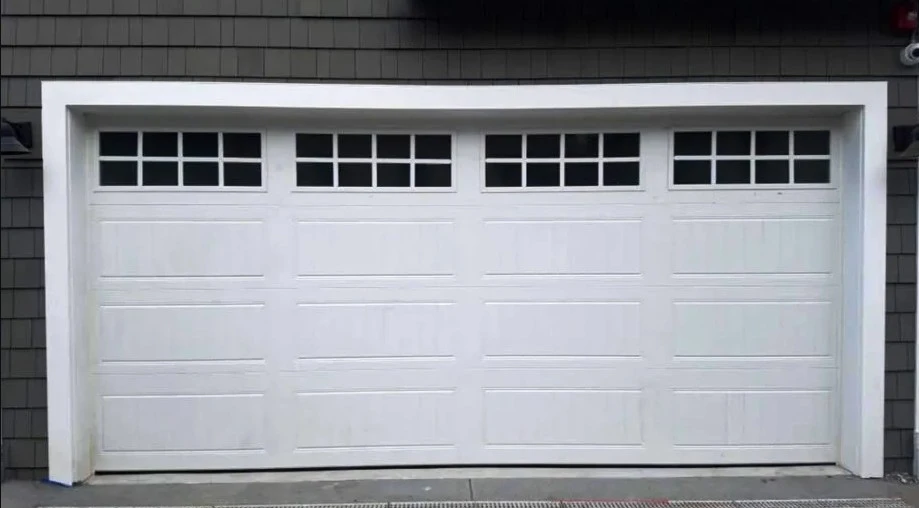
Residential design has become aspirational. Garage façades often represent 30 percent or more of a home’s front elevation. That visibility demands reliability equal to aesthetic ambition.
Thoughtful homeowners understand that visible design sits atop invisible strength. The beauty of a seamless door movement reflects engineered balance beneath the surface.
Choosing quality hardware for garage doors is therefore not a minor decision. It is an architectural responsibility.
Conclusion: Engineering the Everyday
Garage systems will continue evolving toward heavier materials, quieter operation, and smarter integration. Yet one principle will remain constant. Mechanical integrity underpins performance.
Robust garage door hardware represents more than hinges and springs. It is the structural backbone that ensures safety, protects investment, and sustains design intent. As residential environments grow more sophisticated, the line between convenience and infrastructure becomes clearer.
Quality hardware simply performs, cycle after cycle, year after year. In a future defined by intelligent homes and heightened expectations, that quiet reliability becomes a strategic advantage.