
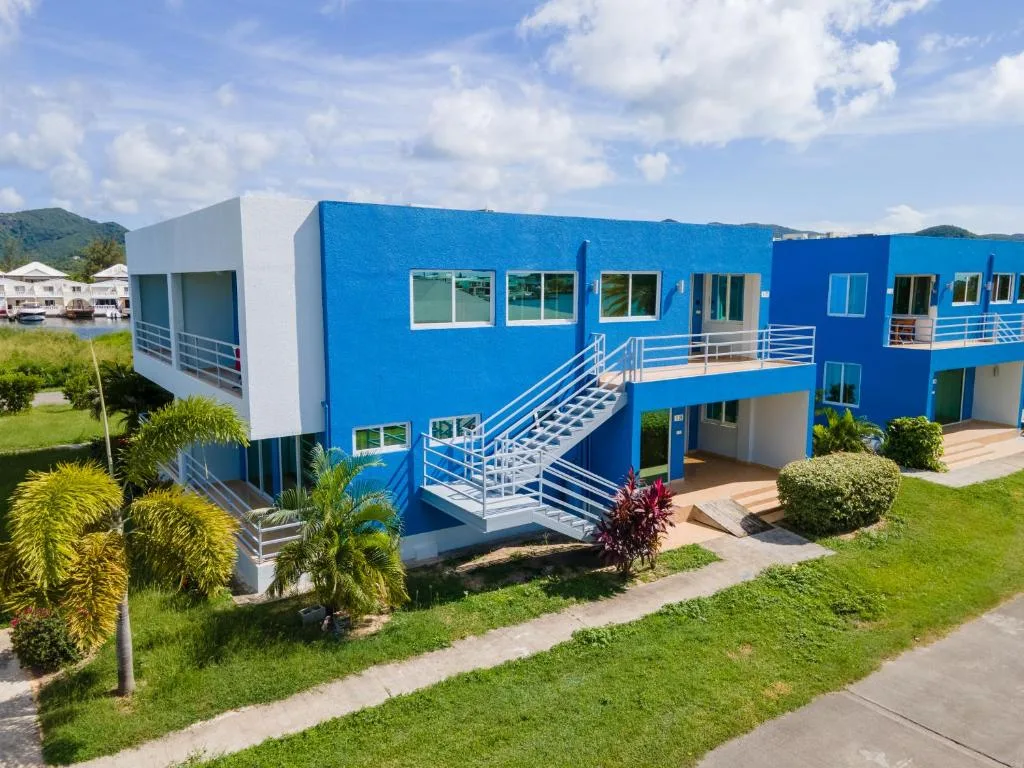
Residential living today is no longer defined solely by the physical structure of a home. Instead, it is shaped by the overall lifestyle experience, including comfort, convenience, surrounding amenities, and the quality of the environment. Homebuyers increasingly seek developments that support both practical daily living and long-term well-being.
In this context, Island Residences Condo is often discussed in terms of how it supports a balanced residential lifestyle, combining comfort-driven design considerations with access to essential urban conveniences.
Understanding Modern Residential Comfort
Comfort in residential living extends beyond interior design. It includes how well a home supports daily routines, relaxation, and personal well-being.
Key elements of residential comfort include:
- Functional and efficient layout design
- Adequate natural lighting and ventilation
- Quiet and private living spaces
- Easy access to daily necessities
These factors contribute to a more enjoyable and sustainable living experience.
Layout Design and Everyday Usability
A well-planned layout is central to residential comfort. It determines how easily residents can move through and utilize their living space.
Important layout considerations include:
- Clear separation of living and resting areas
- Efficient use of space without unnecessary corridors
- Flexible room configurations
- Practical furniture placement options
Good design improves both convenience and comfort.
Interior Space and Functional Living
Interior space planning plays a significant role in how livable a home feels. It focuses on maximizing usability while maintaining a sense of openness.
Key aspects include:
- Open-concept living and dining areas
- Smart storage solutions
- Multi-purpose spaces for different needs
- Balanced room proportions
These features help create a more organized and comfortable home environment.
Environmental Comfort and Surroundings
The external environment of a residential development also affects comfort levels. A well-maintained and thoughtfully planned neighborhood enhances daily living.
Key environmental factors include:
- Clean and well-maintained surroundings
- Access to greenery and open spaces
- Reduced noise and congestion
- Safe pedestrian-friendly pathways
A positive environment supports better quality of life.
Access to Daily Conveniences
Convenience is closely linked to residential comfort. Easy access to essential services reduces daily stress and improves efficiency.
Common nearby conveniences include:
- Supermarkets and grocery stores
- Healthcare and medical services
- Dining and food options
- Retail and lifestyle outlets
These amenities support a smoother daily routine.
Connectivity and Ease of Movement
Transport accessibility plays a major role in residential satisfaction. Good connectivity allows residents to move freely across the city with minimal effort.
Key connectivity advantages include:
- Access to public transport networks
- Proximity to major road systems
- Reduced commuting time
- Multiple travel route options
Efficient transport improves both lifestyle comfort and productivity.
Lifestyle Amenities and Recreational Comfort
Modern residential living includes access to lifestyle and recreational facilities that support relaxation and wellness.
Key amenities include:
- Fitness centers and gyms
- Parks and outdoor recreation areas
- Shopping and entertainment hubs
- Community spaces for social interaction
These facilities contribute to a balanced and active lifestyle.
Family-Friendly Living Environment
For families, residential comfort is also influenced by safety, accessibility, and proximity to essential services.
Important family-oriented features include:
- Nearby educational institutions
- Safe residential surroundings
- Childcare and enrichment centers
- Community recreational areas
These factors support long-term family well-being.
Long-Term Residential Satisfaction
Comfort is not just about immediate experience but also long-term livability. A well-planned residential environment maintains its appeal over time.
Key long-term considerations include:
- Sustainable infrastructure and maintenance
- Continued accessibility to amenities
- Stable neighborhood development
- Ongoing demand for the location
These elements ensure lasting residential satisfaction.
Conclusion
Residential lifestyle and comfort are shaped by a combination of internal design, surrounding environment, accessibility, and available amenities. Together, these factors determine how well a home supports everyday living and long-term well-being.
Island Residences Condo reflects these principles through its emphasis on functional living spaces, convenient access to services, and a balanced urban environment. Understanding these insights helps homebuyers evaluate whether a development aligns with their lifestyle expectations and long-term residential goals.