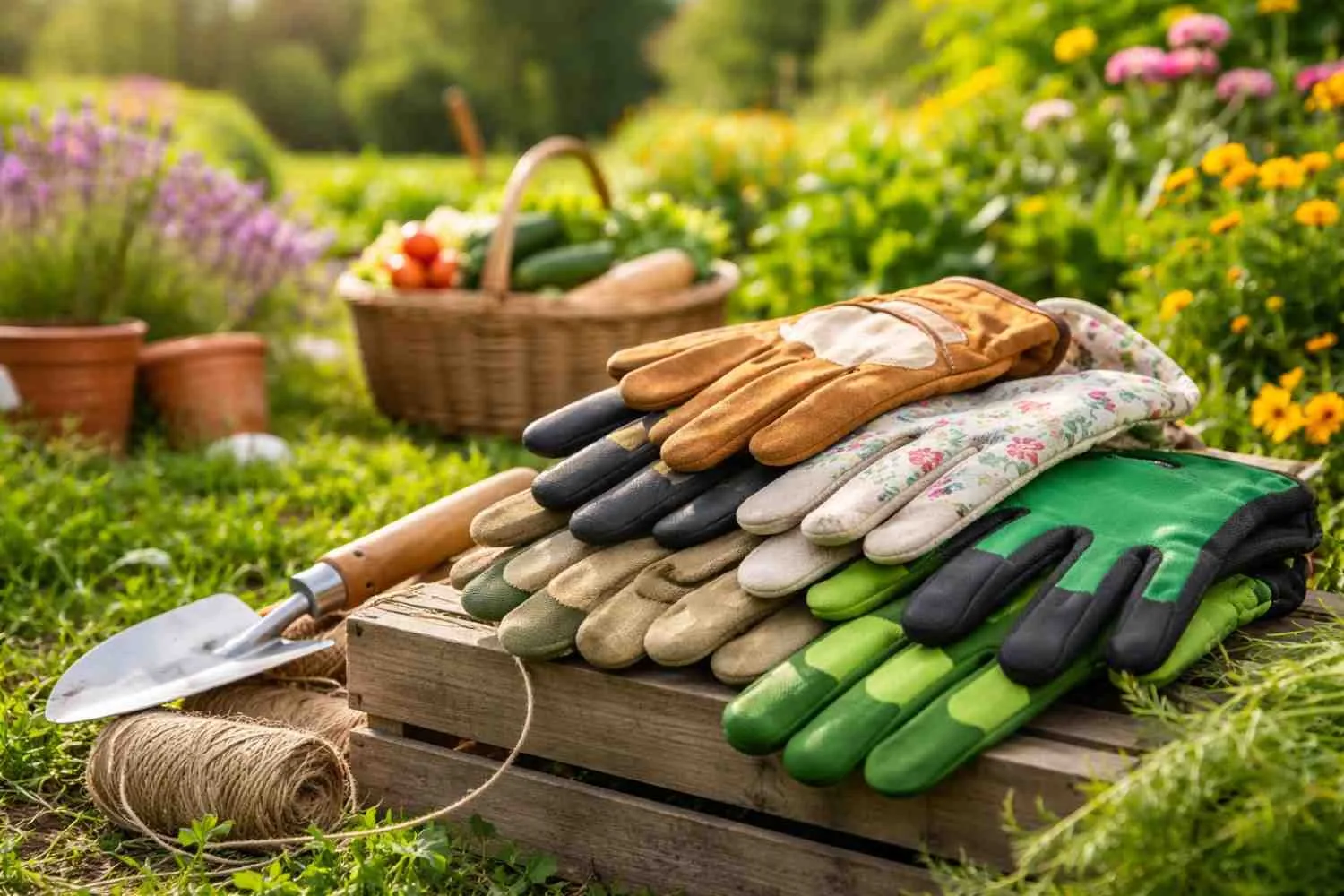
Starting a manufacturing venture in the protective gear industry can be both rewarding and complex. Among the many niches available, glove production stands out due to its consistent demand across gardening, agriculture, landscaping, and industrial sectors. Entrepreneurs exploring opportunities often begin by researching factors like garden gloves manufacturing plant cost to understand the financial and operational scope of entering this market.
This guide provides a comprehensive and practical breakdown of what it takes to establish a production facility, from initial investment considerations to long-term profitability strategies.
Understanding the Scope of a Glove Manufacturing Business
Before diving into costs, it is important to understand what a glove manufacturing operation entails. This type of business involves multiple stages, including raw material sourcing, processing, cutting, stitching or molding, coating, quality inspection, and packaging.
Depending on the scale, production can range from small workshops to fully automated industrial plants. Each level requires different investments, technologies, and workforce structures.
The scope also depends on the product range. Basic cotton gloves require simpler machinery, while coated or specialized gloves demand advanced equipment and processes.
Key Factors That Influence Setup Investment
The total investment required for setting up a manufacturing facility can vary widely. Several factors determine the overall budget.
Location plays a major role. Land costs, labor rates, and utility expenses differ significantly across regions. Industrial zones may offer infrastructure benefits but come with higher rental or purchase costs.
Production capacity is another critical factor. A small-scale unit requires less capital but has limited output. Larger facilities demand higher investment but offer economies of scale.
Technology level also affects cost. Manual or semi-automated systems are more affordable initially, while fully automated lines require substantial capital but improve efficiency and consistency.
Understanding these variables helps in planning a realistic budget.
Machinery and Equipment Requirements
Machinery forms the backbone of any manufacturing operation. The type and number of machines depend on the product range and production scale.
Basic equipment includes cutting machines, stitching machines, and finishing tools. For coated gloves, additional machinery such as dipping lines and curing ovens are required.
Automation can significantly increase productivity. Advanced machines reduce labor dependency and improve precision. However, they also increase initial investment.
Maintenance and spare parts should also be considered. Reliable equipment ensures consistent production and minimizes downtime.
Raw Material Costs and Supply Chain
Raw materials are a recurring expense that directly impacts production cost and product quality.
Common materials include cotton fabric, leather, latex, nitrile, and synthetic blends. The choice depends on the type of gloves being produced.
Establishing a stable supply chain is essential. Fluctuations in material prices can affect profitability. Long-term contracts with suppliers can help stabilize costs.
Quality of materials should never be compromised. High-quality inputs result in better products and stronger market reputation.
Labor and Workforce Planning
Labor is another significant component of manufacturing cost. The number of workers required depends on the level of automation and production capacity.
Skilled workers are essential for tasks such as stitching, quality control, and machine operation. Training programs may be necessary to ensure efficiency and consistency.
Wages vary based on location and skill level. It is important to balance cost with quality to maintain productivity.
Workplace safety and compliance with labor regulations should also be prioritized. This not only protects workers but also enhances the credibility of the business.
Infrastructure and Facility Setup
Setting up a production facility involves more than just installing machines. Infrastructure plays a crucial role in ensuring smooth operations.
The facility should have adequate space for production, storage, and administrative activities. Proper ventilation, lighting, and safety measures are essential.
Utilities such as electricity, water, and waste management systems must be reliable. These factors directly affect production efficiency.
Investing in a well-designed facility reduces operational challenges and supports long-term growth.
Licensing and Regulatory Requirements
Manufacturing businesses must comply with various legal and regulatory requirements. These may include business registration, environmental permits, and safety certifications.
Compliance ensures that operations run smoothly without legal interruptions. It also builds trust with customers and partners.
Understanding local regulations is essential before starting the project. Consulting with legal and industry experts can help navigate this process.
Operational Costs and Ongoing Expenses
In addition to initial investment, ongoing operational costs must be considered. These include raw materials, labor, utilities, maintenance, and logistics.
Marketing and distribution expenses also play a role in overall cost structure. Reaching target markets requires strategic planning and investment.
Efficient management of operational costs is key to maintaining profitability. Regular monitoring and optimization can help reduce unnecessary expenses.
Profit Margins and Return on Investment
Profitability depends on several factors, including production efficiency, product quality, and market demand.
Higher efficiency leads to lower production costs and better margins. Investing in quality and branding can also command higher prices in the market.
Return on investment varies based on scale and strategy. Small-scale units may achieve quicker returns with lower risk, while large-scale operations offer higher long-term potential.
Understanding market trends and customer preferences is essential for maximizing profitability.
Customization and Market Differentiation
Customization is becoming an important factor in the glove industry. Offering personalized products can help differentiate a business from competitors.
Custom designs, branding options, and specialized features attract a wider range of customers. This approach can also justify premium pricing.
Focusing on niche markets such as eco-friendly gloves or professional-grade products can create additional opportunities.
Innovation and adaptability are key to staying competitive in this evolving market.
Sustainability and Environmental Impact
Sustainability is increasingly important in manufacturing. Businesses are expected to minimize their environmental footprint and adopt responsible practices.
Using eco-friendly materials and reducing waste can enhance brand reputation. Energy-efficient machinery and processes also contribute to sustainability goals.
Compliance with environmental regulations is essential. It ensures long-term viability and avoids potential penalties.
Sustainable practices are not just ethical but also beneficial for business growth.
Challenges in Setting Up a Manufacturing Plant
Starting a manufacturing business comes with its own set of challenges. High initial investment, market competition, and supply chain uncertainties are common obstacles.
Managing quality consistently can also be challenging, especially during the early stages. Building a reliable team and establishing efficient processes takes time.
However, with careful planning and strategic decision-making, these challenges can be overcome.
Future Outlook of the Glove Manufacturing Industry
The demand for protective gloves is expected to remain strong due to increasing awareness of safety and hygiene.
Technological advancements are likely to improve production efficiency and product quality. Automation and smart manufacturing systems will play a significant role.
Sustainability trends will continue to shape the industry, encouraging innovation in materials and processes.
Businesses that adapt to these changes will be well-positioned for long-term success.
Conclusion
Establishing a glove manufacturing facility requires careful planning, significant investment, and a clear understanding of market dynamics. From machinery and materials to labor and infrastructure, every aspect plays a crucial role in determining overall cost and profitability.