
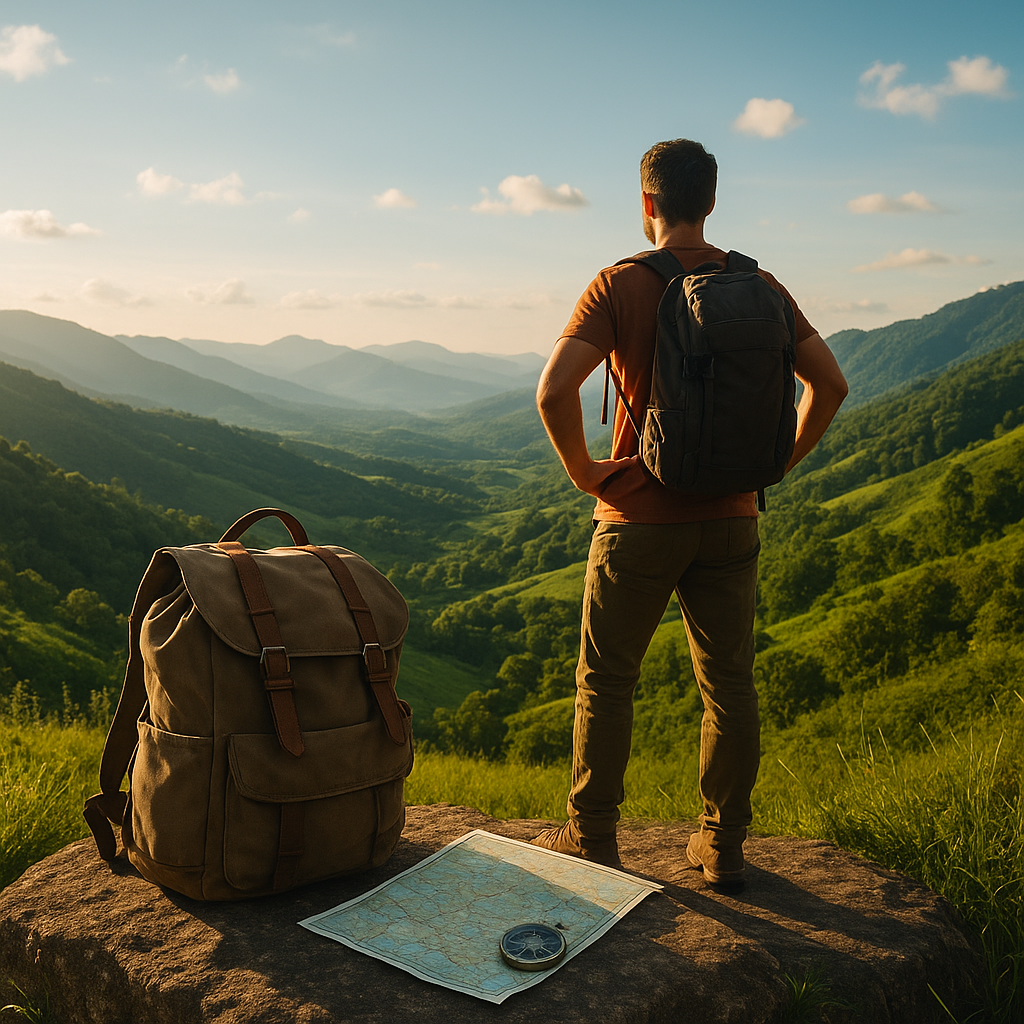
The Moment You Decide to Travel: A Scene of Possibilities
Imagine standing at the threshold of an airport departure gate, suitcase in hand, heart pounding with a mix of excitement and apprehension. Around you, the hum of announcements, the shuffle of travelers, and the kaleidoscope of languages form a backdrop to a moment of transformation. This scene encapsulates the essence of beginning to travel—a decision that opens doors to unfamiliar cultures, new perspectives, and personal growth.
In 2026, the global travel landscape is more accessible yet complex than ever before. While technology has smoothed many logistical challenges, factors such as environmental considerations, geopolitical shifts, and evolving traveler expectations require a nuanced approach. According to the World Tourism Organization, international tourist arrivals reached 1.5 billion in 2025, demonstrating a robust recovery and growth post-pandemic, but with a renewed emphasis on sustainable and mindful travel.
Starting your travel journey today means embracing this dynamic environment with preparation and insight. It’s far more than booking a flight; it’s about understanding the opportunities and challenges that come with exploring the world in this decade. This article will equip you with a comprehensive roadmap, from initial inspiration to practical execution, informed by the latest trends and expert perspectives.
“Travel is the only thing you buy that makes you richer,” a timeless adage that rings truer amid 2026’s travel renaissance.
Tracing the Evolution: How We Arrived at Today’s Travel Landscape
The concept of travel has evolved dramatically over centuries, shaped by technological, economic, and social changes. In the early 21st century, the rise of low-cost airlines and online booking platforms democratized travel, enabling mass tourism. However, the COVID-19 pandemic in the early 2020s disrupted global mobility, forcing an industry-wide reevaluation.
Post-pandemic recovery accelerated innovations such as digital health passports, AI-driven personalized itineraries, and enhanced virtual reality previews of destinations. Environmental concerns also gained prominence, with travelers increasingly seeking low-impact options and destinations adopting responsible tourism practices. In 2026, travel is no longer just a leisure activity but a carefully curated experience aligned with personal values and global stewardship.
This evolution also intersects with lifestyle shifts. Remote work and digital nomadism have surged, supported by improved connectivity and shifting employer attitudes. This trend influences how people approach travel, blending work and exploration in ways previously uncommon.
Understanding this background helps contextualize the contemporary traveler’s mindset. It also highlights why foundational preparations are critical to fully benefit from travel opportunities today.
Industry veteran Sarah Lin notes, “Today’s travelers seek authenticity and impact. They want to connect deeply, not just check off sights.”
Core Steps to Begin Your Travel Journey
Embarking on travel involves multiple dimensions—from logistical planning to mindset shifts. Here is a detailed roadmap to get started effectively:
- Define Your Travel Purpose and Style: Are you seeking cultural immersion, adventure, relaxation, or professional growth? Clarifying your goals informs destination choice and itinerary design.
- Budget and Financing: Determine your budget realistically, accounting for flights, accommodation, insurance, visas, daily expenses, and contingencies. Tools like budgeting apps and financial planners can aid this process.
- Research and Select Destinations: Use credible resources such as official tourism websites, travel forums, and expert reviews. Consider factors like safety, accessibility, climate, and local customs.
- Documentation and Health Preparations: Ensure passports are valid for at least six months. Investigate visa requirements and apply early. Stay updated on vaccinations and health advisories relevant to your destination.
- Booking and Logistics: Leverage technology for flight and accommodation bookings, prioritizing flexible options to accommodate unforeseen changes, a lesson reinforced by recent years.
- Packing and Gear: Pack smartly with essentials tailored to your destination and activities. Sustainable and multi-functional gear is increasingly popular.
- Safety and Insurance: Obtain comprehensive travel insurance covering health, cancellations, and emergencies. Familiarize yourself with local emergency contacts and protocols.
- Mindset and Cultural Sensitivity: Cultivate openness and respect for local cultures and traditions, enhancing your experience and fostering mutual respect.
Each step requires attention to detail and a proactive approach. For instance, destination research now often includes checking environmental initiatives or the presence of overtourism, to align with responsible travel values.
In tandem with these steps, new tools and platforms have emerged to assist travelers. For example, AI-driven itinerary planners can optimize routes based on preferences and real-time data, while community-driven apps offer hyper-local insights.
Current Developments Shaping Travel in 2026
The travel industry in 2026 reflects a blend of technological innovation, sustainability imperatives, and shifting traveler demographics.
Technological Innovations: Augmented reality (AR) and virtual reality (VR) previews of destinations are now mainstream, helping travelers make informed choices and manage expectations. Biometric boarding and AI customer service bots streamline airport experiences, reducing friction. According to the International Air Transport Association (IATA), biometric processing has increased passenger throughput by 35% globally.
Sustainable and Ethical Travel: Travelers increasingly prioritize carbon-neutral options, local community engagement, and eco-friendly accommodations. The rise of “slow travel” — longer stays in fewer destinations — reflects a shift toward deeper connections and reduced carbon footprints.
Demographic Changes: The 2026 traveler profile is more diverse, with Gen Z and Millennials accounting for over 55% of international travelers. Their preferences lean toward experiential and socially responsible travel, influencing industry offerings.
Regulatory and Health Measures: Although pandemic-era restrictions have largely eased, health safety remains integral. Digital health credentials and rapid testing options are standard, facilitating smooth international movement.
Work and Travel Integration: The digital nomad phenomenon is supported by countries offering specialized visas and infrastructure. Remote work hubs in cities like Lisbon, Bali, and Medellín have blossomed, offering vibrant communities and amenities.
- Biometric airport processing increased efficiency by 35% globally (IATA, 2026)
- Gen Z and Millennials represent 55%+ of international travelers (WTTC, 2026)
- Over 60 countries offer digital nomad visas (Travel Industry Reports, 2026)
- Carbon-neutral travel options grew by 40% in the last 3 years (Sustainable Travel Association)
These trends underscore the importance of adaptability and informed decision-making for new travelers.
Expert Insights and Industry Impact on New Travelers
Industry leaders emphasize a holistic approach to travel initiation. Jessica Moreno, CEO of WanderWell, a leading travel consultancy, highlights that “starting your travel journey today means embracing technology without losing sight of meaningful, human connections.”
Experts advocate for education as a core component. This includes understanding geopolitical nuances, environmental impacts, and cultural sensitivities. Travel is viewed increasingly as a vehicle for global citizenship rather than mere leisure.
Travel agencies and platforms have shifted from product-centric models to experience-centric ones. This transition benefits newcomers by providing tailored guidance and immersive options that align with individual values.
Moreover, the rise of peer-to-peer sharing and community platforms empowers novice travelers with real-time, authentic advice. Social media continues to influence destination popularity but is balanced with critical evaluation to avoid the pitfalls of overtourism and misinformation.
Industry Impact:
- Growth in sustainable travel sectors creates opportunities for eco-conscious travelers.
- The proliferation of digital nomad visas fosters a new class of long-term explorers.
- Travel education programs, including online courses and workshops, are becoming mainstream, supporting informed travel.
- Technology companies invest heavily in AI and VR to personalize travel experiences, reducing barriers for first-timers.
Given these developments, newcomers should leverage expert resources and community knowledge to optimize their travel experience.
For readers interested in aligning travel with digital security, exploring how to get started with VPNs can ensure safer online activity abroad. Similarly, those intrigued by unconventional exploration might find value in space exploration insights, broadening the horizon of travel possibilities.
Looking Ahead: What New Travelers Should Watch For
The future of travel promises continued innovation and transformation. For those starting their journey, staying informed and adaptable will be key.
Emerging Trends to Monitor:
- Hyper-Personalization: AI will increasingly tailor travel experiences down to individual preferences, dietary needs, and even mood.
- Space Tourism Expansion: While still niche, suborbital and lunar tourism options are advancing, heralding a new frontier for adventurous travelers.
- Climate Adaptation: Destinations will adapt infrastructure and offerings to climate realities, affecting when and where to travel.
- Regulatory Changes: International agreements on travel standards and environmental impact may evolve, impacting visa policies and travel costs.
Travelers who cultivate flexibility and continuous learning will thrive. Engaging with ethical travel practices not only enriches the experience but also contributes positively to host communities and the planet.
Actionable Takeaways for Beginners:
- Start small: Plan short trips locally or regionally to build confidence and skills.
- Leverage technology: Use apps and platforms for planning, safety, and immersive previews.
- Engage communities: Join travel forums, attend workshops, and seek expert advice.
- Prioritize sustainability: Choose eco-friendly options and support local economies.
- Be culturally curious and respectful: Approach each destination with openness and humility.
By integrating these principles, new travelers can forge meaningful journeys that resonate long after returning home.
Travel expert Daniel Hughes sums it up: “Starting with intention and knowledge transforms travel from a trip into a transformative life experience.”
Case Study: A Novice Traveler’s Journey from Hesitation to Confidence
Take the example of Maya Thompson, a 28-year-old marketing professional from Chicago, who embarked on her first international trip in early 2026. Initially overwhelmed by choices and logistics, Maya followed a structured approach to get started:
- Purpose Identification: She sought cultural immersion and language practice.
- Destination Research: After evaluating safety and cost, she chose Lisbon, Portugal, a growing remote work hub with rich heritage.
- Preparation: Maya secured a digital nomad visa, booked flexible tickets, and attended an online cultural orientation.
- Execution: She used AR apps to preview neighborhoods and booked eco-friendly accommodation.
- Experience: Maya engaged with local communities, practiced Portuguese, and balanced work with exploration.
Maya’s story highlights practical application of the steps outlined and the benefits of a methodical approach. Her successful journey inspired her to plan further travels, now with greater confidence and awareness.
This case underscores the value of preparation, technology, and mindset for new travelers, reinforcing the article’s core guidance.
Starting your travel journey is a profound decision that can enrich life in countless ways. With the right approach, tools, and insights, the world becomes an accessible classroom, playground, and sanctuary.