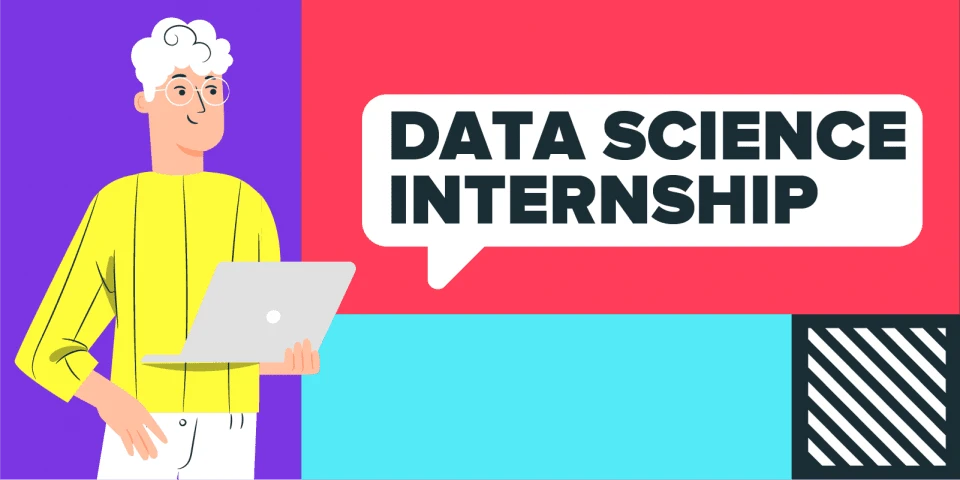
Getting a data science internship can feel overwhelming—especially when you're just starting out and see job posts filled with buzzwords like machine learning, TensorFlow, and predictive modeling. Many students and beginners think they need a perfect résumé, advanced degrees, or multiple certifications before even applying. But the truth is, breaking into data science is absolutely possible with the right approach, the right strategy, and the right mindset.
In this article, we’ll walk through a beginner-friendly but deeply practical guide on how to get a data science internship, from building foundational skills to networking effectively, showcasing a strong portfolio, and preparing for interviews. Think of it like getting advice from a friend who's already cracked the data science world—clear, honest, and actionable.
Before jumping into the “how,” let’s talk about why internships are such a big deal.
A data science internship gives you:
- Hands-on experience solving real-world problems
- Exposure to datasets that aren’t just from Kaggle
- An understanding of how companies use data
- Networking and mentorship opportunities
- A chance to turn theoretical knowledge into practical skills
- A strong addition to your résumé
- And in many cases… a full-time job offer later
In short, internships bridge the gap between learning and doing.
You don’t need to know everything about data science to land an internship. You just need a strong foundation.
Essential Technical Skills
Here are the must-have skills most internship programs expect:
1. Python
The heart of data science. Be comfortable with:
- Variables
- Loops
- Functions
- Data structures
- Libraries like NumPy, Pandas, Matplotlib, and Scikit-learn
2. Statistics & Probability
This is what makes data science science. Learn:
- Mean, median, variance
- Correlation
- Hypothesis testing
- Probability distributions
- Statistical significance
3. Data Cleaning & Exploration (EDA)
Companies care more about EDA skills than advanced ML models.
4. Machine Learning Basics
Understand:
- Regression
- Classification
- Clustering
- Train/test split
- Overfitting and underfitting
5. SQL
Data lives in databases; you must know how to query it.
Recommended Tools (Not mandatory but helpful)
- Jupyter Notebook
- Power BI or Tableau
- Git & GitHub
- Excel (still king in many places)
Don’t overwhelm yourself. Focus on getting these foundations solid before jumping into advanced deep learning or complex algorithms.
A portfolio is your golden ticket. Recruiters want proof—not just certificates.
What Makes a Good Portfolio?
- Projects that solve real problems
- Clear explanation of approach
- Readable code
- Visual storytelling
- Business context, not just graphs
Beginner-Friendly Project Ideas
You don’t need fancy datasets. Here are practical options:
1. EDA Project
Pick a dataset and uncover insights.
Example: “What factors contribute most to car price?”
2. Classification Project
Predict whether a customer will churn.
3. Regression Project
Predict housing prices.
4. Sentiment Analysis
Analyze text data like reviews or tweets.
5. A Simple Dashboard
Show your ability to communicate insights visually.
Pro Tips
- Keep projects short but polished.
- Add simple write-ups explaining why you made decisions.
- Use GitHub for version control.
- Aim for 3–5 solid projects rather than 20 basic ones.
Your resume doesn’t need to be full of job experience. It needs to highlight your skills, projects, and potential.
Key Sections to Include
- Summary (short and clear)
- Technical skills
- Projects (with short descriptions)
- Certifications (optional)
- Soft skills
- Education
Tips for Writing a Strong Data Science Resume
- Use action words like “Analyzed,” “Built,” “Developed,” “Optimized.”
- Quantify whenever possible.
- e.g., “Improved prediction accuracy by 12%.”
- Don’t list every skill—list the ones you know well.
- Keep it to one page.
Networking doesn’t mean sending random DMs. It means building genuine connections.
Where to Network
- Data science communities
- Hackathons
- Webinars and online events
- College networks
- Career fairs
How to Network the Right Way
Here’s a simple strategy:
1. Engage
Comment on posts, join discussions.
2. Ask for Advice, Not Jobs
People respond better when you’re seeking guidance, not favors.
Example:
“Hi! I’m learning data science and building my portfolio. Could you share two skills that helped you land your first role?”
3. Follow Up
Stay in touch, share updates, and be consistent.
Don’t apply to every internship on the internet. Be strategic.
Where to Find Internships
- Job boards
- Career pages of companies
- Startup job listings
- Referrals
How to Apply Effectively
- Customize your resume for each role
- Include a short, personalized cover letter
- Apply early—internship roles fill fast
- Reach out to the recruiter after applying
Pro Tip: Target Startups
Startups often hire interns faster and with fewer requirements.
Data science interviews typically cover three areas:
1. Technical Knowledge
Expect questions like:
- Explain supervised vs unsupervised learning
- Difference between correlation and causation
- What is overfitting?
- How does a decision tree work?
2. SQL and Python Tasks
You may be asked to:
- Clean data
- Write queries
- Perform simple model building
3. Behavioral Questions
These test communication and teamwork skills.
Common behavioral questions:
- “Tell me about a project you worked on.”
- “How do you handle challenges?”
- “Why data science?”
Tips for a Great Interview
- Practice explaining concepts simply
- Use examples from your projects
- Show curiosity and willingness to learn
- Don’t pretend to know everything—honesty wins
If internship calls are slow, don’t worry—there are other ways to gain experience.
1. Contribute to Open-Source Projects
Great for collaboration experience.
2. Participate in Hackathons
You learn a lot in a short time.
3. Freelance Small Data Tasks
Even simple tasks help build credibility.
4. Solve Real Problems for Friends or Local Businesses
Example:
Analyze sales data for a small shop or create a basic dashboard.
5. Continue Learning
Take small steps daily. Consistency beats intensity.
Today, your online presence can be as important as your resume.
What to Showcase
- Projects
- Case studies
- Visualizations
- Short explainers or insights
- Your learning journey
Platforms You Can Use
- GitHub
- Notebooks
- LinkedIn posts
- Personal portfolio website (optional)
Why This Helps
Recruiters often search your name online before shortlisting. Make your digital footprint represent your skills well.
Data scientists don’t just code—they communicate insights.
Important Soft Skills
- Problem-solving
- Curiosity
- Critical thinking
- Communication
- Teamwork
- Time management
Soft skills often differentiate you from other applicants with similar technical knowledge.
Getting a data science internship takes time. You may face rejections. You may feel like giving up. But remember—every expert was once a beginner.
To stay consistent:
- Learn a little every day
- Keep applying
- Keep building
- Keep improving your communication
- Keep refining your portfolio
Persistence beats talent—every time.
1. Trying to learn everything at once
Focus on core skills first.
2. Relying only on certificates
Projects matter more.
3. Sending the same resume everywhere
Customize for each role.
4. Not practicing interviews
Interview prep is essential.
5. Ignoring networking
Many students miss out on unseen opportunities.
Landing a data science internship isn’t about being a genius or mastering every algorithm. It’s about building the right skills, showcasing what you can do, and putting yourself out there. Every project you build, every connection you make, and every job you apply to moves you one step closer.
If you stay consistent, stay curious, and stay committed, your first data science internship is not just possible—it's guaranteed.
Your journey begins now. And trust me, you're far more ready than you think.