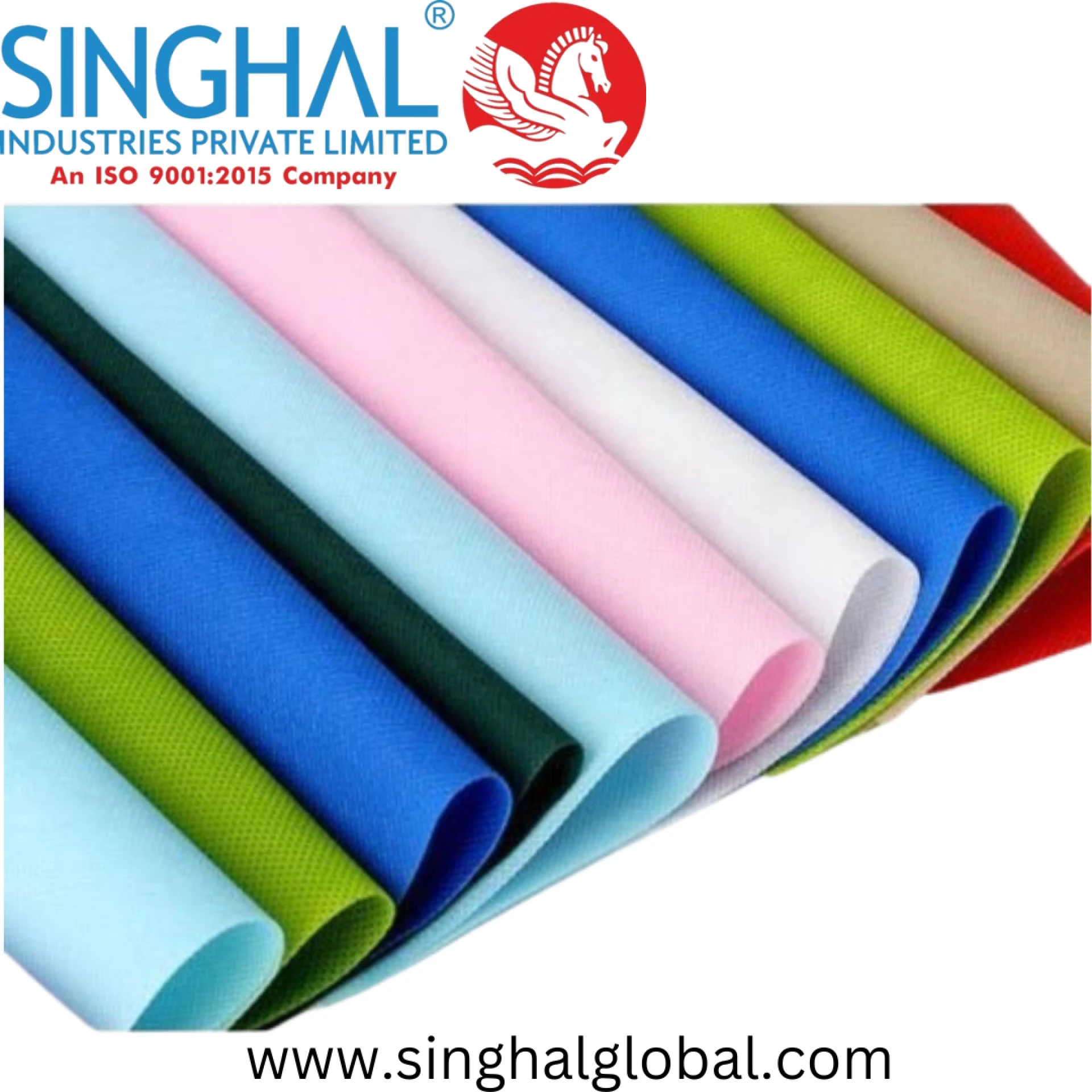
In the dynamic landscape of material science, innovation continually pushes the boundaries of what's achievable. Among the myriad of advancements, polypropylene (PP) spunbond nonwoven fabric stands out as a testament to ingenuity, offering a unique blend of strength, versatility, and cost-effectiveness. This engineered fabric, created through a sophisticated process of melt-spinning continuous filaments and bonding them together, has revolutionized numerous industries, becoming an indispensable component in applications ranging from hygiene and medical textiles to agriculture and construction. Its inherent properties and the adaptability of its manufacturing process have cemented its position as a material of choice for a wide spectrum of needs.
The Manufacturing Process: A Symphony of Engineering
The creation of Spunbond non woven fabric exporters in Gujarat is a marvel of modern engineering. It begins with the melting of polypropylene resin, a readily available and recyclable thermoplastic polymer. This molten polymer is then extruded through spinnerets, devices containing numerous fine nozzles, forming continuous filaments. These filaments are rapidly cooled and drawn, a process that aligns the polymer molecules, significantly enhancing their tensile strength. The drawn filaments are then laid down randomly or in a controlled manner onto a moving conveyor belt, forming a web-like structure. The crucial final step involves bonding these filaments together. Various bonding techniques are employed, including thermal bonding (using heat and pressure), ultrasonic bonding (using high-frequency sound waves), and chemical bonding (using adhesives). The choice of bonding method depends on the desired properties of the final fabric, such as its strength, flexibility, and porosity.
Versatility Across Industries: A Material Without Limits
The inherent characteristics of Spunbond nonwoven manufacturers in Gujarat coupled with the ability to tailor its properties during manufacturing, contribute to its remarkable versatility. In the hygiene industry, it forms the top sheet, back sheet, and acquisition-distribution layer in diapers, sanitary napkins, and incontinence products, prized for its softness, breathability, and fluid management capabilities. The medical sector benefits from its use in surgical drapes, gowns, and sterilization wraps, where its barrier properties and resistance to microbial penetration are critical. Agriculture utilizes it as crop covers, weed barriers, and greenhouse shading, leveraging its strength, durability, and UV resistance. Construction employs it in geotextiles for soil stabilization, drainage, and erosion control, capitalizing on its strength and permeability. Even in packaging, filtration, and furniture, PP spunbond nonwoven fabric finds valuable applications, showcasing its adaptability to diverse functional requirements.
Strength and Durability: Enduring Performance
The term "versatile strength redefined" aptly describes the capabilities of PP spunbond nonwoven fabric. Despite its lightweight nature, it exhibits impressive tensile strength and tear resistance, making it suitable for demanding applications. The continuous filament structure contributes to its durability, allowing it to withstand significant stress and wear. Furthermore, polypropylene itself is chemically inert and resistant to degradation from moisture, mildew, and many chemicals, ensuring a long service life for products made from this fabric. This inherent strength and durability translate to cost-effectiveness for end-users, as products made with PP spunbond nonwoven fabric tend to be long-lasting and require less frequent replacement.
The Role of Gujarat and India in the Global Supply Chain
India, and specifically the state of Gujarat, has emerged as a significant hub for the production and export of PP spunbond nonwoven fabric. Several factors contribute to this prominence, including the availability of raw materials, a skilled workforce, and a growing manufacturing infrastructure. Spunbond nonwoven manufacturers in Gujarat have invested in advanced technologies and production facilities to meet the increasing global demand for this versatile material. The strategic location of Gujarat, with its well-developed port facilities, facilitates efficient export operations. Spunbond non woven fabric exporters in Gujarat play a crucial role in connecting domestic production with international markets, supplying high-quality fabrics to various industries worldwide. Furthermore, PP nonwoven fabric suppliers in India cater to the burgeoning domestic demand, supporting the growth of local manufacturing sectors. The commitment to quality and innovation by Indian manufacturers and suppliers has solidified their position in the global nonwoven fabric market.
Conclusion
PP spunbond nonwoven fabric stands as a remarkable material innovation, its versatility and strength driving its widespread adoption across diverse industries. From hygiene and healthcare to agriculture and construction, its unique properties offer solutions to a multitude of challenges. The significant contribution of India, particularly the spunbond nonwoven manufacturers in Gujarat and the PP nonwoven fabric suppliers in India to the global supply chain underscores the country's growing prominence in the textile and material science sectors. As research and development continue, the potential applications of PP spunbond nonwoven fabric are likely to expand further, solidifying its role as a truly indispensable material in the modern world.
Frequently Asked Questions (FAQ)
Q: What are the key advantages of using PP spunbond nonwoven fabric compared to traditional woven textiles?
A: PP spunbond nonwoven fabric offers several advantages over woven textiles, including lower manufacturing costs, higher production speeds, lighter weight, and enhanced breathability in certain applications. It can also be engineered with specific properties like increased barrier protection or softness, tailored to the end-use.
Q: Is PP spunbond nonwoven fabric environmentally friendly?
A: Polypropylene is a recyclable thermoplastic polymer, which offers some environmental advantages. Additionally, the spunbond manufacturing process can be more energy-efficient compared to traditional textile production. However, the overall environmental impact depends on factors such as the source of the polypropylene, the energy used in manufacturing, and the end-of-life management of the fabric.
Q: What are some innovative applications of PP spunbond nonwoven fabric that are emerging?
A: Beyond its traditional uses, PP spunbond nonwoven fabric is finding innovative applications in areas such as filtration media for air and water purification, battery separators in electric vehicles, and as a reinforcement material in composite materials. Ongoing research is exploring its potential in smart textiles and other advanced applications.