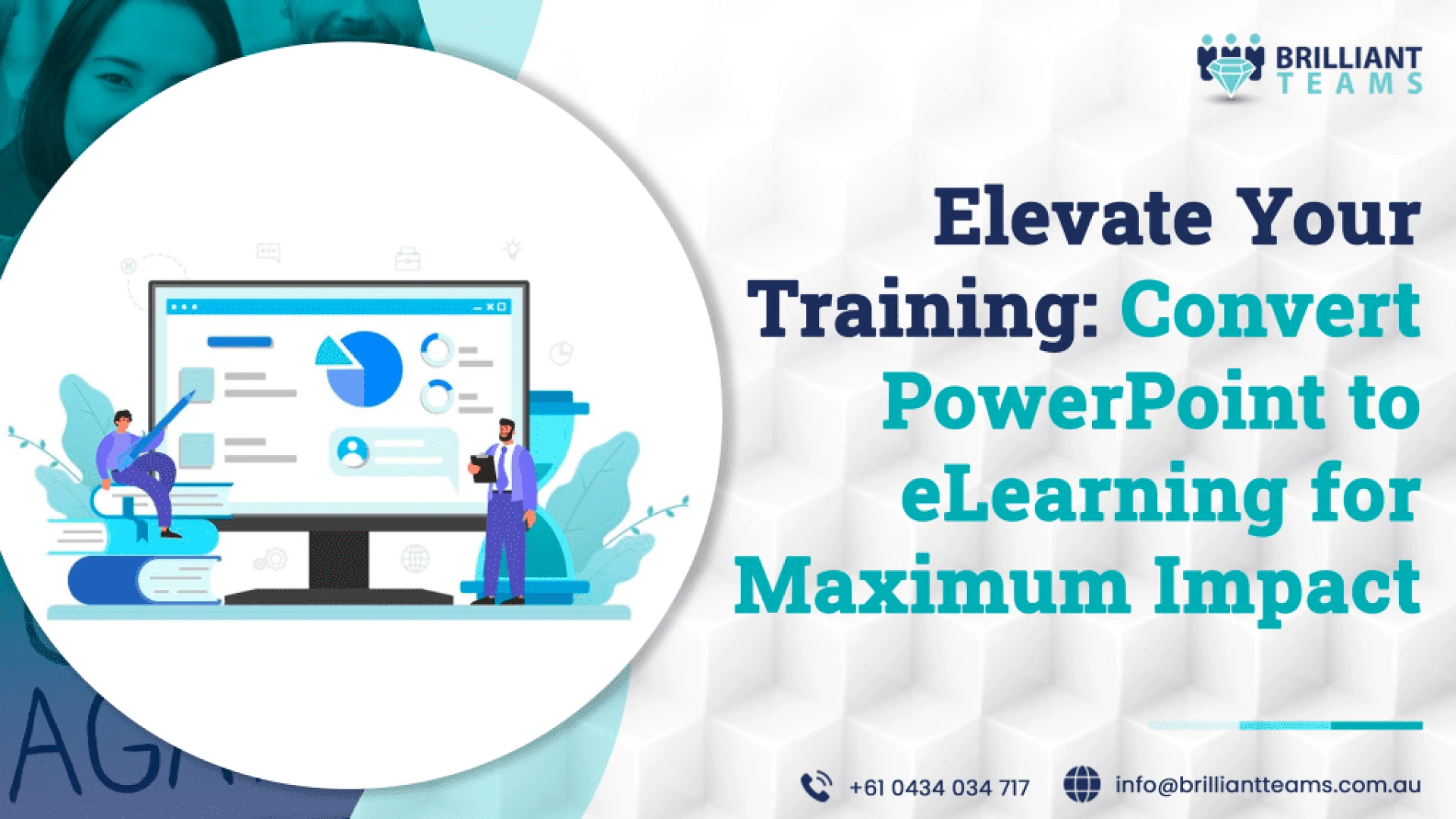
Selecting the best training approach for your organization can be challenging, but a PowerPoint e-learning conversion strategy is often the starting point for transforming traditional content into engaging, interactive modules. By converting static slides into multimedia-rich learning experiences, businesses can create scalable, self-paced courses while maintaining knowledge retention and learner engagement. Choosing the right blended learning solution involves evaluating content delivery methods, interactivity, scalability, and integration with technology. A reliable lms for companies ensures seamless deployment, centralized tracking, and detailed analytics, enabling organizations to measure ROI, improve learner outcomes, and optimize corporate training programs effectively.
Why Is Blended Learning Essential for Modern Businesses?
Companies increasingly adopt blended learning because it combines online modules with instructor-led sessions, providing a more flexible and effective training experience. Key advantages include:
- Flexibility for employees to learn at their own pace.
- Engaging formats with videos, simulations, and interactive quizzes.
- Measurable outcomes through assessments and analytics.
- Cost savings by leveraging existing content efficiently.
Blended learning bridges traditional classroom training and digital education, offering a comprehensive approach to workforce development.
How Do You Assess Your Training Needs?
Before choosing a solution, businesses must identify learning objectives and gaps:
- What skills or knowledge do employees need to develop?
- Are there regulatory or compliance requirements?
- Which employees need specialized or role-specific training?
- How will training impact performance metrics and business goals?
Answering these questions ensures the blended learning solution aligns with your company’s strategic objectives.
What Features Make a Blended Learning Solution Effective?
Not all platforms are created equal. The best solutions include:
- Interactive Content – Videos, quizzes, simulations, and branching scenarios.
- Personalized Learning Paths – Self-paced modules and optional coaching.
- Collaboration Tools – Forums, group activities, and peer learning.
- Analytics & Reporting – Track engagement, completion rates, and knowledge retention.
These features help employees stay engaged, retain knowledge, and apply skills effectively.
Can Converting PowerPoint Content Enhance Your Training Program?
Yes. Many organizations have existing PowerPoint content that can be repurposed through PowerPoint e-learning conversion. Converting slides into interactive modules provides:
- Better engagement through multimedia and interactivity.
- Scalable learning accessible to remote or hybrid teams.
- Measurable outcomes with built-in assessments.
Businesses seeking expert conversion services often rely on Brilliant Teams for transforming legacy content into interactive, learner-focused modules.
How Important Is Integration With an LMS?
A strong lms for companies is vital for delivering, managing, and measuring blended learning programs. Key benefits include:
- Centralized hosting and course management.
- Tracking learner progress, engagement, and completion.
- Data-driven insights to optimize content and outcomes.
- Seamless integration with existing corporate learning strategies.
Integrating converted PowerPoint modules and other digital content into a reliable LMS ensures consistency, scalability, and measurable results. Organizations often leverage Brilliant Teams’ top elearning platform for employee training to achieve maximum impact and continuous development.
How Do You Evaluate ROI and Effectiveness?
To measure success, consider:
- Completion rates and learner engagement.
- Assessment scores and practical skill application.
- Feedback from employees and managers.
- Cost savings and scalability metrics.
Evaluating these factors helps businesses refine training programs and choose a blended learning solution that delivers measurable results.
Final Thoughts
Choosing the right blended learning solution requires evaluating content, delivery methods, interactivity, and technology integration. Leveraging PowerPoint e-learning conversion ensures existing content is engaging and effective, while pairing it with a robust lms for companies allows organizations to manage, track, and optimize learning outcomes efficiently. By combining interactive digital modules with instructor-led sessions, businesses can improve employee skills, engagement, and performance, creating a high-impact, future-ready workforce.