Browse any catalog of botanical powders and extracts, and you’ll see the same plant sold in two forms: a plain powder and an extract with a number attached, such as “10x,” “20:1,” or “25x.” The extract usually costs more per gram, and the number invites an easy conclusion: bigger means better.
That conclusion is wrong, or at least incomplete. A powder and an extract are different products, not weaker or stronger versions of the same one. Knowing what separates them makes labels easier to read and marketing claims easier to question.
What a Botanical Powder Is
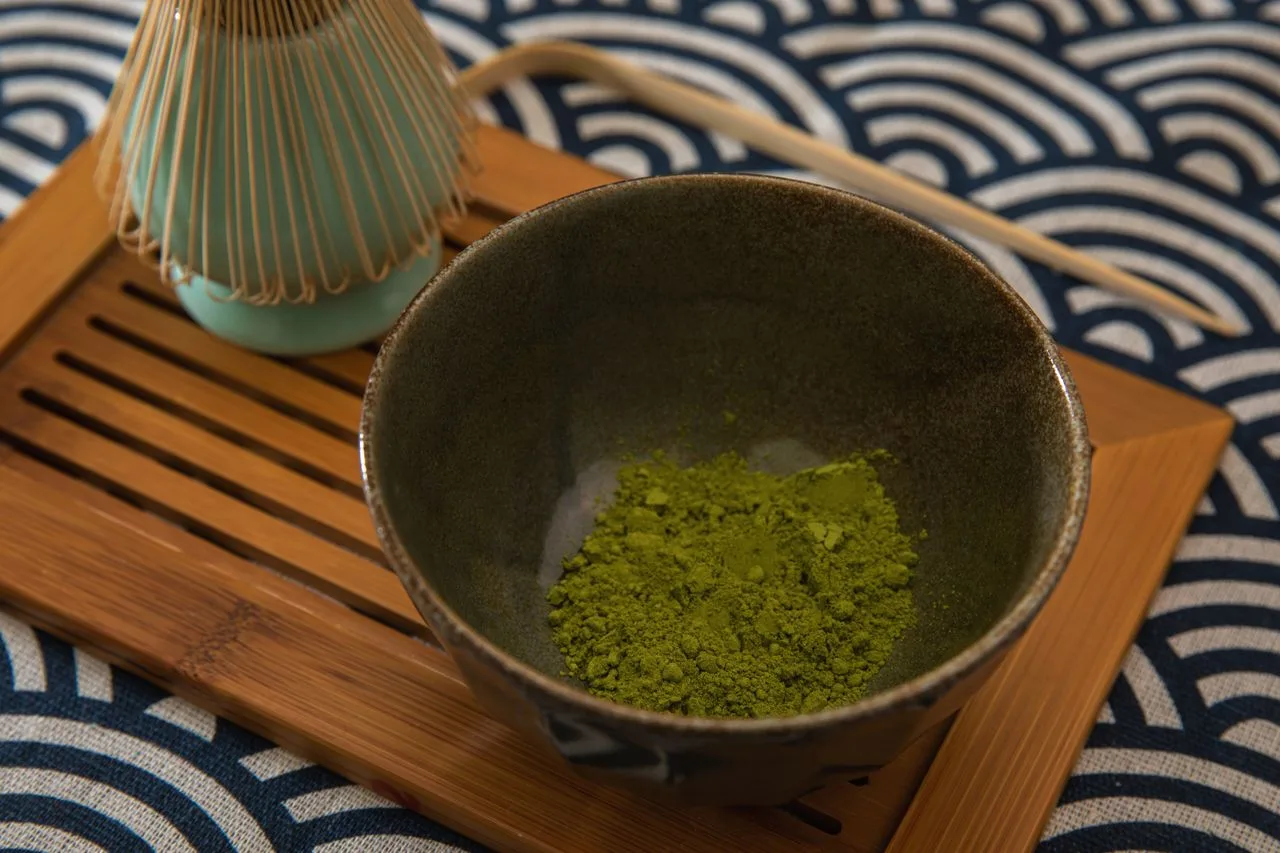
A botanical powder is dried plant material ground to a specific fineness. It is the whole part of the plant that was used, whether root, leaf, flower, or seed, with nothing deliberately removed. That means it contains the plant’s soluble compounds and also its insoluble material, mostly fiber and cell-wall matter.
Two properties matter most:
- Particle size. Finer grinding increases surface area, which can change how quickly the material disperses or dissolves. It does not change what the plant contains.
- Moisture. Dried plant material still holds some water, and moisture affects shelf life and microbial risk. This is why storage and packaging matter, a point I cover in more detail in [link to your CoA article].
What an Extract Is
An extract is made by soaking or percolating plant material in a solvent such as water, ethanol, or a mixture, then separating the liquid from the leftover plant and removing most of the solvent. What remains is a concentrate of whatever dissolved.
The solvent is a major variable. Water, ethanol, and other solvents pull out different groups of compounds, so two extracts from the same plant can differ in chemistry even if both are labeled with the same ratio. Many powdered extracts also contain a carrier or flow agent, such as maltodextrin, added to make the dried product easier to handle. Whether one is present should be on the ingredient list.
What “25x” or “25:1” Actually Means
An extract ratio describes the manufacturing process: roughly how much raw plant went in per unit of extract that came out. A 25:1 label means about 25 parts of starting material were used to make 1 part of extract.
A worked example makes the arithmetic clearer. If 25 kg of dried root produces 1 kg of extract, the yield is 4% by weight (1 ÷ 25). Everything that didn’t dissolve, including most of the fiber, stayed behind. If you add a carrier to that 1 kg, the extract is partly something other than plant material, and the ratio no longer cleanly describes the final powder.
The ratio therefore tells you at most three things: how much raw material was used, roughly how much was left behind, and that the product has undergone a concentration step. It does not tell you:
- How much of any particular compound the product contains
- Which solvent was used or which compounds it favored
- Whether the batch matches the last one
Whether the product suits any particular purpose.
Two “25x” extracts can contain quite different amounts of the same compound. The number is a processing note, not a quality score.
Published guidance adds an important wrinkle. A 2022 review by authors affiliated with the US Pharmacopeia notes that most dried botanicals yield only about 10–25% soluble material in water or aqueous ethanol, which works out to ratios of roughly 10:1 down to 4:1. A much higher ratio can therefore point to a selective or partial extraction rather than a stronger product, and the paper calls the belief that a higher ratio means a better extract the most common misconception (Monagas et al., 2022).
Carriers shift the arithmetic further. In the same paper’s example, a 4:1 native extract mixed 1:1 with a carrier becomes a 2:1 finished extract, which could look like a higher extraction yield unless the label discloses how much of the powder is carrier.
A Worked Example: Ashwagandha Root
Take a single plant, ashwagandha (Withania somnifera), sold as a root powder and as extracts.
The root powder contains the ground dried root: its fiber, starch, and all its soluble constituents together. An extract made from the same root keeps the portion that dissolves in the chosen solvent and drops most of the rest. Extracts of this plant are often described by the percentage of a marker compound group they contain, which is a separate, more specific statement than a ratio.
So the same species can reach a buyer in at least three forms: a plain powder, an extract described only by its ratio, and an extract described by a measured compound content. These are not interchangeable, and comparing them gram for gram misses the point.
Why More Concentration Isn’t Automatically Better
Concentration removes things as well as keeping them. An extract is a selection. Compounds that don’t dissolve in the solvent stay behind, and volatile compounds can be lost in processing. Whether that matters depends on what a buyer wants from the product.
Concentrating can concentrate unwanted material too. If a plant carries trace contaminants such as heavy metals, an extraction step can raise their level per gram unless they are removed or monitored. This is one reason batch-level testing matters more, not less, for concentrated products.
A smaller amount is harder to measure. A product that is 25 times more concentrated needs a much smaller portion, and small measuring errors become proportionally larger. A teaspoon of powder is forgiving. A pinch of a concentrate is not.
The ratio can mislead on price. A higher number can justify a higher price without telling you what you’re getting for it. Without a measured compound content or a batch report, you’re comparing figures that don’t describe the same thing.
The Case for Extracts
The other side deserves a fair hearing, and extract makers have real arguments:
- Consistency. An extract standardized to a measured compound content is more predictable from batch to batch than a raw powder, which varies with soil, season and harvest.
- Practicality. Extracts dissolve more readily in drinks and need less volume, which suits some uses.
- Targeted chemistry. If a specific compound group matters, a solvent chosen to favor it is a sensible tool.
There is also a counter-argument in favor of powders: whole-plant material is closer to how many botanicals have traditionally been prepared, and it avoids questions about solvents and carriers. Whether the whole-plant matrix gives a better result than an isolated fraction is debated, and the evidence differs from plant to plant. Anyone claiming a clear winner is overreaching.
How to Read a Label for Either Form
Whichever you’re considering, look for the following:
- Latin name and plant part. “Ashwagandha” alone is vague. “Withania somnifera root” is specific.
- Format. Is it a plain powder, an extract powder, or a resin?
- Ratio, and what it’s based on. If it’s an extract, check whether the label also states a measured compound content.
- Solvent and carrier. Reputable sellers say whether one was used.
- Batch documentation. A report that matches your batch number is worth more than any number on the front of the package. [Link to your CoA article] explains how to read one.
What Regulators Are Doing About Ratios
Regulators are moving toward fuller disclosure. On 1 April 2026, the European Medicines Agency published a draft second revision of its guideline on declaring herbal substances and preparations. For extracts, it would require the genuine drug-to-extract ratio and the corresponding mass of herbal substance to be stated in the product summary in European procedures, and the draft was open for comment until 30 June 2026 (ECA Academy). It covers herbal medicines in the EU, not supplements sold elsewhere, and it was a draft when reported, so check the EMA for its current status. Still, it points the same way as this article: a ratio is meant to come with context.
The Takeaway
Powder and extract are different tools. A powder is the plant, ground. An extract is a selected, concentrated fraction of the plant, shaped by a solvent and a process. The ratio on the label describes the process and not the result, and neither form is better in every case.
When you compare products, ignore the biggest number on the label and look for the most specific evidence the seller gives you.
Sources
- Monagas M. et al. (2022). Understanding plant to extract ratios in botanical extracts. Frontiers in Pharmacology, 13:981978.
- ECA Academy (23 April 2026). EMA publishes Draft Guideline on the Declaration of Active Substances in Herbal Drugs.
This article is for general information about product formats. It makes no claims about health effects, and anyone considering a botanical product should speak with a qualified healthcare professional, especially if they take medication or have a medical condition.