
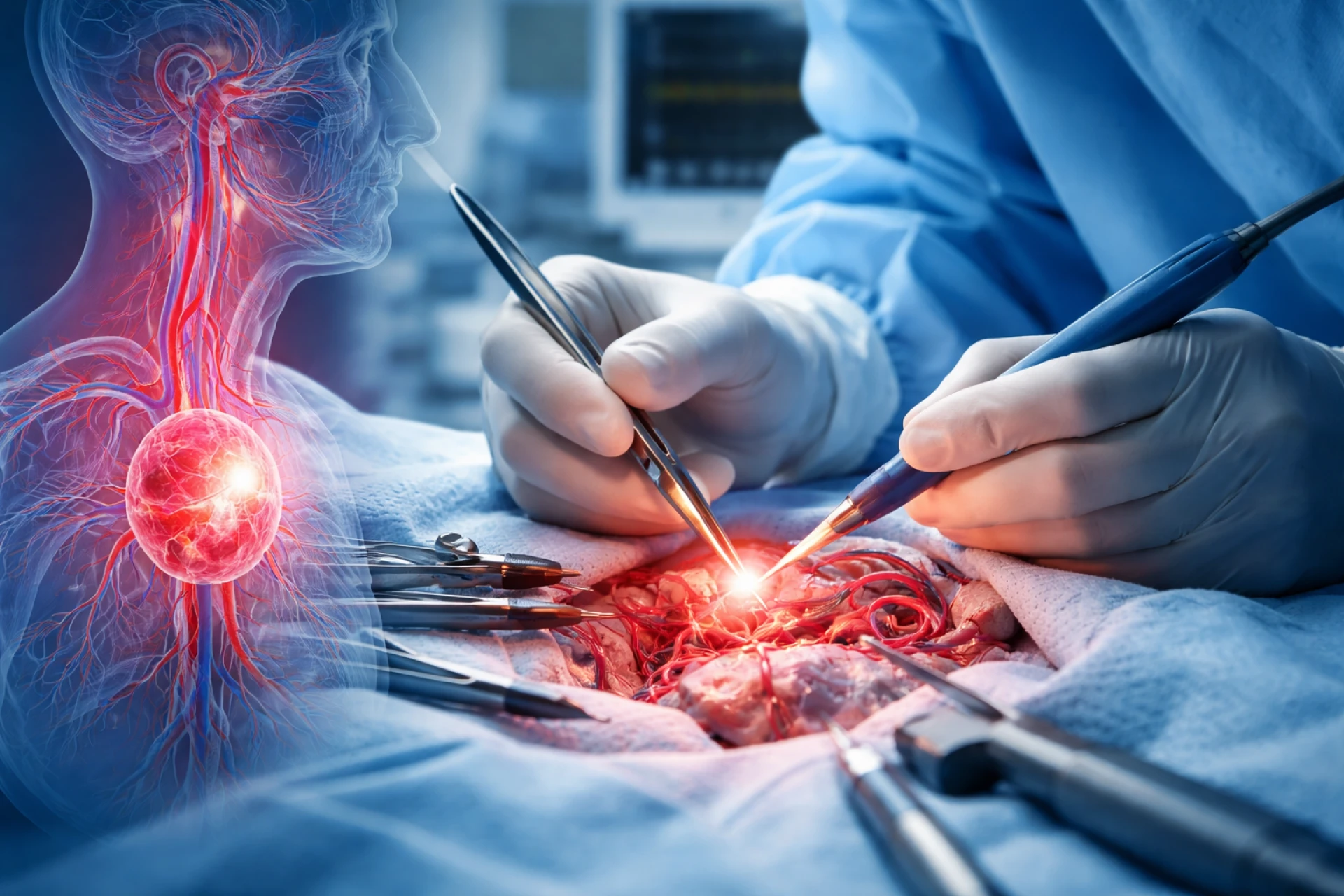
Recovering from vascular tumor surgery is a critical phase that directly impacts healing, long-term outcomes, and quality of life. Whether the tumour is located in the head and neck region or elsewhere in the body, proper post-operative care plays a vital role in preventing complications and ensuring a smooth recovery. Patients who undergo vascular tumor surgery often require a combination of medical supervision, lifestyle adjustments, and self-care practices to regain strength and function effectively.
This guide covers essential post-surgery care tips to help patients and caregivers navigate the recovery process with confidence.
Understanding Recovery After Vascular Tumor Surgery
Vascular tumors are abnormal growths involving blood vessels, and their surgical removal can be complex due to the risk of bleeding and involvement of surrounding tissues. After surgery, the body needs time to heal not just externally but internally as well.
Recovery timelines vary depending on:
- The size and location of the tumor
- The complexity of the surgery
- The patient’s overall health
- Whether additional treatments like radiation or chemotherapy are required
Patients treated by a head and neck oncology specialist in Ahmedabad or elsewhere are typically given personalized recovery plans, but there are general care principles everyone should follow.
1. Follow Wound Care Instructions Carefully
Proper wound care is one of the most important aspects of recovery.
- Keep the surgical area clean and dry
- Change dressings as instructed by your doctor
- Watch for signs of infection such as redness, swelling, warmth, or discharge
- Avoid touching the wound unnecessarily
If stitches or staples are used, ensure you attend follow-up appointments for their removal. Proper wound care reduces the risk of infection and promotes faster healing.
2. Manage Pain and Discomfort
Pain after vascular tumor surgery is normal, especially in the initial days.
- Take prescribed medications on time
- Avoid self-medicating without consulting your doctor
- Use cold compresses if recommended
- Practice relaxation techniques like deep breathing
If pain suddenly worsens or becomes unmanageable, it’s important to inform your healthcare provider.
3. Monitor for Bleeding or Swelling
Because vascular tumors involve blood vessels, there is a higher risk of post-operative bleeding.
- Watch for unusual bleeding from the surgical site
- Be alert for sudden swelling, especially in the head and neck area
- Seek immediate medical attention if you notice excessive bleeding or difficulty breathing
Early detection of complications can prevent serious outcomes.
4. Maintain Proper Nutrition
Nutrition plays a key role in healing and recovery.
- Eat a balanced diet rich in proteins, vitamins, and minerals
- Include foods like fruits, vegetables, lean proteins, and whole grains
- Stay hydrated by drinking enough fluids
For patients who have undergone surgery in the oral or throat region, soft or liquid diets may be recommended initially. Avoid spicy, hard, or irritating foods until healing progresses.
5. Get Adequate Rest
Rest is essential for the body to repair itself.
- Ensure you get enough sleep every night
- Avoid strenuous activities during the early recovery phase
- Gradually return to normal routines as advised
Overexertion can delay healing and increase the risk of complications.
6. Follow Activity Restrictions
After vascular tumor surgery, certain physical activities should be limited.
- Avoid heavy lifting or intense exercise
- Refrain from activities that increase blood pressure suddenly
- Follow your doctor’s timeline for returning to work or physical activity
Gentle movements and short walks may be encouraged to improve circulation and prevent stiffness.
7. Take Medications as Prescribed
Medications may include:
- Pain relievers
- Antibiotics to prevent infection
- Anti-inflammatory drugs
Always follow the prescribed dosage and schedule. Do not stop medications early, even if you feel better, unless advised by your doctor.
8. Attend Follow-Up Appointments
Regular follow-ups are crucial after vascular tumor surgery.
- Your doctor will monitor healing progress
- Any complications can be identified early
- Additional treatments, if needed, can be planned
Patients under the care of a head and neck oncology specialist in Ahmedabad are often scheduled for periodic evaluations to ensure there is no recurrence and that recovery is on track.
9. Watch for Signs of Complications
Being aware of warning signs can help you act quickly.
Seek medical attention if you experience:
- Persistent fever
- Severe pain or swelling
- Difficulty swallowing or breathing
- Unusual bleeding
- Changes in the surgical area
Ignoring these symptoms can lead to serious health issues.
10. Focus on Emotional Well-Being
Surgery and recovery can be emotionally challenging.
- It’s normal to feel anxious or stressed
- Talk to family members or close friends
- Consider counseling if needed
- Join support groups for cancer or tumor patients
Mental health is just as important as physical recovery.
11. Avoid Tobacco and Alcohol
Tobacco and alcohol can significantly delay healing and increase the risk of complications.
- Avoid smoking or chewing tobacco
- Limit or completely avoid alcohol consumption
These habits can also increase the risk of tumor recurrence, especially in head and neck cases.
12. Maintain Good Oral Hygiene (If Applicable)
For patients who have undergone surgery in the oral or neck region:
- Brush gently using a soft-bristled toothbrush
- Use prescribed mouth rinses
- Avoid harsh or alcohol-based products
Good oral hygiene prevents infections and promotes healing in sensitive areas.
13. Gradual Return to Normal Life
Recovery is a step-by-step process.
- Start with light activities
- Slowly resume work and daily routines
- Listen to your body and avoid pushing beyond limits
Patience is key during this phase.
14. Long-Term Monitoring and Lifestyle Changes
Even after initial recovery, long-term care is important.
- Continue regular medical check-ups
- Maintain a healthy lifestyle
- Stay physically active once fully recovered
- Follow any additional treatment plans if prescribed
These steps help reduce the risk of recurrence and improve overall health.
Final Thoughts
Recovering from vascular tumor surgery requires a combination of medical care, self-discipline, and support. By following proper post-surgery care tips, patients can significantly improve their healing process and reduce the chances of complications.
Whether you are treated locally or by a head and neck oncology specialist in Ahmedabad, the key to successful recovery lies in consistent care, timely follow-ups, and a healthy lifestyle. Always communicate openly with your healthcare team and never hesitate to seek help if something feels unusual.
A well-managed recovery not only restores physical health but also helps patients regain confidence and return to their normal lives more comfortably.