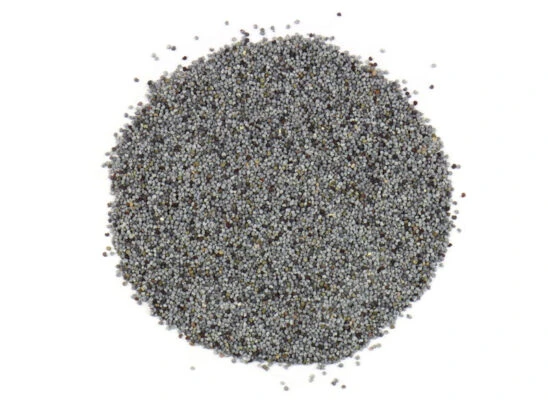
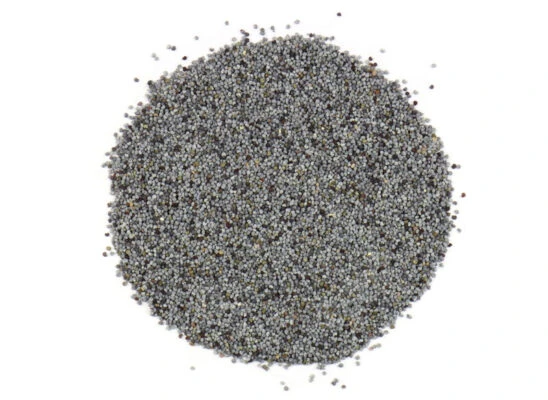
Poppy seeds may be tiny, but they carry a remarkable history, nutritional profile, and culinary versatility that give them an outsized presence in kitchens around the world. Harvested from the opium poppy, scientifically known as Papaver somniferum, these small, kidney-shaped seeds have been cultivated for thousands of years for both food and medicinal purposes. While the plant is also associated with opium production, the seeds themselves are widely used as a safe and nutritious food ingredient.
A Brief History of Poppy Seeds
Archaeological evidence suggests that poppies were cultivated as early as 3000 BCE in ancient Mesopotamia. From there, they spread across Europe, Asia, and eventually to other parts of the world. In many cultures, poppy seeds symbolize prosperity and fertility. They are especially prominent in Central and Eastern European cuisines, where they feature in festive breads, pastries, and desserts.
Today, major producers of culinary poppy seeds include countries such as Turkey, Czech Republic, and India. Strict agricultural and food safety regulations ensure that seeds intended for consumption contain only trace, non-harmful amounts of naturally occurring alkaloids.
Nutritional Profile
Despite their size, poppy seeds are nutritionally dense. They are a good source of:
- Dietary fiber, which supports digestive health
- Healthy fats, particularly omega-6 fatty acids
- Plant-based protein
- Essential minerals, including calcium, magnesium, iron, phosphorus, and zinc
One tablespoon of poppy seeds contains a notable amount of calcium, making them a valuable addition to plant-based diets. Their high magnesium content supports muscle and nerve function, while iron contributes to healthy red blood cell production.
Additionally, poppy seeds contain antioxidants that help combat oxidative stress in the body. Though they are calorie-dense due to their fat content, moderate consumption can fit comfortably within a balanced diet.
Culinary Uses Around the World
Poppy seeds are prized for their nutty flavor and subtle crunch. They are used in both sweet and savory dishes. In baking, they are commonly sprinkled on breads, bagels, and rolls. Ground poppy seeds are often incorporated into cake batters and pastry fillings, particularly in Eastern European desserts.
In Indian cuisine, white poppy seeds—locally known as “khus khus”—are used to thicken curries and create rich gravies. They are typically soaked and ground into a paste before being added to dishes. Meanwhile, in Western cuisines, poppy seeds are popular in muffins, lemon-poppy seed cakes, and salad dressings.
Poppy seed oil, extracted from the seeds, is another culinary product valued for its mild flavor and high polyunsaturated fat content. It is sometimes used in salad dressings and cold dishes.
Health Considerations
Because poppy seeds come from the opium poppy, they can contain trace amounts of opiate compounds. However, commercially processed culinary seeds are thoroughly cleaned and safe for normal consumption. Eating very large quantities could, in rare cases, result in detectable opiate traces in drug tests, but typical dietary use poses no health risk.
As with any seed or nut, individuals with allergies should exercise caution. Proper storage in an airtight container, preferably in a cool and dark place, helps prevent the natural oils in poppy seeds from becoming rancid.
Final Thoughts
Poppy seeds offer a compelling combination of history, nutrition, and culinary adaptability. From festive pastries in Europe to savory curries in Asia, these tiny seeds have secured a lasting place in global cuisine. When used in moderation, they provide both flavor and valuable nutrients—proof that even the smallest ingredients can make a significant impact.