
Your Pontiac is an iconic vehicle, known for its performance, comfort, and overall reliability. However, like any car, it requires regular maintenance to ensure it stays in peak condition. One of the crucial components that can affect the ride quality and safety of your Pontiac is its front suspension. The front suspension system plays a vital role in maintaining vehicle stability, handling, and comfort. Over time, it can wear out or become damaged, leading to various issues that affect your driving experience.
In this article, we'll explore the top signs that your Pontiac front suspension needs immediate attention. Whether you drive a classic Pontiac or a more modern model, these signs are crucial for keeping your car in top shape. If you notice any of these symptoms, it's essential to consult with an expert or check out a reliable supplier of Pontiac auto parts, such as Bop Parts, for timely repairs.
Understanding the Role of the Front Suspension in Your Pontiac
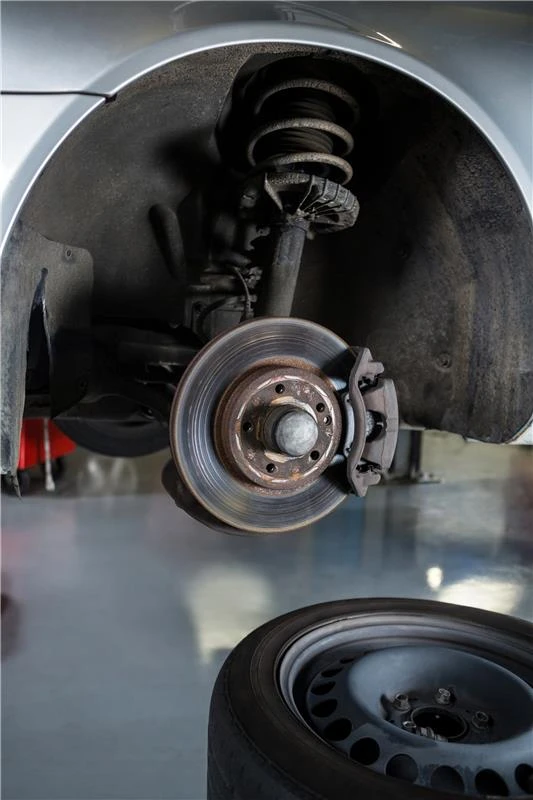
Before diving into the signs of a failing suspension, let's take a moment to understand the critical functions of your Pontiac's front suspension system. This system consists of several key components, including the shocks, struts, springs, control arms, and sway bars. These parts work together to:
- Maintain Tire Contact with the Road: The suspension system ensures that the tires remain in constant contact with the road surface, providing stability.
- Reduce Impact from Bumps and Rough Roads: It absorbs shocks from potholes, bumps, and other irregularities in the road.
- Provide Handling and Steering Control: The suspension system helps keep your Pontiac’s handling precise, making turns smoother and more predictable.
- Improve Ride Comfort: A well-maintained front suspension makes driving much more comfortable, as it reduces vibrations and noise.
When the front suspension starts to fail, it can lead to significant safety and performance issues. Below are the top signs that you should watch out for.
1. Unusual Noises While Driving
One of the first signs that your Pontiac's front suspension might be failing is the presence of strange noises, such as clunking, banging, or squeaking sounds. These noises are often caused by worn-out suspension components like shocks or struts. Over time, these parts lose their ability to absorb the impact from bumps and irregularities in the road, leading to noise.
If you hear a clunking sound when you go over bumps or make turns, it could indicate a problem with the control arms, sway bars, or ball joints. On the other hand, squeaking or squealing noises may suggest that the bushings or joints in the suspension are dry or worn out.
What to Do:
Have your Pontiac inspected by a mechanic who specializes in suspension repairs. If any of these parts are damaged, it’s essential to replace them promptly to avoid further damage to the suspension system and ensure a smooth driving experience.
2. Poor Handling and Steering Response
Your Pontiac’s handling and steering should feel responsive and controlled. If you notice that the car feels loose or sways excessively while driving, this could be a sign of front suspension issues. Worn-out shocks or struts can cause the vehicle to feel unstable, especially during sharp turns or lane changes.
Additionally, if the steering wheel feels off-center, pulls to one side, or vibrates more than usual, the front suspension may be to blame. These symptoms can be caused by damaged suspension components, such as the tie rods, control arms, or ball joints.
What to Do:
Don’t ignore these steering and handling issues. A quick inspection by an experienced technician can help identify the cause of the problem. If the suspension components are damaged, you may need to replace them with quality Pontiac auto parts to restore proper handling and steering response.
3. Rough Ride and Increased Vibration
If your Pontiac’s ride feels significantly rougher than usual, especially on smooth roads, it's likely that the front suspension is worn out. A smooth ride depends on the suspension's ability to absorb shocks and dampen vibrations. When the shocks or struts are damaged, you'll begin to feel every bump and imperfection in the road.
Increased vibrations in the cabin or steering wheel are also common signs that the front suspension components are no longer functioning properly. This could be due to worn-out shocks, struts, or bushings that no longer provide the necessary damping to control vibrations.
What to Do:
If the ride has become unusually rough or the vibrations are noticeable, have your front suspension checked by a professional. Replacing worn-out suspension components with high-quality Pontiac auto parts will improve the ride comfort and restore smooth driving.
4. Uneven Tire Wear
One of the less obvious signs of a failing front suspension system is uneven tire wear. When the suspension components wear out, they can cause misalignment in the wheels, leading to uneven or rapid tire wear. You may notice that one side of the tires wears down faster than the other, or the tread pattern looks irregular.
In some cases, you might also experience a pull to one side while driving, which could be due to improper alignment caused by suspension issues. Misalignment not only affects the lifespan of your tires but also makes your Pontiac harder to handle.
What to Do:
Have your tires and suspension system inspected for misalignment or wear. Getting the suspension repaired and the wheels properly aligned will prevent further damage to the tires and improve overall handling.
5. Car Dips or Leans to One Side
If your Pontiac tends to dip or lean to one side when you apply the brakes or accelerate, this could indicate a problem with the front suspension system. This issue is often caused by worn-out shocks or struts, which are responsible for maintaining the car's balance and stability.
Leaning to one side may also indicate that one of the suspension components is damaged or broken. For example, a broken spring can cause the car to sit lower on one side, leading to an uneven ride.
What to Do:
If you notice your Pontiac dipping or leaning, it’s essential to get the suspension inspected immediately. A professional mechanic can replace any broken or worn components and restore balance to the vehicle.
6. Instability During Braking
A well-maintained suspension system helps keep your Pontiac stable, even when you apply the brakes. If you experience instability during braking, such as a pulling sensation or excessive nosediving, the front suspension may be compromised. This could be due to issues with the shocks, struts, or even the control arms.
Nosediving occurs when the front of the vehicle dips excessively under braking, making the car feel unstable. If this happens, it could be a sign that the front suspension is no longer effectively absorbing the weight transfer during braking.
What to Do:
If you notice instability during braking, it’s crucial to get your Pontiac checked for suspension issues. Replacing the worn suspension parts will help restore stability and improve braking performance.
7. Visible Damage to Suspension Components
In some cases, you might notice visible damage to the suspension components. This could include leaking shocks or struts, broken springs, or worn-out bushings. While this isn’t always easy to spot without a thorough inspection, it's a clear sign that your Pontiac's front suspension needs attention.
If you notice any visible damage to the suspension, it's crucial to replace the affected parts immediately to prevent further damage to other components of the vehicle.
What to Do:
Have a trusted mechanic inspect the front suspension for any visible signs of damage. Replacing the damaged parts with high-quality Pontiac auto parts will ensure your vehicle is safe and comfortable to drive.
8. The Pontiac’s Front End Feels Unusually Soft or Spongy
A soft or spongy feeling in the front end of your Pontiac can be a clear indicator of suspension problems. When the shocks or struts are worn, they fail to properly absorb the impacts from the road, causing the front end to feel mushy or overly soft. This can be particularly noticeable when you go over bumps or speed bumps.
What to Do:
If your Pontiac feels unusually soft or spongy, the shocks or struts may need to be replaced. Ensure you use high-quality Pontiac auto parts to restore your car’s handling and comfort.
Conclusion
Your Pontiac’s front suspension plays a vital role in ensuring your vehicle handles well, provides a smooth ride, and remains safe on the road. Recognizing the signs that your front suspension needs attention can help you avoid costly repairs and ensure the longevity of your vehicle. If you notice any of the symptoms listed above, don’t hesitate to visit a trusted Pontiac auto parts dealer like Bop Parts for quality replacement components. Timely repairs will not only improve your driving experience but also enhance your Pontiac's overall safety and performance.
Remember, when it comes to Pontiac auto/car parts, quality is key. Using top-notch components from reliable dealers like Bop Parts ensures your Pontiac remains in excellent condition for years to come.