The first time I recorded in a proper studio, I made every beginner mistake there is. I sat too close to the mic. I talked at different volumes throughout the session. I kept shifting in my chair. I even forgot to do a proper sound check before we started rolling.
The audio still came out better than anything I had recorded at home over the previous eight months.
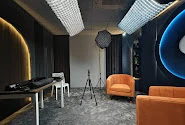
That tells you something important about professional recording spaces. The environment does a lot of the heavy lifting before you even open your mouth. But knowing a few things going in makes the difference between a good session and a great one.
Do a proper sound check before you start
This seems obvious but most people rush through it or skip it entirely when they are excited to get into the conversation. A sound check is not just confirming that the mic is on. It is confirming that your voice sounds the way you want it to at the volume and energy you plan to use throughout the session.
Speak a few sentences at your normal recording volume. Let the engineer adjust the levels. If you are self-producing, put on headphones and listen carefully to the raw input. Is there any background noise? Does your voice sound thin or distant? Is the mic picking up too much room sound? Catch these things now, not forty minutes into the recording.
Find your distance from the mic and stay there
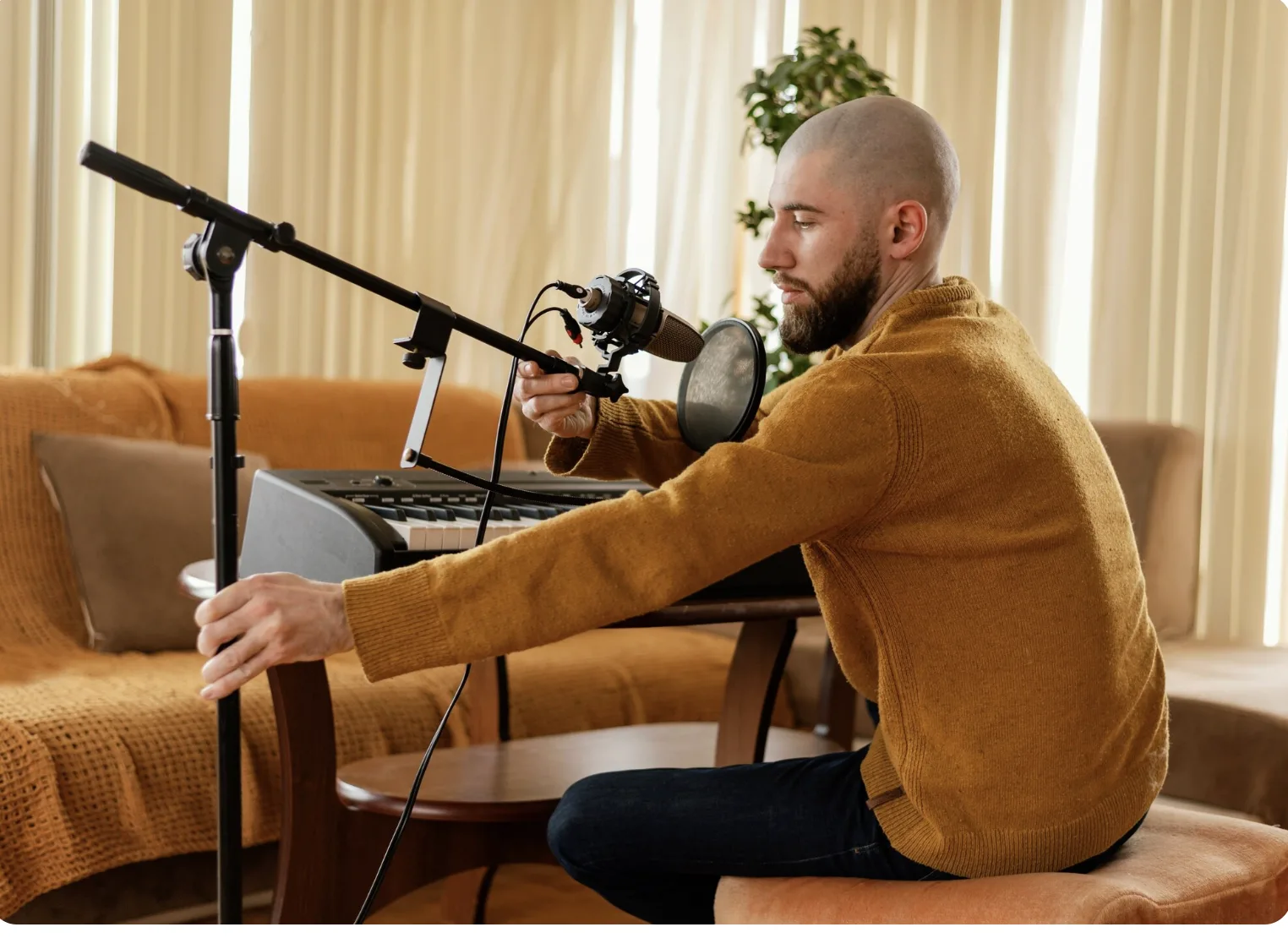
Most studio microphones have a sweet spot — usually six to eight inches from the capsule, speaking slightly across the top rather than directly into the front. This varies by microphone but your engineer will tell you where it is.
The harder part is staying there. In a natural conversation, people lean in when they make a point and lean back when they are listening. Every time you do this your voice changes on the recording. Closer sounds louder and more present. Further sounds thinner and distant. Over a forty-five minute episode these variations add up into something that sounds inconsistent even when the levels are set correctly.
Stay aware of your distance. It becomes automatic after a few sessions but it takes conscious attention at first.
Control your volume naturally
Do not shout into the mic when you are making an important point. Do not drop to a near-whisper when you are being thoughtful. Try to keep your vocal energy consistent throughout the session.
This is harder than it sounds because emphasis is a natural part of how people talk. The key is to let the emphasis come through in your tone and pacing rather than your volume. A well-placed pause does more for a meaningful moment than suddenly getting louder.
If you are recording with a guest, this matters even more. Volume differences between host and guest are one of the most common things that make interview audio feel unbalanced. Encourage your guest to stay at a consistent level and position them at roughly the same distance from their mic as you are from yours.
Use headphones to monitor while you record
Monitoring through headphones during the session lets you hear problems in real time. Background noise that crept in when someone opened a door. A slight change in your mic distance. Your guest's levels dropping because they moved back in their chair.
These things are easy to fix mid-session and almost impossible to fix in editing. Keep the headphone volume at a comfortable level — enough to catch problems, not so loud that you become self-conscious about every breath.
Leave space in the conversation
This is a tip that improves both the listening experience and the editing process. Let sentences finish before responding. Do not talk over your guest. Leave a beat of silence between questions and answers.
Silence is easy to cut in editing. Overlapping speech is not. Two people talking at the same time on separate microphones creates a mess that even good editing cannot always salvage cleanly.
Beyond the technical benefit, leaving space makes the conversation sound more considered. It gives both speakers time to think and it gives listeners time to absorb what was just said.
For a deeper look at what goes into a professional recording setup, this guide on high quality podcast audio covers the technical side clearly. And if you are looking for a studio in Jaipur where all of this is already set up and ready, the best podcast studio in Jaipur handles the environment so you can focus entirely on the content.
Clear and balanced audio does not happen by accident. But with the right space and a few habits built into your recording process, it becomes consistent enough that you stop thinking about it entirely.