Embarking on a journey across the high-altitude landscapes of the trans-Himalayas represents a transformative experience for discerning travelers. Leh Ladakh presents a dramatic confluence of barren mountain ridges, crystalline alpine waters, ancient monastic heritage, and rugged passes that demand meticulous logistical preparation. At Book My Kashmir Trip, our extensive operational experience guiding adventurers across the Himalayan corridor provides us with firsthand expertise regarding route safety, mountain acclimatization, weather volatility, and vehicle handling. Successfully executing a leh ladakh tour with pangong lake requires striking a harmonious balance between raw outdoor adventure and rigorous safety protocols, ensuring every segment of your high-altitude itinerary unfolds seamlessly.
Essential Acclimatization and High-Altitude Preparedness
Arriving in Leh, situated at an altitude of approximately 3,500 meters (11,500 feet), places immediate demands on the human respiratory and circulatory systems. Rapid ascent without adequate rest frequently results in Acute Mountain Sickness (AMS). In accordance with mountain medicine standards, travelers landing at Kushok Bakula Rimpochee Airport must dedicate a minimum of 48 hours strictly to physical acclimatization before attempting higher passes. Hydration remains paramount; aim for three to four liters of clean fluids daily, and avoid strenuous physical activity during your opening days. Local ground specialists advise carrying a portable pulse oximeter alongside preventive medications such as Diamox, taken strictly under medical supervision.
Selecting Proven Travel Support Across the Himalayan Terrain
Traversing high-mountain terrain demands authentic field expertise, reliable fleets, and seasoned drivers familiar with shifting gravel routes and unexpected landslides. Choosing the Best leh-ladakh tour packages guarantees that your logistical chain—including inner line permits, reliable accommodations, oxygen backup canisters, and rugged 4x4 vehicles—is handled by certified professionals. Whether your planned journey begins in Srinagar and passes through Kargil or descends directly from Manali, relying on a licensed travel agency in Kashmir ensures seamless border navigation, trusted emergency evacuation protocols, and adherence to environmental standards set by the regional tourism councils.
The Epic Drive to Pangong Lake via Chang La Pass
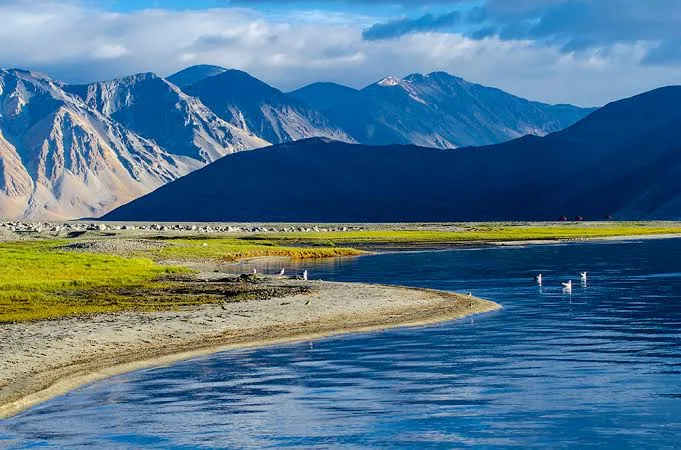
The vehicular journey from Leh town to Pangong Tso forms the emotional centerpiece of any Ladakh circuit. Crossing the Chang La pass, standing at an elevation exceeding 17,680 feet, presents an exhilarating ascent through stark scree slopes and seasonal snow barriers. Given the steep drop in barometric pressure, drivers should limit stopovers at the pass summit to no longer than fifteen to twenty minutes to prevent sudden altitude distress. Descending towards the Tangste valley reveals picturesque pastoral hamlets before the sudden, breathtaking emergence of Pangong Lake's cobalt shores. Spanning across international borders at 14,270 feet, the saltwater lake changes hues dynamically throughout the daylight hours, shifting from emerald green to deep azure against golden, desolate peaks.
Cultural Immersion and Sustainable Travel Practices
Beyond natural monuments, Ladakh's enduring cultural fabric centers around century-old Tibetan Buddhist monasteries such as Thiksey, Hemis, and Diskit. Respectful engagement with monastic communities requires modest attire, adherence to photography regulations within sanctums, and moving in a clockwise direction around stupas and prayer wheels. In keeping with responsible tourism guidelines, visitors must commit to the zero-waste mountain initiative:
- Carry reusable water purification flasks instead of purchasing single-use plastic bottles.
- Dispose of all packaging and batteries exclusively within designated municipal recycling hubs in Leh.
- Refrain from driving off designated roadways onto fragile lake basins and meadow ecosystems.
- Support native economies by dining at local ladakhi kitchens and purchasing authentic woolens from artisan cooperatives.
Optimal Timing and Route Logistics
Seasonal timing dictates road access and lodging availability throughout the region. The preferred window for exploring Ladakh and Pangong Lake spans from late May through late September, when the high mountain passes remain cleared of heavy winter drifts and local homestays operate at full capacity. Packing demands tactical layering: moisture-wicking base garments, fleece mid-layers, windproof outer shells, thermal gloves, and ultraviolet-blocking sunglasses are mandatory even during peak summer afternoons due to extreme solar radiation. By adhering to thorough route planning, honoring bodily physical limits, and partnering with verified regional specialists, your trans-Himalayan expedition transforms into an inspiring, safe, and deeply memorable road trip.