
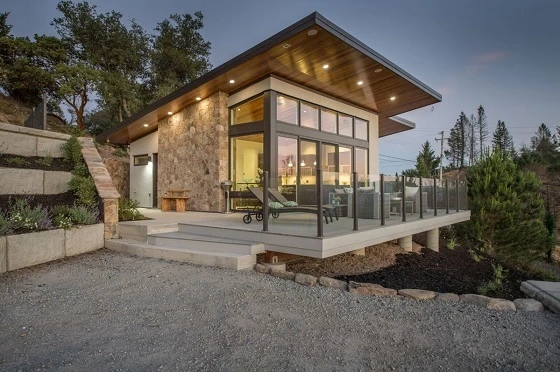
Home transformation is more than a cosmetic upgrade; it is a process that reshapes how people live, move, and feel within their space. A well-planned renovation considers functionality, comfort, sustainability, and long-term value rather than short-lived trends. Homeowners today are increasingly focused on creating spaces that adapt to changing lifestyles, family needs, and work-from-home realities. This shift has made comprehensive renovation projects a popular option for those who want cohesive results instead of fragmented updates.
At the heart of such projects lies Full Home Remodeling, a process that integrates design, planning, and execution across the entire living space. Unlike room-by-room changes, this approach ensures harmony between layout, materials, and flow, resulting in a home that feels intentional and unified.
Understanding the Scope of a Whole-Home Renovation
A complete renovation typically involves evaluating the structure, layout, utilities, and finishes of a home. This includes kitchens, bathrooms, bedrooms, living areas, and sometimes basements or attics. Structural changes may involve removing or adding walls, improving natural light, or reconfiguring traffic flow. Mechanical systems such as plumbing, electrical, and HVAC are often upgraded to meet modern efficiency and safety standards.
One of the key benefits of taking a comprehensive approach is efficiency. Addressing multiple areas at once can reduce repeated disruptions and ensure that design decisions align across the entire home. For example, flooring choices, color palettes, and lighting plans can be coordinated to create visual consistency.
Setting Clear Goals Before You Begin
Before any major renovation begins, homeowners should clearly define their goals. Are you looking to improve functionality, increase property value, enhance energy efficiency, or modernize outdated spaces? Clear priorities help guide decisions and prevent scope creep, which can lead to unnecessary costs and delays.
Lifestyle considerations are especially important. Families with children may prioritize durable materials and open layouts, while professionals working remotely might focus on dedicated office spaces and sound insulation. Thinking long term ensures that the renovation remains practical as needs evolve.
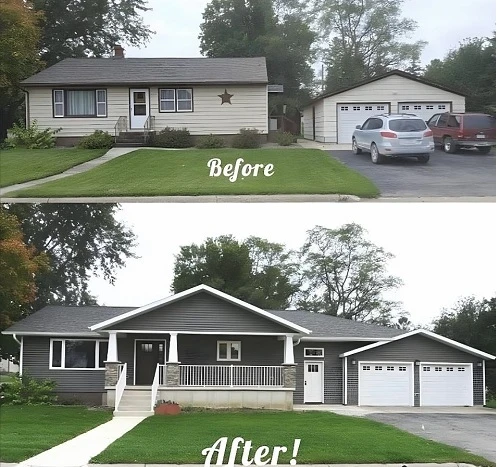
Budgeting and Financial Planning
Budgeting is one of the most critical aspects of a successful renovation. A realistic budget accounts not only for visible upgrades but also for hidden costs such as permits, inspections, and potential structural repairs. Contingency funds typically 10–20% of the total budget are essential to manage unexpected issues without stress.
Transparent financial planning also helps homeowners make informed trade-offs. For instance, investing more in insulation or energy-efficient windows may reduce long-term utility costs, even if it increases upfront expenses.
Design Considerations That Make a Difference
Thoughtful design is what transforms a renovation from functional to exceptional. Layout optimization is often a top priority, as older homes may have compartmentalized rooms that do not suit modern living. Open-concept designs, flexible spaces, and improved storage solutions are common goals.
Material selection plays a significant role in durability and aesthetics. Natural light, neutral color palettes, and timeless finishes tend to age well and appeal to a broad range of tastes. Sustainability is also becoming a key factor, with homeowners opting for eco-friendly materials, low-VOC paints, and energy-efficient appliances.
Managing the Renovation Process
A whole-home renovation requires careful coordination between planning, scheduling, and execution. Clear timelines help set expectations and minimize disruptions. Regular communication and documented decisions reduce misunderstandings and keep the project moving smoothly.
Living arrangements during renovation should also be considered. Depending on the scope, homeowners may need temporary housing or phased construction plans to maintain partial occupancy. Planning for these logistics early can significantly reduce stress.
The Role of Permits and Regulations
Compliance with local building codes and regulations is essential for safety and legality. Permits may be required for structural changes, electrical upgrades, plumbing modifications, and additions. While this process can seem complex, it protects homeowners by ensuring work meets established standards.
Failing to obtain proper approvals can lead to costly fines, delays, or complications during resale. Understanding regulatory requirements early helps avoid setbacks later in the project.
Enhancing Energy Efficiency and Comfort
Modern renovations often focus on improving energy performance. Upgrading insulation, windows, and HVAC systems can significantly enhance comfort while reducing environmental impact. Smart home technologies, such as programmable thermostats and energy monitoring systems, add convenience and efficiency.
These improvements not only benefit daily living but can also increase a home’s long-term value. Buyers increasingly prioritize energy efficiency, making these upgrades a smart investment.
Common Challenges and How to Overcome Them
Even with careful planning, challenges can arise. Older homes may reveal hidden issues such as outdated wiring, water damage, or structural weaknesses. Flexibility and contingency planning are key to managing these surprises without derailing the project.
Decision fatigue is another common challenge. With countless choices to make, homeowners can feel overwhelmed. Establishing a clear design vision and sticking to predefined criteria can simplify decision-making and maintain consistency.
Long-Term Value and Satisfaction
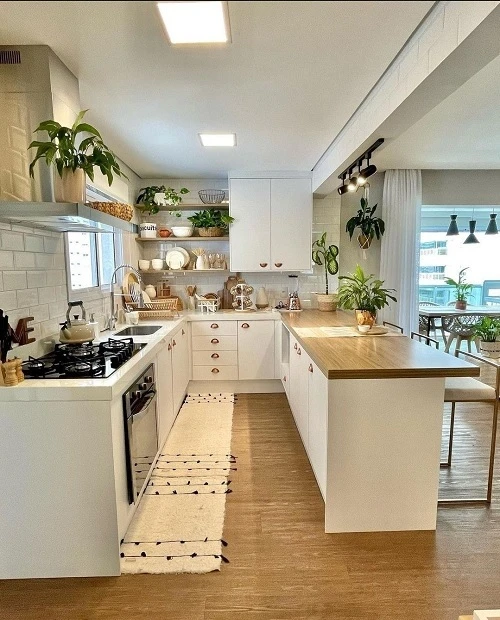
Beyond aesthetics, a comprehensive renovation can significantly enhance quality of life. Improved layouts, better lighting, and modern systems create spaces that support daily routines and personal well-being. The sense of comfort and pride that comes from a thoughtfully renovated home often outweighs the temporary inconvenience of construction.
From a financial perspective, full Home Remodeling can increase resale value when executed with timeless design and quality craftsmanship. Even for those not planning to sell, the long-term benefits of comfort, efficiency, and functionality make the investment worthwhile.
A successful renovation is rooted in thoughtful planning, realistic expectations, and a clear understanding of goals. By approaching the process holistically, homeowners can create spaces that reflect their lifestyle while standing the test of time. Whether the focus is modern comfort, sustainability, or adaptability, Full Home Remodeling offers an opportunity to reimagine a home as a cohesive, purposeful environment rather than a collection of isolated upgrades.