
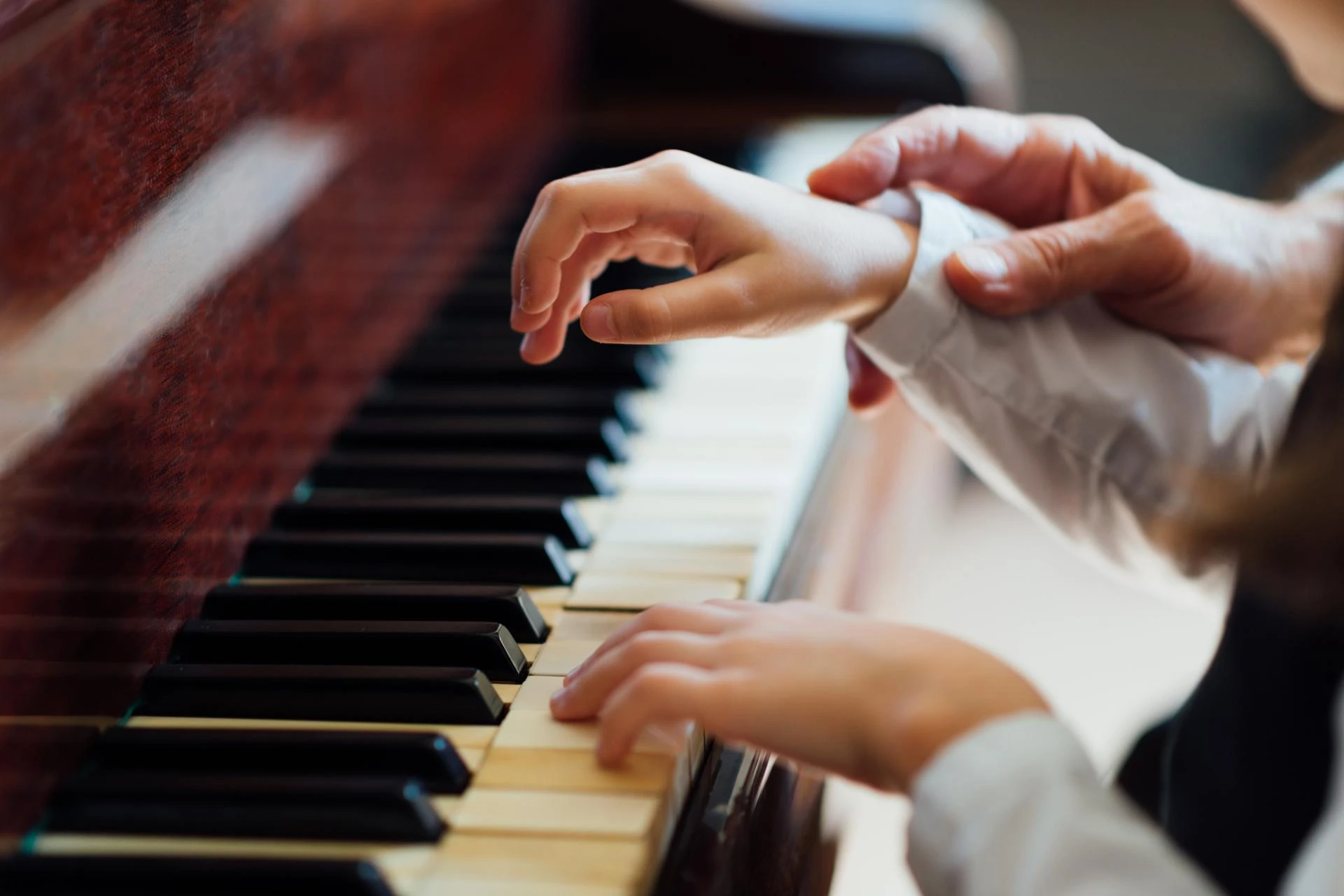
Music plays an important role in a child’s overall development, and piano lessons for kids are one of the best ways to introduce music in a fun and structured manner. Learning the piano helps children improve focus, creativity, and discipline while enjoying the joy of making music.
Whether your child is a beginner or already interested in music, enrolling in kids piano lessons can provide a strong foundation that benefits them for life.
Why Piano Lessons for Kids Are Important
Piano is often considered the ideal first instrument for children. The layout of the keys helps kids understand music theory easily while developing hand coordination.
Benefits of piano lessons for children include:
- Improved concentration and memory
- Better hand-eye coordination
- Enhanced creativity and self-expression
- Strong listening and problem-solving skills
- Increased confidence through performance
With regular piano classes for kids, children learn patience and discipline in a positive learning environment.
What Age Is Best to Start Piano Lessons?
Most children can begin piano lessons for kids between the ages of 4 and 6. At this age, they are able to recognize patterns, follow instructions, and enjoy interactive learning.
However, every child is different. A good piano teacher will:
- Adapt lessons to the child’s age and learning speed
- Use fun activities, games, and songs
- Encourage progress without pressure
What Kids Learn in Piano Lessons
Structured piano lessons for children focus on both fun and fundamentals. Over time, kids learn skills that help them grow musically and academically.
Key areas covered in kids piano lessons:
- Basic piano keys and finger placement
- Reading simple music notes
- Rhythm and timing exercises
- Playing songs and melodies
- Listening and musical expression
As children advance, they may also explore music theory and performance techniques.
How Piano Lessons Help Kids Beyond Music
Learning piano does more than teach music. Piano lessons for kids support emotional and academic development as well.
Non-musical benefits include:
- Better focus in school
- Improved math and language skills
- Stress relief and emotional balance
- Goal setting and achievement
Children who take piano lessons often develop a lifelong love for learning.
Choosing the Right Piano Lessons for Your Child
When looking for piano lessons for kids, it’s important to choose a program that matches your child’s needs.
Look for piano classes that offer:
- Experienced and patient instructors
- Age-appropriate teaching methods
- One-on-one or small group lessons
- Flexible scheduling options
- A supportive and encouraging environment
The right piano teacher can make learning enjoyable and motivating.
Tips to Support Your Child’s Piano Learning at Home
Parents play a key role in helping kids succeed in piano lessons.
Simple ways to support your child include:
- Setting a regular practice schedule
- Encouraging short, focused practice sessions
- Praising effort rather than perfection
- Attending recitals or performances
Positive support helps children stay excited about their piano journey.
FAQs About Piano Lessons for Kids
Q1. Are piano lessons good for young children?
Yes, piano lessons for kids help develop cognitive skills, creativity, and discipline from an early age.
Q2. How long should kids practice piano daily?
Beginners usually need 15–20 minutes of daily practice. As skills improve, practice time can increase gradually.
Q3. Do kids need a piano at home?
A keyboard is sufficient for beginners. As children progress, having a piano or digital piano is helpful.
Q4. Can kids learn piano without prior music experience?
Absolutely. Most piano lessons for children are designed for complete beginners.
Q5. How long does it take for kids to play songs on piano?
Many kids can play simple songs within a few weeks of starting regular piano lessons.
Final Thoughts
Piano lessons for kids are a wonderful investment in your child’s future. They nurture creativity, build confidence, and teach valuable life skills beyond music. With the right guidance and encouragement, learning piano can become an enjoyable and rewarding experience for every child.