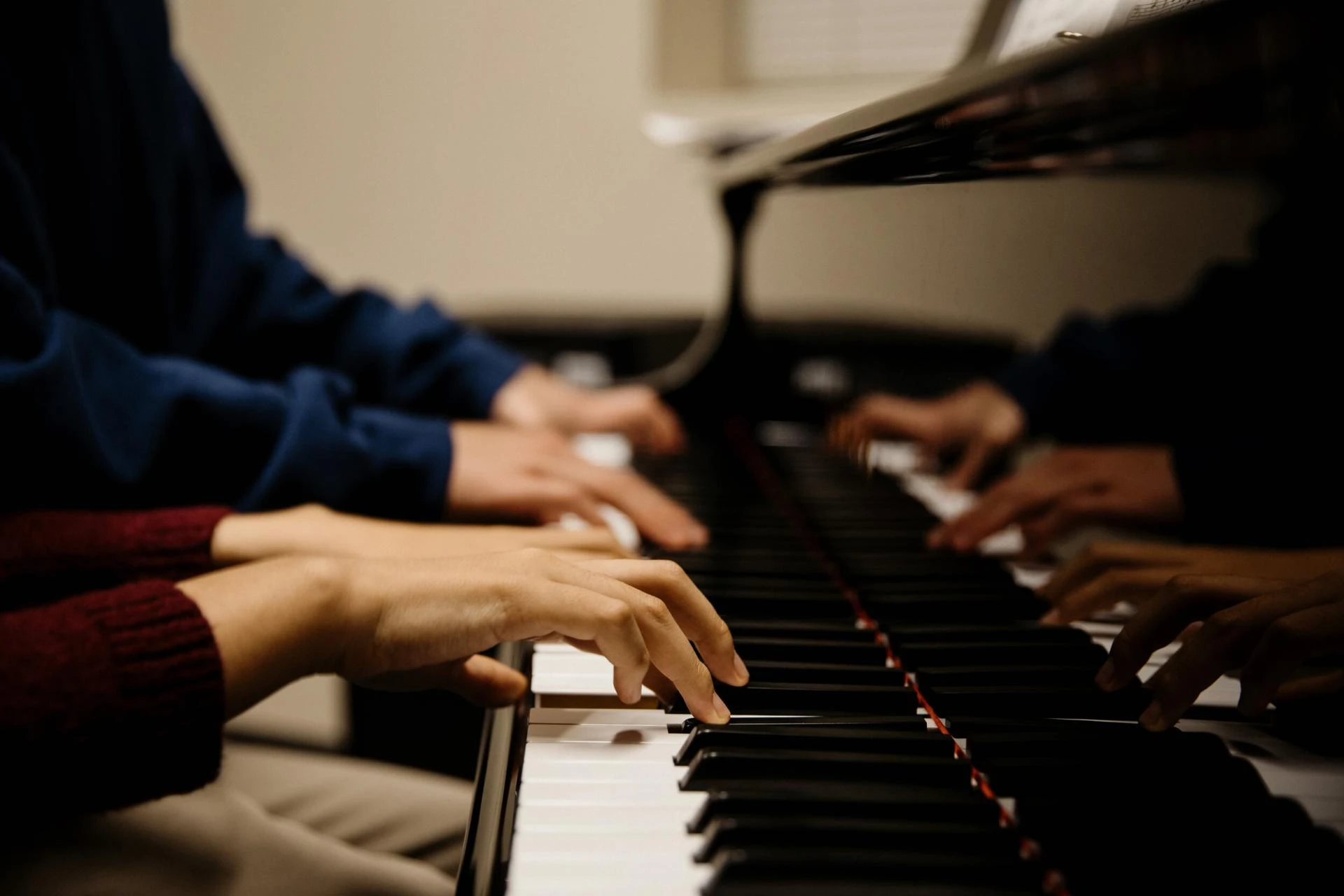
Music has a special way of inspiring children, and learning to play the piano is one of the best ways to introduce them to the world of music. Piano lessons for children not only nurture musical talent but also help kids develop valuable life skills like discipline, focus, and creativity. For parents, it’s often one of the most rewarding activities to invest in for their child’s growth and confidence.
Benefits of Piano Lessons for Children
1. Boosts Brain Development
Research shows that kids who learn to play the piano often do better in areas like memory, problem-solving, and even math.
2. Builds Focus and Discipline
Consistent practice teaches children patience, time management, and the importance of dedication.
3. Enhances Creativity
Piano lessons give children a creative outlet, allowing them to express themselves through music.
4. Improves Motor Skills
Finger coordination, hand strength, and overall dexterity are strengthened through regular playing.
5. Increases Confidence
Even learning simple songs gives children a sense of accomplishment, motivating them to keep progressing.
When Should Children Start Piano Lessons?
Most children are ready for piano lessons between ages 5 and 7. At this stage, they have the attention span and motor skills needed to learn effectively. However, some younger children may be ready if they show interest and can follow instructions.
Tips for Parents Supporting Piano Learning
- Choose the Right Teacher – A patient, encouraging instructor makes a big difference.
- Encourage Daily Practice – Just 15–20 minutes a day helps children improve steadily.
- Celebrate Progress – Acknowledge small milestones to keep kids motivated.
- Make Learning Fun – Use colorful books, games, or piano apps to keep practice exciting.
- Be Patient – Every child learns at their own pace, so avoid pressure and focus on enjoyment.
Finding the Right Piano Lessons for Children
Parents can explore different options depending on their child’s needs:
- Private Lessons – Personalized one-on-one guidance.
- Group Classes – Encourages teamwork and social interaction.
- Online Lessons – Flexible and convenient for busy families.
FAQs about Piano Lessons for Children
1. What is the best age to start piano lessons?
Most kids do well starting between 5 and 7 years old, though some may be ready earlier.
2. How much should a child practice daily?
Begin with 15–20 minutes a day and gradually increase as they grow. Consistency matters more than length.
3. Does my child need a full piano to start?
A small keyboard is enough for beginners, but an acoustic or digital piano is best for long-term learning.
4. How can I tell if my child is ready?
If your child can follow directions, recognize numbers/letters, and shows curiosity about music, they are likely ready.
5. Are piano lessons expensive?
Prices vary depending on the teacher, class type, and location. Group or online lessons tend to be more affordable.
Final Thoughts
Piano lessons for children go beyond music—they help kids grow emotionally, mentally, and socially. With the right guidance, supportive parents, and consistent practice, children can enjoy music while building skills that last a lifetime.