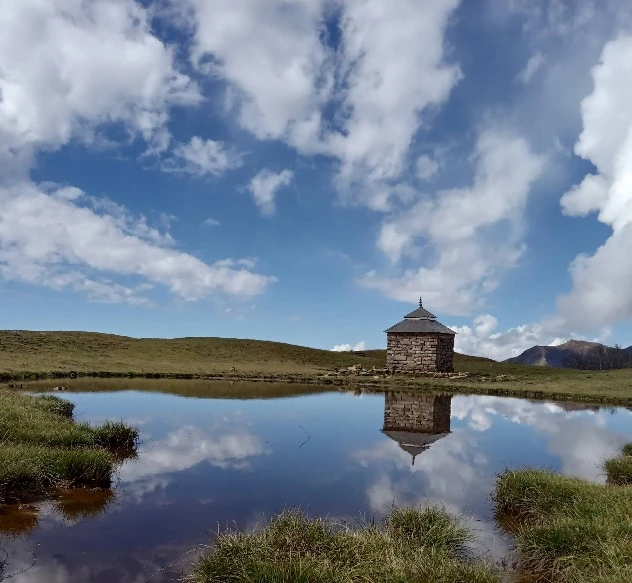
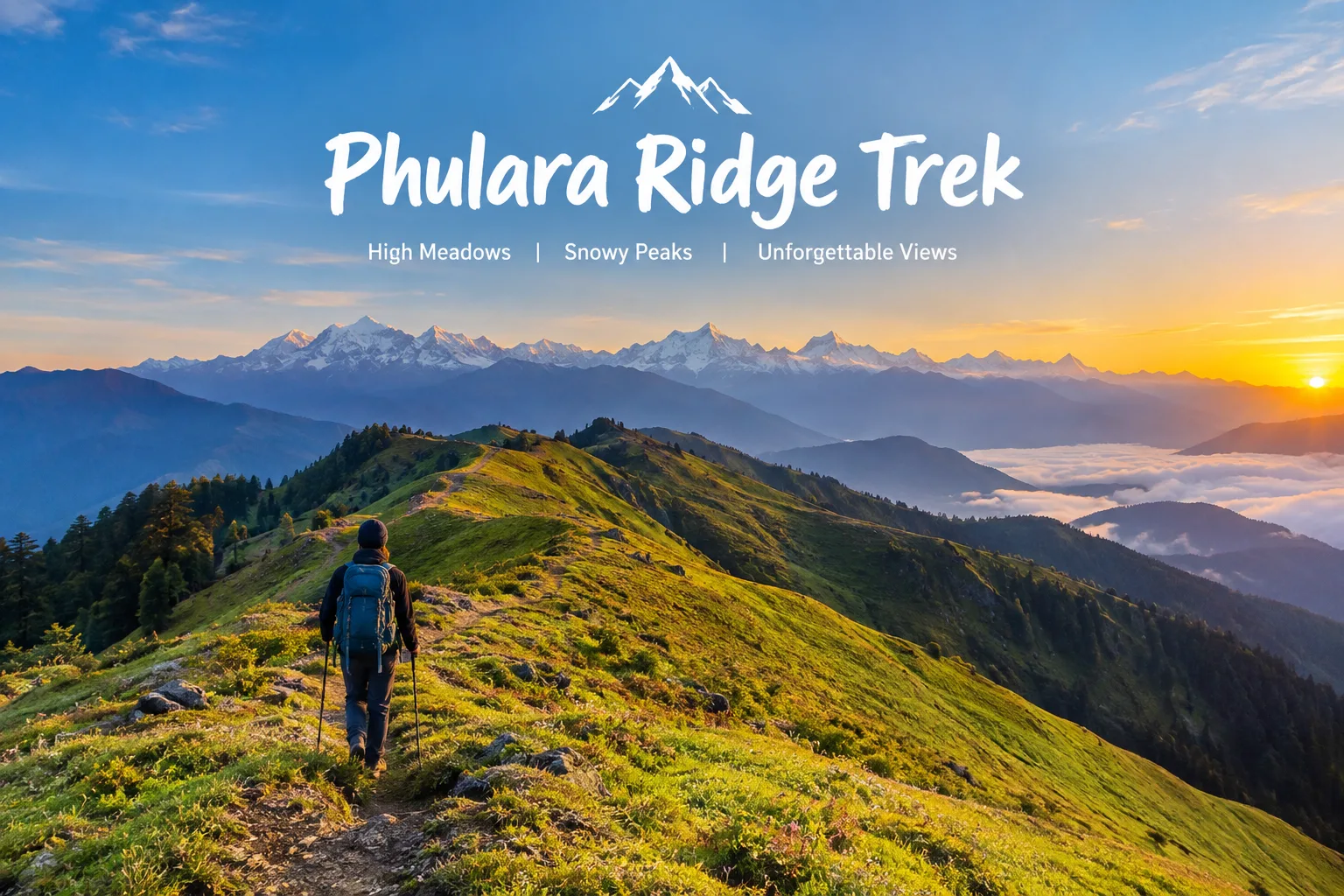
Uttarakhand is home to many beautiful trekking routes, but not every trek offers the same kind of experience. Some take you to high mountain passes, some are known for lakes, and others are popular for their wide green meadows. Phulara Ridge Trek stands apart because the ridge itself is the main attraction.
Instead of spending most of the trek inside a valley or forest, you get to walk along an open mountain ridge with views on both sides. The trail also passes through forests, meadows, and high-altitude landscapes, making the journey feel different from many other treks in the region.
For trekkers who enjoy open mountain views and long walks rather than simply reaching a summit, this can be a very rewarding experience.
What Makes Phulara Ridge Trek Different?
The main feature that makes this trek special is its ridge walk. A mountain ridge is a raised section of land between two slopes. Walking along one gives you a chance to look across the landscape in more than one direction.
This changes the feeling of the trek.
On a normal forest trail, trees may block much of the view. On a ridge, the landscape can suddenly open up, giving you views of valleys, forests, and distant Himalayan peaks.
The trail also does not feel the same throughout the journey. You move between different landscapes, which keeps the trek interesting from start to finish.
If you want to understand how the route is divided into different days and sections, you can also check a detailed Phulara Ridge Trek itinerary before planning your trip.
The Ridge Walk Is the Main Highlight
The ridge section is what gives this trek its identity.
Walking on an open ridge at high altitude feels very different from walking through a forest. You may have a valley on one side and mountain slopes on the other. On clear days, distant snow-covered peaks can also be visible.
The views can change as you walk. One section may give you a wide view of the valley, while a little farther ahead, another mountain range may come into sight.
The ridge can also be exposed to strong winds. This is especially noticeable during colder months. Because of this, trekkers should carry proper warm layers and avoid treating the exposed sections casually.
The trail may not involve technical climbing, but mountain walking still requires attention and a reasonable level of fitness.
A Mix of Forests, Meadows and Open Mountains
Another reason the trek feels unique is the variety of landscapes.
The route includes forest sections where the surroundings are quieter and cooler. Tall trees cover parts of the trail, and the walking experience here is quite different from the open ridge.
As you gain altitude, the forest gradually gives way to open areas and meadows. These sections provide more space and wider views.
The appearance of the meadows also changes with the season. During the greener months, they can look fresh and bright. In autumn, the landscape can take on dry and golden shades. During winter, snow may cover parts of the trail depending on the weather.
This variety means you are not looking at the same landscape for the entire trek.
The Himalayan Views Keep Changing
One of the best things about walking on an open ridge is the opportunity to see mountains from different angles.
On a clear day, the Himalayan peaks can form a beautiful background throughout parts of the trek. However, mountain weather can change quickly, so clear views are never guaranteed.
Clouds can move in within a short time and cover peaks that were visible earlier.
This is also why trekking in the mountains is not only about reaching a destination. Sometimes the best view appears for only a few minutes before disappearing again.
Early mornings can often provide clearer conditions, but the weather ultimately decides what you get to see.
It Is Not Just About Reaching a Summit
Many popular Himalayan treks are strongly connected with a summit or a particular peak. Phulara Ridge offers a different kind of experience.
The ridge itself is the highlight.
You are not walking for several days only to stand on one summit for a few minutes. Instead, the walking route continues to offer new views and landscapes along the way.
This makes the trek enjoyable for people who like the actual process of trekking.
The forest walk, gradual climbs, open meadows, ridge sections, mountain views, and changing weather all become part of the experience.
How Difficult Is the Trek?
The trek is generally considered a moderate-level Himalayan trek. It does not usually involve technical climbing, but that does not mean it should be taken lightly.
The difficulty comes from several things combined. Long walking hours, uphill sections, altitude, weather changes, and exposed ridge sections can make the trek tiring.
Your fitness level also makes a big difference.
Someone who regularly walks, hikes, runs, or climbs stairs may find the physical effort easier than someone who is not used to long walks.
A few weeks of basic preparation can help. Regular walking and stair climbing are simple ways to build endurance before the trip.
It is also better to maintain a steady pace rather than trying to finish every section quickly.
The Trek Looks Different in Every Season
Season plays an important role in the appearance and experience of the trail.
Spring can bring fresh greenery and pleasant conditions in many parts of the route. Summer generally offers greener landscapes, although mountain weather can still change quickly.
Autumn is often appreciated for clearer mountain views and dry trail conditions. The forests and meadows can also take on warmer shades during this period.
Winter completely changes the character of the trek. Snow can cover the trail and surrounding meadows after good snowfall. Temperatures can drop sharply, especially at night and along exposed ridges.
The right season therefore depends on the kind of experience you want.
Why It Can Be a Good Choice for Experienced Beginners
Phulara Ridge can be interesting for trekkers who have already completed an easier Himalayan trek and want to try something a little more demanding.
It offers a chance to experience high-altitude walking without requiring technical mountaineering skills.
However, beginners should still prepare properly. Being able to walk for several hours a day is important, and weather conditions should always be taken seriously.
The trek is better approached with patience rather than speed.
You should also be comfortable with basic mountain conditions such as cold temperatures, uneven trails, changing weather, and limited facilities in remote areas.
What Should You Carry?
Good packing can make a major difference during a mountain trek.
A pair of comfortable trekking shoes with good grip is important because the trail can become slippery or uneven. Warm layers are also necessary, particularly for higher sections and cold nights.
Some useful items include:
- Warm layers and a waterproof jacket
- Good trekking shoes
- Sunglasses and sunscreen
- Water bottle
- Personal medicines
- Headlamp
- Basic first-aid items
- Gloves and warm socks during colder months
- Small backpack for daily essentials
Avoid carrying unnecessary items. A lighter backpack makes long walking days much easier.
Plan the Route Before You Go
Before starting the trek, understand the route, walking hours, altitude gain, and camping points. Knowing what to expect can help you prepare both physically and mentally.
A proper Phulara Ridge Trek package can also be useful for people who prefer having major parts of the trek planned in advance, such as accommodation, meals, route support, and other basic arrangements.
However, whichever way you plan the trip, make sure you understand the itinerary and what is included before starting.
Responsible Trekking Matters
The beauty of a mountain trail also comes with a responsibility to protect it.
Do not leave plastic, food packaging, bottles, or other waste behind. Stay on the established trail instead of creating new shortcuts.
Avoid disturbing animals and birds, and do not damage plants while taking photographs.
It is also important to respect local communities and follow instructions from trekking staff or local authorities.
A clean trail benefits both trekkers and the people who depend on these mountains.
Why Phulara Ridge Deserves More Attention
Phulara Ridge is different because it combines several types of Himalayan landscapes into one trek.
You get forest trails, open meadows, long ridge walks, changing mountain views, and high-altitude terrain. Instead of one major attraction, the entire route becomes part of the experience.
The ridge is clearly the biggest highlight, but the forest sections and meadows make the journey more varied.
It is also a good option for trekkers who want to experience a quieter side of Uttarakhand and enjoy the simple pleasure of walking through the mountains.
Final Thoughts
The Phulara Ridge Trek offers something that many mountain routes do not. Its main attraction is not just a peak, lake, or viewpoint. It is the experience of walking along an open ridge while the landscape changes around you.
The combination of forests, meadows, mountain views, and ridge walking makes it one of the more distinctive trekking experiences in Uttarakhand.
With proper preparation, suitable gear, a steady walking pace, and respect for the mountain environment, the trek can be a memorable experience for anyone who enjoys spending time in the Himalayas.