Pharmaceutical Packaging Exhibition 2027: A Complete Guide for Industry Professionals
India's pharmaceutical industry is one of the largest in the world, and packaging plays a quiet but critical role in keeping it running smoothly. From tamper-proof blister packs to temperature-controlled vials, packaging decisions affect drug safety, shelf life, and even export approvals. This is exactly why a pharmaceutical packaging exhibition has become a must-attend event for manufacturers, suppliers, and regulators alike.
If you work in pharma manufacturing, procurement, or packaging design, understanding what these exhibitions offer can help you make the most of your time and budget when planning to attend one.
Why Pharmaceutical Packaging Deserves Its Own Spotlight
Pharmaceutical packaging isn't just a box or a bottle. It's a regulated, science-driven discipline that has to balance several demands at once:
- Protecting the drug from moisture, light, and contamination
- Meeting strict regulatory labelling requirements
- Preventing counterfeiting through serialization and track-and-trace systems
- Ensuring child-resistant and senior-friendly designs
- Supporting cold-chain logistics for biologics and vaccines
Because these requirements are so specialized, general packaging trade shows often can't go deep enough into pharma-specific challenges. A dedicated pharmaceutical packaging exhibition fills that gap by bringing together the exact mix of expertise the sector needs.
What Visitors Typically Find at a Pharmaceutical Packaging Exhibition
Live Demonstrations of Packaging TechnologyWatching a filling line or a blister packaging machine work in real time tells you far more than a brochure ever could. Most exhibitions dedicate significant floor space to live demonstrations, letting visitors see speed, precision, and material handling up close before making purchasing decisions.
Materials and Compliance InnovationsPharma packaging materials have evolved rapidly — think barrier films that extend shelf life, recyclable blister packaging, and anti-counterfeit holograms. Exhibitions are often the first place these innovations are shown publicly, ahead of wider market adoption.
Regulatory and Industry Insight SessionsMany exhibitions pair the exhibition floor with conference sessions covering topics like serialization mandates, export compliance, and sustainability regulations. These sessions are particularly useful for procurement teams trying to stay ahead of changing rules in both domestic and international markets.
Networking with Decision-MakersUnlike browsing supplier catalogs online, an exhibition puts you face-to-face with the people who actually make purchasing and partnership decisions — R&D heads, procurement directors, and packaging technologists from across the pharma value chain.
Who Should Attend
A pharmaceutical packaging exhibition typically draws a wide cross-section of professionals, including:
- Pharmaceutical manufacturers and contract packagers
- Packaging machinery and materials suppliers
- Regulatory affairs and quality assurance teams
- Cold-chain and logistics providers
- Export councils and government trade bodies
If your role touches drug safety, packaging design, or supply chain compliance, there's likely something relevant on the floor for you.
How to Get the Most Out of the Show
Attending a large exhibition without a plan can mean missed opportunities. A few practical tips:
- Review the exhibitor list beforehand so you know which stalls align with your sourcing needs.
- Check the session schedule and prioritize talks covering regulations relevant to your target markets.
- Bring specific questions for suppliers rather than general browsing — it leads to more useful conversations.
- Set aside time for networking, since some of the most valuable connections happen informally between sessions.
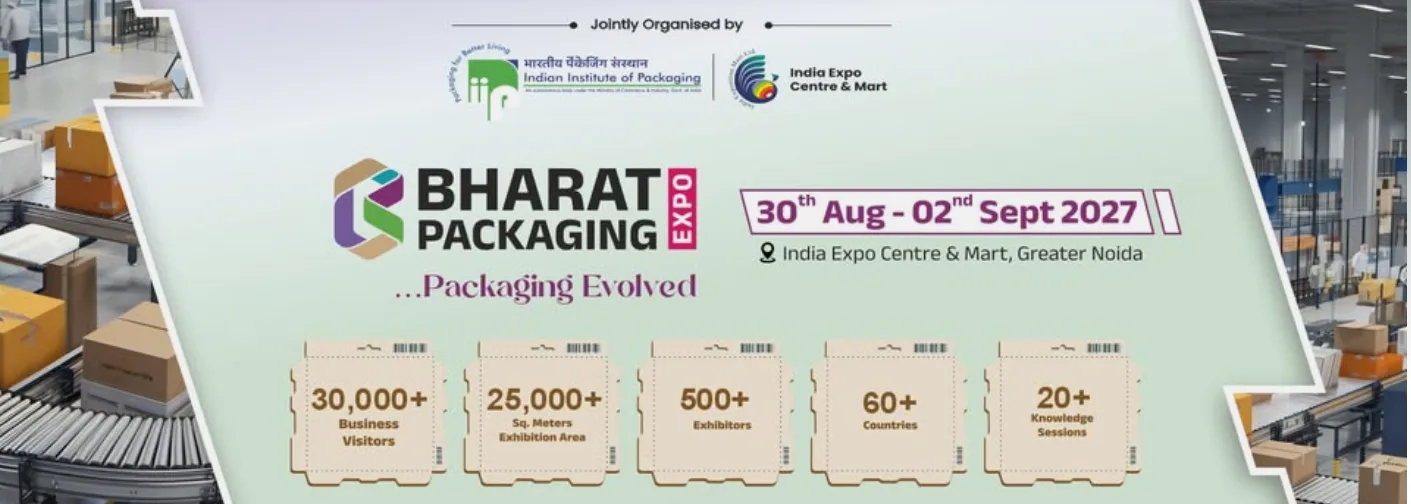
Events like the Bharat Packaging Expo bring pharmaceutical packaging into a broader packaging ecosystem, letting visitors compare cross-industry innovations while still accessing pharma-specific zones and expertise.
The Growing Importance of Sustainability in Pharma Packaging
Sustainability has moved from a "nice to have" to a genuine business priority in pharmaceutical packaging. Recyclable blister packs, reduced plastic in secondary packaging, and lighter-weight shipping materials are becoming common themes at exhibitions, reflecting pressure from both regulators and environmentally conscious buyers. Visitors increasingly expect to see these innovations demonstrated alongside traditional machinery and materials.
FAQs
Q1. What is a pharmaceutical packaging exhibition?
It's a trade event where pharmaceutical packaging machinery, materials, and technology providers showcase their products to manufacturers, buyers, and industry professionals.
Q2. Who typically exhibits at these events?
Exhibitors usually include packaging machinery manufacturers, material suppliers, serialization technology providers, and cold-chain solution companies.
Q3. Is attendance limited to large pharmaceutical companies?
No. Small and mid-sized manufacturers, contract packagers, and even export-focused startups regularly attend to source suppliers and stay updated on industry trends.
Q4. What should first-time visitors prioritize?
Focus on live machinery demonstrations and conference sessions relevant to your specific packaging challenges, whether that's compliance, sustainability, or automation.
Q5. How can I register to attend?
Most exhibitions offer visitor registration online in advance. You can check visitor registration details for specific event requirements and dates.
Conclusion
A pharmaceutical packaging exhibition offers far more than a chance to browse machinery — it's a working session for the entire industry, where regulatory challenges, sustainability goals, and technological innovation all intersect. For professionals responsible for packaging decisions, attending one of these events with a clear plan can translate directly into better sourcing decisions, stronger supplier relationships, and a sharper understanding of where the industry is headed.