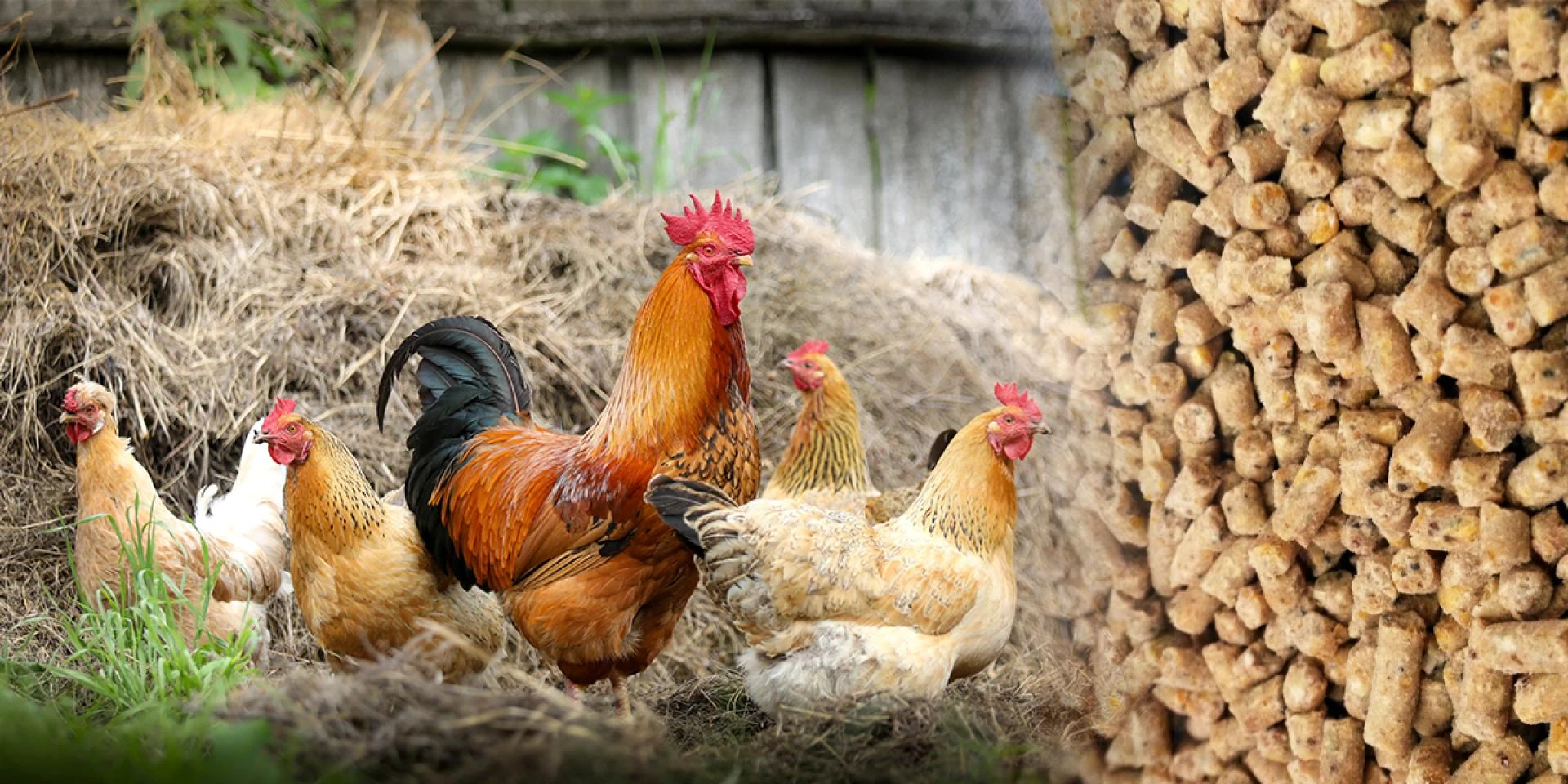
The livestock sector is one of the largest contributors to international food supply, supplying meat, milk, eggs, and other animal-based items that feed billions of people. As demand for livestock items continues to grow, farmers and agricultures are under raising pressure to enhance efficiency, decrease prices, and keep high-grade production. One of one of the most reliable solutions to these challenges is the animal feed mill plant. By making sure a consistent supply of nutritionally well balanced feed, these plants develop the foundation of contemporary livestock farming. In this short article, we will certainly explore what an animal feed mill plant is, just how it functions, its benefits, applications, and why it is ending up being a crucial financial investment in the farming market.
What Is a Pet Feed Mill Plant?
An animal pellet feed plant is a center developed to refine raw materials into compounded feed that satisfies the nutritional requirements of animals such as chicken, livestock, sheep, pigs, and fish. These plants can vary in size, from small units offering neighborhood farms to huge commercial complexes generating hundreds of tons of feed per month.
The core feature of the plant is to transform active ingredients like corn, soybean meal, wheat bran, rice husk, fishmeal, vitamins, and minerals into pellets or mash. This transformation enhances digestibility, storage space, and feed conversion effectiveness. A feed mill plant is not almost grinding and blending; it is a complete system developed to supply constant top quality, guarantee pet wellness, and ultimately improve farm productivity.
Why Pet Feed Matters
Livestock can not reach their complete potential without correct nutrition. Feed represents the biggest operational price in animal farming-- often representing 60-- 70% of total amount expenses. Poor-quality feed leads to slow growth, condition susceptibility, and lower returns, directly impacting farmer profitability.
This is where a pet feed mill plant makes a difference. It permits farmers and manufacturers to develop medically created feed that satisfies specific dietary demands, whether for broilers requiring rapid weight gain, dairy cows calling for high energy for milk production, or fish needing drifting pellets. By controlling feed high quality and make-up, farmers can optimize effectiveness and result. For more details about how feed production lines operate, you can check: https://richipelletizer.com/feed-pellet-line/
The Working Refine of a Pet Feed Mill Plant
The feed manufacturing process in a pet feed mill plant generally involves numerous phases:
Basic Material Crushing-- Large components like corn and grains are ground into great powder using a hammer mill or crusher. This raises area and boosts blending.
Mixing-- The powdered resources are thoroughly blended with vitamins, minerals, and additives to create a balanced formula. Accuracy in mixing makes certain each set supplies regular nourishment.
Conditioning and Extrusion-- Heat, vapor, and pressure are applied to the feed mixture. This action improves digestibility and gets rid of damaging microorganisms.
Pelletizing-- The conditioned material is pressed via a die to develop pellets of particular sizes. Pellet feed minimizes waste, improves intake, and enhances feed efficiency.
Air conditioning and Drying-- Fresh pellets are cooled and dried out to remove excess dampness, making sure resilience and lengthy shelf life.
Screening and Product packaging-- Finished pellets are evaluated to remove penalties and then loaded right into bags or bulk containers for storage space and transportation.
Each of these phases is supported by specific equipment developed for performance and precision. Together, they produce a structured procedure that produces safe, high-grade feed.
Advantages of an Animal Feed Mill Plant
Buying a feed mill plant offers a variety of benefits to farmers and agribusinesses:
Price Cost savings: Making feed internal minimizes dependence on pricey business feed, substantially decreasing functional expenses.
Nutritional Control: Farmers can tailor feed formulas to satisfy particular requirements for various animals, development phases, or seasonal needs.
Better Feed Conversion: Pellet feed reduces waste and improves digestibility, leading to faster weight gain and greater performance.
Consistency and Top quality: Automated processes make sure each set of feed is consistent in structure and nutrition.
Adaptability: Plants can generate various feed kinds, consisting of mash, pellets, or falls apart, for chicken, livestock, pigs, and aquaculture.
Market Opportunities: Beyond self-use, feed plants can sell to local farmers, producing a lucrative agribusiness. This versatility makes feed plants an indispensable resource for integrated farming systems and large agribusinesses, and you can explore more solutions in our animal feed processing plant section.
Applications Throughout Animals Markets
The animal feed mill plant serves multiple markets of the animals market:
Fowl Feed: Developed to boost growth price and egg manufacturing in griddles and layers.
Cattle Feed: Provides high power and protein material for dairy products cows and beef cattle.
Pig Feed: Balanced provisions ensure efficient weight gain and reproductive efficiency.
Aquafeed: Specialized extruders generate drifting or sinking pellets for fish and shrimp.
Lamb and Goat Feed: Customized pellets enhance digestibility and minimize feed wastefulness.
This flexibility makes feed plants an important source for incorporated farming systems and huge agricultures.
Global Market Growth
The worldwide demand for substance pet feed is growing rapidly. According to industry studies, the pet feed market is predicted to reach numerous billions of dollars in the coming years. This growth is fueled by increasing populaces, urbanization, and increased usage of meat, milk, and fish.
Nations such as China, India, Brazil, and Nigeria are experiencing massive fostering of feed mill plants to sustain broadening animals sectors. Even small-scale farmers are beginning to buy portable feed plants to enhance success and sustainability.
Considerations Before Establishing a Feed Mill Plant
While the advantages are clear, establishing a feed mill plant calls for mindful preparation. Secret factors to consider consist of:
Manufacturing Ability: Define whether the plant will serve a single farm, a participating, or a business market.
Basic Material Availability: Guarantee trustworthy accessibility to grains, healthy protein resources, and additives.
Modern technology and Automation: Greater levels of automation improve efficiency however need bigger in advance investment.
Power Source: Choose in between electricity, diesel, or different power choices based upon neighborhood framework.
Regulatory Compliance: Feed safety and quality standards must be fulfilled to go into commercial markets.
After-Sales Assistance: Trusted vendors need to provide installation, training, and extra parts.
Why Purchase a Pet Feed Mill Plant?
For farmers and entrepreneurs, investing in a feed mill plant is greater than simply cost-saving-- it is a lasting method for growth. It encourages producers to:
Control feed high quality and decrease risks of contamination.
Make certain constant pet performance.
Decrease dependency on external providers.
Expand income streams by marketing feed to bordering ranches.
In areas where business feed is expensive or undependable, owning a plant can significantly enhance farm sustainability and productivity.
Final thought
The animal feed mill plant is not just a commercial facility-- it is a cornerstone of modern-day livestock farming. By providing regular, nutritionally balanced feed at lowered expenses, it aids farmers fulfill expanding worldwide demand for animal products while staying competitive and sustainable.
As the livestock industry remains to increase, the role of feed mill plants will just end up being much more crucial. Whether you are a little farmer seeking to decrease expenses or an agriculture looking for to scale operations, investing in an animal feed mill plant is a clever and tactical choice for the future of farming. When considering investment, factors such as production scale, raw material access, and budget must be evaluated. For those focusing on cattle feed, we provide detailed insights here: cattle feed manufacturing plant cost.