
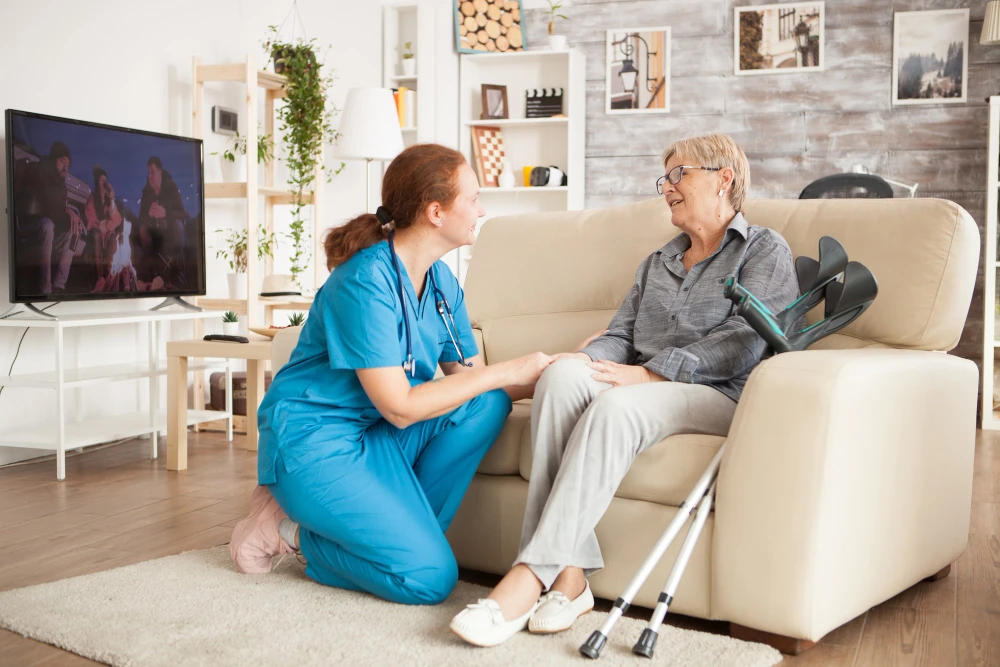
For many individuals, particularly the elderly or those living with long-term health conditions, the desire to age or recover in place within the comfort of their own home has never been stronger. The familiarity of one’s surroundings, the dignity of privacy, and the emotional connection to family and memories often make home the most healing environment. However, maintaining a safe and supported lifestyle at home isn’t always possible without consistent care.
This is where around-the-clock assistance comes into play. Continuous in-home support bridges the gap between independence and safety, enabling individuals to live full, dignified lives while receiving the care they need. This blog explores the growing importance of 24/7 support at home, the types of services offered, who benefits most, and what to consider when choosing the right care solution.
Why 24/7 Support at Home Is Becoming More Important
The demand for full-time care within a home environment is on the rise across the UK. Several factors contribute to this trend:
- Ageing Population: With people living longer, the prevalence of chronic conditions and mobility issues is increasing.
- Hospital Discharge Trends: The healthcare system is moving towards shorter hospital stays, with more patients recovering at home.
- Family Dynamics: Busy family lives or long distances often make it difficult for loved ones to provide round-the-clock care.
- Mental Health Needs: Individuals with cognitive impairments such as dementia benefit immensely from a stable, familiar environment.
Having continuous support at home addresses these needs with dignity, compassion, and flexibility qualities that traditional institutional care often cannot provide to the same extent.
What Does Full-Time In-Home Support Involve?
24/7 care at home typically means that a trained caregiver resides with the individual to provide support throughout the day and night. The responsibilities of such caregivers vary depending on individual needs but often include:
- Personal Care: Assisting with bathing, toileting, grooming, and mobility.
- Medication Management: Ensuring the correct dosages are taken at scheduled times.
- Meal Preparation: Cooking nutritious meals that align with dietary needs and preferences.
- Companionship: Offering emotional support and social interaction to combat loneliness.
- Household Tasks: Cleaning, laundry, and running errands to maintain a clean and safe home environment.
- Overnight Supervision: Responding to any emergencies or needs that arise during the night.
This approach offers peace of mind to families, knowing that their loved one is not alone and can receive immediate attention whenever necessary.
Who Can Benefit from Continuous Home Support?
While continuous care at home is often associated with ageing individuals, it serves a much broader range of people, including:
- Adults with Disabilities: Those with physical or intellectual disabilities can live more independently with ongoing support.
- Post-Surgical Patients: Individuals recovering from major surgeries or injuries may need temporary, round-the-clock assistance.
- Palliative Care Needs: Those in the final stages of life often prefer to remain at home, surrounded by loved ones.
- Mental Health Conditions: People with severe anxiety, depression, or cognitive decline can benefit from consistent support and structure.
In each case, the goal is to provide a safe, stable environment while empowering the individual to engage in meaningful daily routines.
The Advantages of Receiving Full-Time Support at Home
Choosing continuous support at home has numerous benefits that positively impact both the individual receiving care and their families:
1. Comfort and Familiarity
Being in one’s own home, surrounded by familiar sights, sounds, and personal belongings, often contributes to emotional well-being and stability.
2. Tailored Care
Unlike care homes with standardised routines, in-home carers can adjust their support to suit personal schedules, dietary needs, preferences, and cultural practices.
3. One-on-One Attention
With a dedicated caregiver, individuals receive focused and consistent support that enhances safety and builds trust.
4. Family Involvement
Loved ones can visit or stay involved in daily care without needing to navigate facility protocols or restrictions.
5. Maintaining Routines
A familiar routine supports cognitive health and helps reduce confusion or anxiety, especially for people with dementia.
6. Cost-Effective for Couples
For elderly couples who both require support, having care delivered at home can often be more affordable and less disruptive than moving to a facility.
Common Concerns and Misconceptions
Despite the many benefits, there are still some misconceptions surrounding full-time care at home:
- “It’s only for the elderly.”
- In reality, people of all ages benefit from consistent, personalised support.
- “It’s too intrusive.”
- A skilled and respectful carer will integrate care into daily life discreetly and professionally, maintaining privacy and dignity.
- “It’s too expensive.”
- When compared to residential care, especially for couples, this option can often be more financially viable over time.
- “I won’t have any independence.”
- The aim of home care is to promote independence—not take it away. Carers are trained to assist only when needed.
The Role of the Caregiver
A professional caregiver who resides with a client brings more than just physical assistance. They offer emotional support, build meaningful relationships, and provide a sense of safety. Trust and consistency are crucial both of which are easier to achieve when care is delivered in a personalised, one-on-one setting.
For example, carers trained in conditions such as Parkinson’s, multiple sclerosis, or dementia can introduce specific techniques and therapies to make daily life smoother for those they support. They are also often trained in de-escalation, first aid, and emergency protocols to handle unexpected situations with confidence.
Choosing the Right Provider
Selecting the right care provider is a significant decision that involves more than comparing costs. Families should look for:
- CQC-registered providers with positive inspection ratings
- Trained and vetted caregivers with DBS checks
- A person-centred care approach that respects individuality
- Transparent pricing and flexible service models
- Ongoing assessments and care reviews to adapt to changing needs
Many providers offer trial periods or flexible contracts, allowing individuals to test whether continuous in-home support is the right fit for them.
How One-on-One Support Enhances Life Quality
Imagine the story of Peter, a 78-year-old man recently discharged from hospital after a hip replacement. Living alone and still recovering, Peter faced challenges with mobility, meal preparation, and medication. Through live in home care, a trained carer moved in temporarily to assist with his rehabilitation.
The carer helped Peter with walking exercises, ensured he stayed on top of his prescriptions, and even coordinated with his physiotherapist. Beyond the physical support, Peter appreciated the conversations, games of chess, and shared meals. Within weeks, he regained his strength and confidence while continuing to live in the comfort of his home.
This story reflects just one of the many ways live in home care services help individuals maintain dignity and regain independence.
Conclusion
The landscape of care in the UK is changing. More individuals and families are recognising the benefits of continuous support at home where dignity, independence, and compassion come together. Whether it’s for short-term recovery or long-term support, having a dedicated caregiver at home offers a life-enhancing alternative to institutional care.