
If you have spent years chasing relief from chronic pain, you already know the frustration. You try physical therapy, medications, rest, and sometimes even surgery, yet the pain keeps coming back. For many people, the missing piece is not another muscle treatment at all. It is the nerves themselves. This is where perineural injection therapy enters the conversation as a gentle, targeted approach that many patients have never even heard of.
Perineural injection therapy focuses on calming irritated peripheral nerves just under the skin. Instead of masking pain or forcing muscles to loosen up, it works directly with the nervous system to reduce the signals that keep pain switched on. For people who feel like they have tried everything, this shift in approach can feel like finally finding the right key for a stubborn lock.
What Is Perineural Injection Therapy
Perineural injection therapy, often shortened to PIT injection therapy, involves injecting a mild solution, typically dextrose, just beneath the skin near irritated nerves. These nerves often become inflamed or hypersensitive after an injury, repetitive strain, or even long term stress on the body. When a nerve stays irritated, it sends ongoing pain signals even after the original injury has healed.
The goal of perineural injection therapy is simple. Calm the nerve, reduce the abnormal signaling, and allow the body to return to a more normal pain response. Many patients describe an almost immediate reduction in pain during their very first session, which is part of why this treatment has grown in popularity among people searching for lasting solutions rather than temporary fixes.
How Perineural Injection Therapy Works
To understand why perineural injection therapy is different, it helps to understand what happens to nerves after injury. A nerve that has been stretched, compressed, or inflamed can become oversensitive. This is sometimes called neurogenic inflammation. The nerve essentially gets stuck in an alarm state, firing pain signals even when there is no ongoing damage.
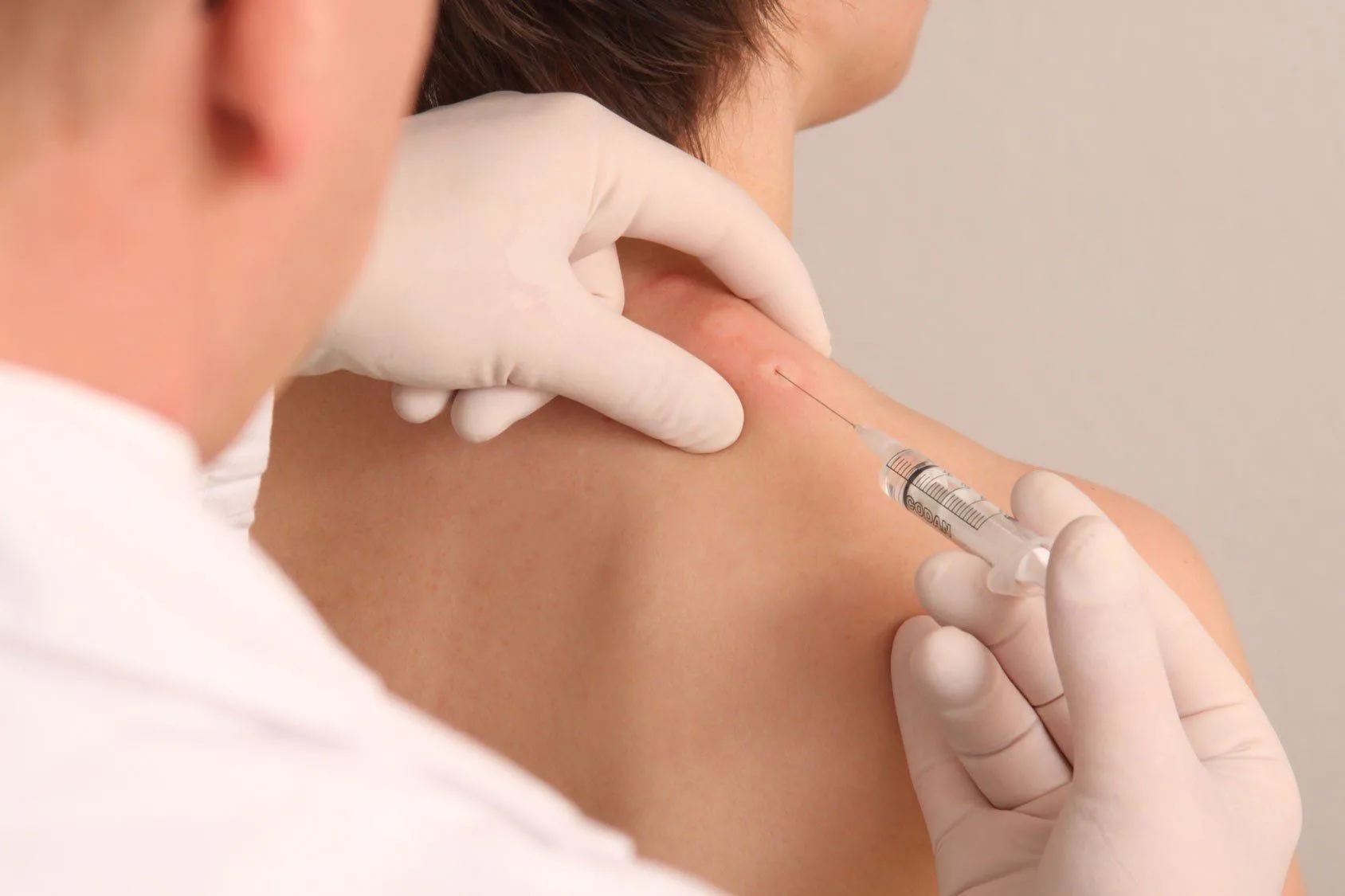
Neural therapy injection techniques, including perineural injection therapy, target this exact problem. A small needle delivers the solution just under the skin, close to the affected nerve. This is not a deep muscle injection. It is superficial, gentle, and generally well tolerated. The solution helps reduce the nerve irritation, which can lead to reduced pain, improved movement, and better overall function.
Because the treatment works with the nervous system rather than against it, many neural therapy providers see it as a valuable option for patients who have not responded well to more traditional treatments.
Who Can Benefit From Perineural Injection Therapy
Perineural injection therapy has been used to help with a wide range of pain conditions, including
Chronic back and neck pain
Old sports injuries that never fully resolved
Post surgical nerve pain
Headaches and migraines linked to nerve irritation
Joint pain that persists despite other treatments
Nerve related pain following accidents or repetitive strain
Because perineural injection therapy addresses the nervous system directly, it is often considered by patients who feel stuck. If you have already tried medications, physical therapy, or even injections that target muscles or joints without lasting results, this approach may offer a new path forward.
Why Perineural Injection Therapy Is Gaining Attention
Traditional pain treatments often focus on muscles, joints, or inflammation in a general sense. Perineural injection therapy takes a more precise route by focusing on the nerves that are actually driving the pain signal. This distinction matters because pain that originates from nerve irritation often does not respond well to standard treatments.
Another reason perineural injection therapy is gaining popularity is the speed of response many patients experience. While results vary from person to person, some notice a noticeable difference in pain levels within minutes of treatment. This immediate feedback allows both the patient and the provider to understand quickly whether the nerve based approach is addressing the true source of pain.
Finding qualified neural therapy providers is an important step, since technique and nerve mapping knowledge play a large role in how effective the treatment can be.
What To Expect During a PIT Injection Therapy Session
A typical PIT injection therapy session is quick and requires little to no downtime. Your provider will begin by identifying the areas where nerves may be irritated, often through gentle palpation and a discussion of your pain history. Once the areas are identified, a very fine needle is used to deliver small amounts of solution just under the skin.
Most people feel only mild discomfort, similar to a light pinch. Because the injections are shallow and precise, many patients are able to return to normal activities the same day. Results can vary, and some patients require a series of sessions to achieve longer lasting relief, especially if the nerve irritation has been present for a long time.
Is Perineural Injection Therapy Right for You
If your pain has been resistant to other treatments, or if it seems to shift, burn, tingle, or radiate in ways that suggest nerve involvement, perineural injection therapy may be worth exploring. It is especially helpful for people who want a treatment option that avoids heavy medications or invasive procedures.
As with any treatment, working with experienced neural therapy providers is essential. A thorough evaluation can help determine whether your pain pattern matches the type of nerve irritation that responds well to this approach.
Frequently Asked Questions
Is perineural injection therapy painful
Most patients describe the sensation as a light pinch or mild sting. Because the injections are shallow, discomfort is typically minimal and short lived.
How many sessions of PIT injection therapy are usually needed
This depends on how long the nerve irritation has been present. Some people notice improvement after one session, while others benefit from a series of treatments spaced a few weeks apart.
Are there side effects from perineural injection therapy
Side effects are generally mild and may include slight redness or tenderness at the injection site. Serious side effects are rare when the treatment is performed by trained neural therapy providers.
Can perineural injection therapy help with old injuries
Yes. Many patients seek out neural therapy injection treatments specifically because older injuries never fully resolved. Since nerve irritation can persist long after tissue has healed, addressing it directly often brings meaningful relief.
Final Thoughts
Chronic pain can feel like an endless puzzle, especially when standard treatments fall short. Perineural injection therapy offers a fresh perspective by targeting the nerves themselves rather than simply treating symptoms. For many patients, this missing piece leads to noticeable improvements in comfort, mobility, and quality of life.
If you are curious whether perineural injection therapy could help your specific pain pattern, reaching out to experienced neural therapy providers is a great first step toward finding lasting relief.