In recent times, the worldwide demand for pellets has grown rapidly, whether for renewable resource, animal feed, or natural fertilizer. More and more entrepreneurs and farmers are checking out the advantages of establishing a pellet line offer for sale that fulfills both neighborhood and worldwide market needs. A pellet line is not just a single device, yet a total manufacturing system designed to refine basic materials into uniform, high-grade pellets for various applications.
This post will certainly discover what a pellet line is, the different kinds offered, the raw products that can be used, the advantages of purchasing one, the expense considerations, and how to select the best pellet line for your company. pellet line production
What Is a Pellet Line?
A pellet line refers to a total set of tools that transforms basic materials right into pellets. The line generally consists of crushing, drying, mixing, pelletizing, cooling down, and product packaging procedures. Each area plays an essential role in guaranteeing that the last pellets correspond in dimension, form, and high quality.
Unlike standalone pellet makers, a full pellet line provides a totally automated remedy. This makes it appropriate for medium to massive procedures where constant output and performance are essential. When looking for a pellet line for sale, customers normally look for tools that can handle their specific basic materials and deliver the capability they need.
Applications of Pellet Lines
Pellet lines are versatile and can be applied across different industries:
Biomass Power: Wood pellets, sawdust pellets, rice husk pellets, and various other biomass gas are extensively made use of for heating, cooking, and commercial energy manufacturing.
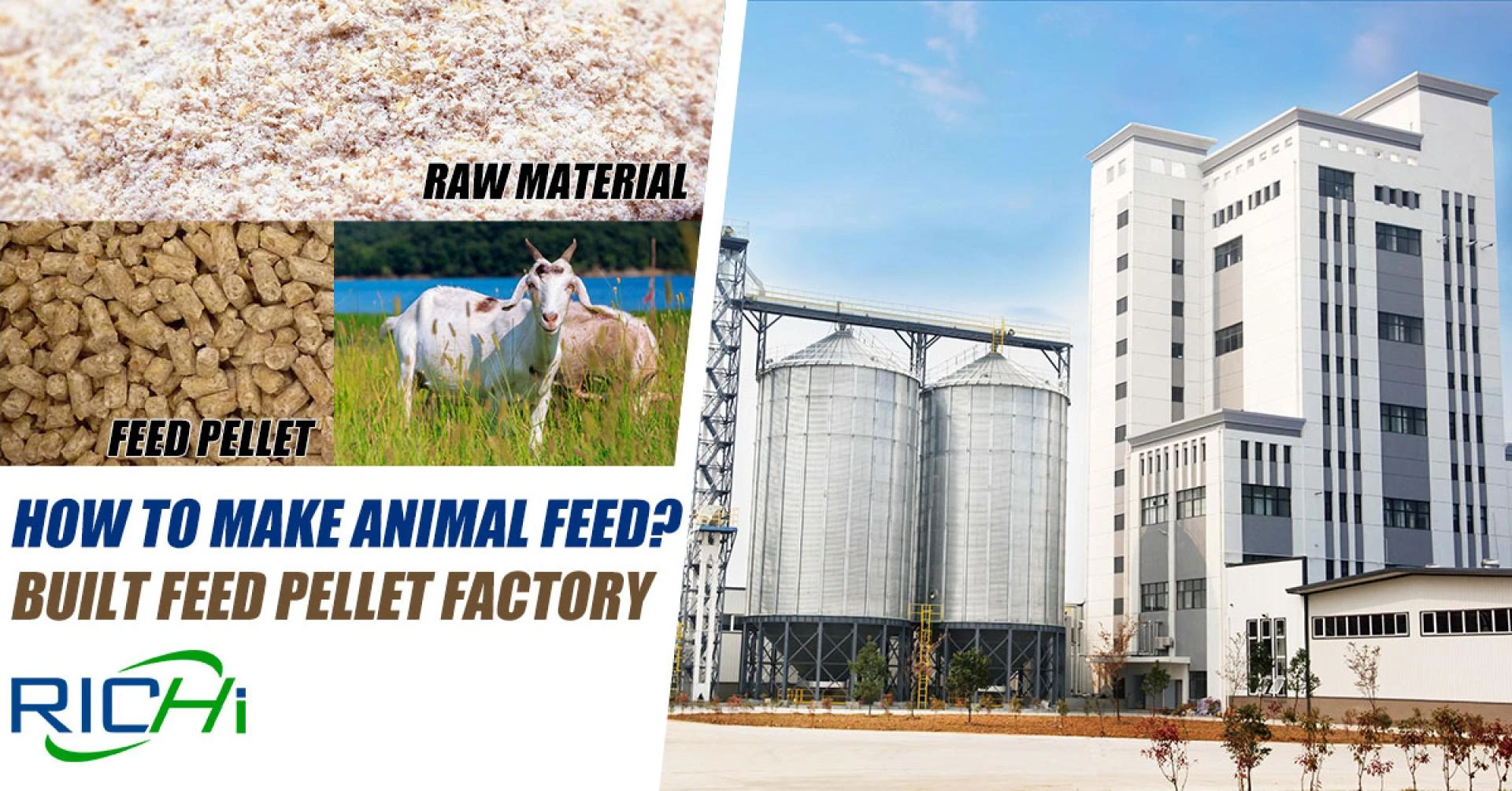
Animal Feed: Feed pellet lines are made to generate chicken feed, livestock feed, pig feed, fish feed, and other livestock nourishment pellets.
Organic Plant food: A pellet line can additionally refine natural waste, such as manure and garden compost, into high-value fertilizer pellets.
This adaptability makes pellet lines among one of the most sensible financial investments in today's expanding markets for renewable resource and sustainable agriculture. https://richipelletizer.com/feed-pellet-production-line/
Raw Materials for Pellet Manufacturing
One of the largest advantages of having a pellet line is the versatility of basic materials. Depending upon your market, you can make use of:
Wood and forestry residues: Sawdust, timber chips, bark, shavings, branches.
Agricultural deposits: Corn stalks, rice husks, wheat straw, peanut shells, hand fiber.
Pet waste: Fowl manure, cattle dung, pig manure, and various other organic waste.
Food and industrial waste: Sugarcane bagasse, brewery waste, food scraps.
By utilizing in your area available sources, small and big companies can substantially minimize manufacturing prices and enhance productivity.
Advantages of Investing in a Pellet Line
Economical Manufacturing
A pellet line changes low-value basic materials into high-value items. For instance, waste sawdust comes to be successful biomass pellets, or hen manure comes to be marketable plant food pellets.
Consistent Quality
Automated assembly line make certain uniform pellet dimension, density, and resilience. This is specifically important in feed production, where nourishment balance issues.
High Performance
Contrasted to standalone makers, a full pellet line operates constantly, minimizing downtime and optimizing output.
Market Development
Pellets have strong domestic and worldwide demand. A dependable pellet line available settings your company to tap into both neighborhood usage and export markets.
Ecological Benefits
Making use of farming and forestry residues reduces waste and advertises renewable energy development, straightening with international sustainability goals. you can try these out
Ability Alternatives for Pellet Lines
Pellet lines are offered in a wide variety of abilities:
Small-scale lines (0.5-- 2T/H): Ideal for farmers and local business producing feed or biomass gas for regional usage.
Medium-scale lines (2-- 10T/H): Appropriate for regional supply or medium-sized ventures.
Large lines (10-- 40T/H): Created for commercial jobs with high-volume need and export capacity.
When discovering a pellet line to buy, ability is among the first considerations because it directly impacts investment costs, energy usage, and success.
Cost Factors to consider
The rate of a pellet line depends on:
Capacity: Larger production lines set you back much more, but they likewise bring greater output.
Arrangement: Some lines consist of advanced automation, conditioning, or drying out systems.
Basic material: Special layouts might be required for certain products, such as high-moisture farming residues.
Area and logistics: Shipping and installation can include in the overall financial investment.
In general, tiny pellet lines might set you back tens of countless bucks, while large commercial pellet lines can reach into thousands of thousands. However, the roi is usually quick due to the high value of pellets in today's market.
Picking the Right Pellet Line
When examining a pellet line up for sale, consider the list below factors:
Raw Material Type: Ensure the line can manage your certain products effectively.
Ability Demands: Pick a system that matches your present demand however enables room for future development.
Power Consumption: Select tools that balances performance with sustainability.
Automation Level: Automated systems reduce labor costs and human mistake.
After-Sales Support: Reliable technical support, extra parts supply, and installation solutions are critical for long-term success.
Many trusted manufacturers, such as RICHI Equipment, offer adjustable pellet lines for both biomass and feed industries. They supply solutions from small farm usage to massive industrial production, assisting consumers adapt to different basic materials and market needs. pellet production line
Future of Pellet Production
The pellet industry remains to expand globally, driven by renewable energy targets, sustainable farming, and round economic situation methods. Federal governments and organizations alike are urging the change from fossil fuels to biomass power, and from chemical fertilizers to natural fertilizers.
With this growing demand, investing in a pellet line offer for sale today is not almost prompt earnings-- it's about positioning your business for long-lasting success in a sustainable sector.
Conclusion
A pellet line is greater than just machinery; it is a total remedy for transforming basic materials right into high-value items. Whether you are generating biomass pellets for fuel, animal feed pellets, or organic plant food pellets, a properly designed line makes sure performance, top quality, and success.
If you are looking for a pellet line offer for sale, concentrate on your resources, ability requirements, and long-lasting service objectives. With the ideal devices companion, you can turn waste into wide range, reinforce your market setting, and contribute to a greener future. Animal Feed Production Line in Zimbabwe