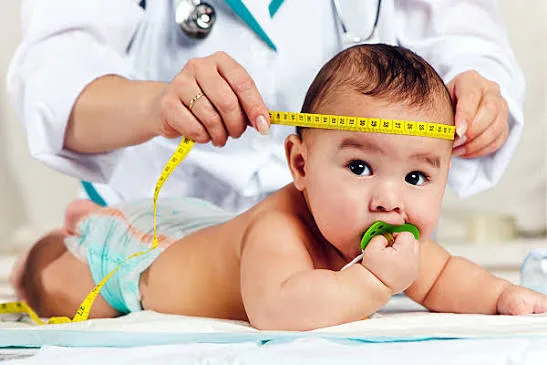
Children need specialised medical attention throughout their growing years to maintain good health and achieve important developmental milestones. From newborn care and childhood vaccinations to nutritional guidance and the treatment of common illnesses, paediatric healthcare supports different aspects of a child's well-being. Choosing a qualified Pediatrician Dubai Hills helps parents access professional medical guidance, regular health assessments, and appropriate treatment for their children's individual needs.
A paediatrician specialises in the health and development of infants, children, and adolescents. Since children's bodies and immune systems continue to develop, their healthcare requirements differ from those of adults. Regular consultations help identify potential health concerns, monitor physical growth, and provide preventive care at every stage of childhood.
Importance of Regular Paediatric Healthcare
Regular paediatric consultations are essential for maintaining children's overall health. Even when children appear healthy, routine medical assessments help monitor their growth, review vaccination schedules, and identify developmental concerns at an early stage.
A paediatrician evaluates the child's medical history, physical condition, nutritional habits, and developmental progress. These assessments provide an opportunity for parents to discuss concerns related to sleep, feeding, behaviour, immunity, and everyday health.
Choosing the right Pediatrician Dubai Hills also helps establish continuity of care. Having a consistent medical professional familiar with the child's health history can support accurate assessments and more informed treatment decisions.
Newborn and Infant Healthcare
The first year of life involves rapid physical and developmental changes. Newborns require regular medical assessments to monitor feeding, weight gain, sleeping patterns, and general health. Early consultations help parents understand normal infant development and recognise symptoms that may require medical attention.
Common newborn concerns include jaundice, feeding difficulties, digestive discomfort, skin conditions, and respiratory infections. Paediatric care also includes guidance on breastfeeding, formula feeding when appropriate, safe sleeping practices, and age-appropriate nutrition.
Routine infant check-ups help monitor developmental milestones such as head control, rolling, sitting, crawling, and responding to sounds. Early identification of unusual developmental patterns allows families to seek further evaluation when necessary.
Childhood Vaccinations and Preventive Care
Vaccination is an important part of childhood preventive healthcare. Immunisations help protect children against several infectious diseases and reduce the risk of serious complications. Following the recommended vaccination schedule supports the development of immunity during important stages of growth.
Paediatric consultations provide parents with information about routine immunisations, booster doses, and additional vaccines based on age, medical history, and current recommendations.
Preventive healthcare also includes advice about hand hygiene, healthy eating, physical activity, dental hygiene, adequate sleep, and infection prevention. Developing these habits early can contribute to better long-term health.
Monitoring Growth and Development
Children develop at different rates, making regular growth monitoring an important aspect of paediatric care. During consultations, healthcare professionals assess height, weight, and other age-appropriate developmental indicators.
Developmental assessments may also focus on speech, language, movement, coordination, social interaction, and learning abilities. Concerns such as delayed speech, difficulty walking, poor coordination, or changes in behaviour may require additional evaluation.
Early identification of developmental differences helps parents access suitable interventions, including speech therapy, occupational therapy, physiotherapy, or specialist assessments when needed.
Diagnosis and Treatment of Common Childhood Illnesses
Children may experience various illnesses as their immune systems develop. Common conditions include fever, coughs, colds, sore throats, ear infections, stomach infections, vomiting, diarrhoea, and skin rashes.
A paediatrician evaluates symptoms, examines the child, and considers their medical history before recommending treatment. Appropriate diagnosis is important because symptoms that appear similar may have different underlying causes.
Parents should seek medical attention for persistent fever, dehydration, worsening symptoms, or unusual changes in a child's behaviour. Severe breathing difficulties, seizures, and reduced responsiveness require immediate emergency medical care.
Nutrition and Healthy Lifestyle Guidance
Balanced nutrition supports children's physical growth, brain development, immunity, and energy requirements. Their nutritional needs change with age, activity levels, and developmental stages.
Paediatric consultations can help parents address concerns involving poor appetite, feeding difficulties, food allergies, excessive weight gain, and inadequate weight gain. Guidance may include balanced meal planning, suitable food choices, hydration, and healthy eating habits.
Physical activity and sufficient sleep are equally important. Encouraging outdoor play, age-appropriate exercise, consistent bedtime routines, and limited recreational screen time can support children's physical and emotional well-being.
Managing Allergies and Childhood Health Conditions
Some children experience recurring or long-term health concerns that require regular monitoring. Common examples include asthma, eczema, allergic reactions, digestive difficulties, and recurring respiratory infections.
A paediatrician evaluates symptoms, identifies possible triggers, and recommends appropriate treatment or further investigations. Depending on the condition, management may involve medication, lifestyle adjustments, preventive strategies, or referral to a specialist.
Parents should provide information about recurring symptoms, previous treatments, family medical history, and possible environmental triggers. This information helps healthcare professionals develop more suitable care plans.
Choosing the Right Pediatrician Dubai Hills
Selecting a suitable paediatrician involves considering medical qualifications, clinical experience, communication skills, and the ability to provide age-appropriate healthcare. A child-friendly approach can help children feel more comfortable during medical examinations and consultations.
Parents should also consider whether the healthcare service provides comprehensive preventive care, developmental monitoring, vaccination guidance, and appropriate referrals when specialised treatment is required.
A good paediatric healthcare experience involves clear communication, careful assessment, and individualised medical guidance. These factors help parents feel confident about managing their children's health needs.
Conclusion
Children require consistent medical attention to support healthy growth, development, and overall well-being. From newborn assessments and vaccinations to nutritional advice and childhood illness management, paediatric healthcare plays an important role at every stage of childhood. Choosing a qualified Pediatrician Dubai Hills helps parents access professional medical guidance, early diagnosis, and preventive healthcare. Regular check-ups and healthy daily habits provide a strong foundation for children's long-term health and development.