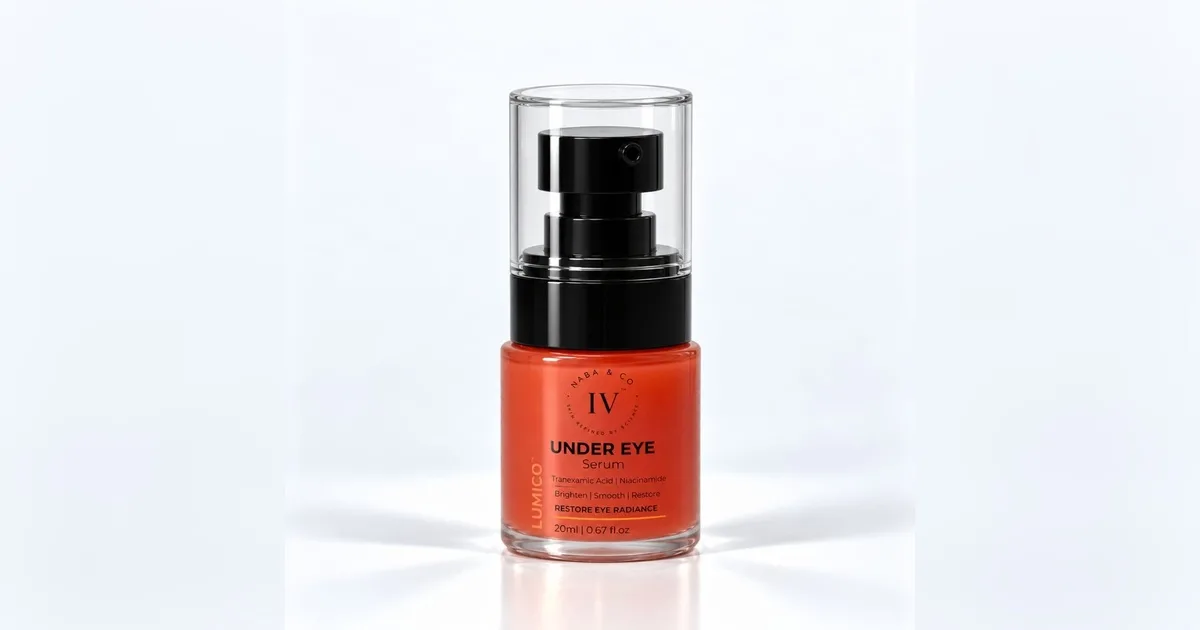
The skin around the eyes often reveals changes in skin quality earlier than other facial areas. Fine lines, uneven pigmentation, dullness and a tired appearance can gradually develop as the skin's underlying structure changes. Although these concerns are commonly associated with ageing, their development involves several biological processes, including collagen breakdown, oxidative stress, reduced hydration and changes in melanin distribution. Understanding how these processes interact is essential for maintaining a healthier-looking eye area and addressing the factors responsible for visible skin changes.
Understanding Collagen Degradation Around the Eyes
Collagen is one of the primary structural proteins in the skin. It forms a supportive network within the dermis, helping maintain firmness, elasticity and resistance to mechanical stress. The delicate eye area contains thinner skin and less supportive tissue than many other facial regions, making structural changes more noticeable.
Why Collagen Loss Becomes Visible Earlier
As the skin ages, collagen production gradually declines while the activity of enzymes called matrix metalloproteinases increases. These enzymes help break down damaged collagen, but excessive activity can accelerate the loss of structural support.
Repeated facial movements, environmental exposure and ultraviolet radiation can further influence collagen degradation. As the dermal support network weakens, the skin may become less resilient, allowing fine lines to appear more prominent.
A well-formulated under eye serum for dark circles and fine lines may help improve the appearance of the skin through hydration, antioxidant support and ingredients that address uneven pigmentation. However, topical skincare cannot fully replace collagen that has already been lost.
The Connection Between Collagen Breakdown and Pigmentation
Collagen degradation does not directly produce melanin, the pigment responsible for skin colour. However, changes in the skin's structure can influence how pigmentation and discolouration appear around the eyes.
How Structural Changes Affect Skin Brightness
When collagen density decreases, the skin may become thinner and less uniform. This can make underlying blood vessels more visible, contributing to a bluish or purplish appearance. In other cases, brown pigmentation may result from increased melanin production, genetic factors or inflammation.
Oxidative stress also plays an important role. Reactive oxygen species generated by UV exposure and environmental pollutants can damage cellular structures and stimulate inflammatory pathways. These processes may influence melanocyte activity, potentially contributing to uneven pigmentation and dullness.
This explains why dark circles are not always caused by a single pigment-related problem. Their appearance may involve a combination of melanin accumulation, visible blood vessels, shadows and changes in skin thickness.
Ingredients That Support Skin Quality and Even Tone
Addressing the delicate eye area requires ingredients that support hydration, help reduce oxidative stress and target pigmentation without unnecessarily irritating the skin.
Niacinamide and Tranexamic Acid for Uneven Pigmentation
Niacinamide, a form of vitamin B3, supports the skin barrier by helping maintain ceramide levels. It can also reduce the transfer of melanosomes from melanocytes to surrounding skin cells, helping improve the appearance of uneven pigmentation over time.
Tranexamic acid is another ingredient commonly used in pigmentation-focused skincare. It may help reduce pathways involved in inflammation-related pigment production and is particularly relevant when discolouration is associated with persistent pigmentation.
An under eye serum for dark circles and fine lines containing these ingredients may gradually improve the appearance of brownish discolouration while supporting a more uniform skin tone. Results depend on the underlying cause, formulation and consistency of use.
Squalane and Astaxanthin for Hydration and Antioxidant Support
Squalane is a lightweight emollient that helps soften the skin and reduce moisture loss. Because the eye area has a relatively delicate barrier, maintaining hydration can make fine lines caused by dryness appear less noticeable.
Astaxanthin is a carotenoid with antioxidant properties. Antioxidants help neutralise reactive oxygen species, which can contribute to oxidative damage and premature skin ageing.
Although these ingredients cannot reverse established collagen loss, they can support skin comfort, improve surface smoothness and help protect against factors that contribute to visible ageing.
Preventing Further Damage to the Eye Area
Prevention is an important part of maintaining skin quality because collagen degradation and pigmentation changes often develop gradually through repeated environmental exposure.
Sun Protection and Gentle Skincare Habits
Ultraviolet radiation is one of the major external factors associated with collagen breakdown. UVA rays can penetrate the skin and contribute to the formation of reactive oxygen species, which damage collagen fibres and accelerate visible ageing.
Daily broad-spectrum sunscreen, appropriate sunglasses and avoiding excessive sun exposure can help reduce further damage. Gentle cleansing and avoiding unnecessary rubbing are equally important, particularly because friction may aggravate inflammation and pigmentation.
An under eye serum for dark circles and fine lines should complement these protective habits rather than replace them. Consistent hydration, barrier support and sun protection create a more favourable environment for maintaining skin health.
What Realistic Improvement Looks Like
The appearance of the eye area depends on several factors, including genetics, skin thickness, pigmentation, facial anatomy and age. Consequently, no single topical ingredient can address every type of dark circle or fine line.
Supporting Skin Without Overpromising Results
Skincare can improve hydration, soften the appearance of fine lines, support the skin barrier and gradually reduce certain forms of pigmentation. However, structural hollows, prominent blood vessels and significant collagen loss may require professional assessment if they remain a concern.
A carefully selected under eye serum for dark circles and fine lines can be part of a consistent routine when its ingredients match the skin's needs. The most meaningful approach is to understand the underlying cause, protect the skin from further damage and allow time for gradual improvement.
Maintaining the delicate eye area is not simply about making the skin look brighter. It involves preserving its structural integrity, supporting its protective barrier and reducing the biological processes that contribute to premature ageing.